
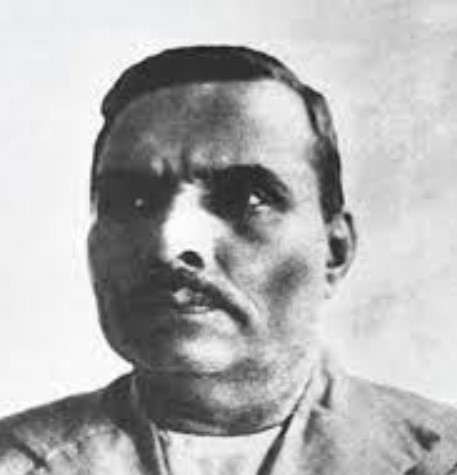
 Featured Biography
Image source: StarsUnfolded
Celebrities
Ganesh Damodar Savarkar Biography: Age, Career, Family and More
Quick Info
Date of birth13 June 1879
Age65 (at time of death)
BirthplaceBhagur, Bombay Presidency, British India (present-day Maharashtra, India)
ProfessionFreedom Fighter, Social Activist, Author
NationalityBritish Indian
Marital statusMarried (at time of death)
SpouseYesubai/Yashoda Savarkar
FamilyFather - Damodarpant Savarkar; Mother - Radhabai Savarkar; Brothers - Vinayak Damodar Savarkar, Narayanrao Savarkar; Sister - Mainabai; Two children (died in infancy)
Ganesh Damodar Savarkar Biography
Ganesh Damodar Savarkar, popularly known as Babarao, was an Indian freedom fighter, social activist and writer. Born in Bhagur in 1879, he co-founded Abhin
Early life and backgroundGanesh Damodar Savarkar was born on 13 June 1879 in Bhagur, then part of the Bombay Presidency in British India (present-day Maharashtra). He was the eldest of several siblings in the Savarkar family and took on family responsibilities early: his mother died when he was about thirteen and his father later succumbed during a plague epidemic. His formal education included study of Marathi texts followed by higher studies in English in Nashik. He developed interests in religious and classical Indian literature and trained in yoga, reportedly practising many hours a day.
Career
Ganesh Savarkar emerged as a prominent nationalist and activist in the struggle against British rule. He and his younger brother Vinayak Damodar Savarkar co-founded the Abhinav Bharat Society in 1904. He became associated with revolutionary work that aimed at armed resistance to colonial authority, and his activities earned him severe punishment from the British, including transportation to the Cellular Jail in the Andamans.
During his years of activism he was linked with the Nasik Conspiracy Case of 1909, which the Bombay High Court identified as involving the three Savarkar brothers as central figures. While imprisoned, Ganesh Savarkar suffered harsh treatment and illness; by the end of 1919 he had developed tuberculosis, and medical care was denied by the colonial authorities. In 1921 public pressure and appeals led to the transfer of the Savarkar brothers back to mainland India. Ganesh was held in Alipore and later Sabarmati jail, and he was released in September 1922 after roughly thirteen years of imprisonment.
After his release he continued to work for organisations and movements that promoted a Hindu nationalist outlook. He joined Tarun Hindu Sabha in 1923 and spent several years travelling across India to spread the organisation’s ideas. He also played a role in shaping organisational pledges and structures: he drafted pledges for Abhinav Bharat and Tarun Hindu Sabha and is credited with drafting the pledge used by the early Rashtriya Swayamsevak Sangh (RSS). He handed responsibility for the Nagpur unit of Tarun Hindu Sabha to Dr. Keshav Baliram Hedgewar, who later founded the RSS. In 1932 Ganesh Savarkar decided to dissolve Tarun Hindu Sabha into the RSS and worked with Hedgewar on efforts to expand the Sangh’s network in Maharashtra.
Writings and beliefs
Ganesh Savarkar wrote in Marathi and published works that set out his views on nationhood and Hindu identity. His writings include Rashtramimansa va Hindusthanche Rashtraswaroop and Hindu Rashtra – Poorvi, aataa, aani pudhe (Hindu Rashtra: past, present and future). He also published a work titled Christ Parichay in which he argued controversial views about the origins of Christianity. His essay Rashtra Mimansa influenced later nationalist thinkers and was summarised by M. S. Golwalkar in We, and our Nationhood, Defined (1938).
He contributed articles to several periodicals of the time, including Kesari, Lokamanya, Maharashtra, Sakaal, Aadesh and Vande Mataram. His public positions rejected reconciliationist approaches to independence and favoured a more militant path if deemed necessary.
Public profile
Known by the nicknames Babarao and Haritambhara, Ganesh Savarkar was also described as religiously devout, with an interest in Ayurveda, astrology, Vedanta and yoga. His activism and ideas brought him into contact with a range of contemporaries: some sources list him among the early associates involved in the foundation of the RSS alongside Hedgewar and others, and Hedgewar consulted him on organisational matters.
Prison conditions and health
While incarcerated in the Cellular Jail, Ganesh Savarkar and fellow prisoners protested against the poor quality of food. The long period of imprisonment and maltreatment took a heavy toll on his health; he developed serious illness and remained affected by the consequences of his detention even after returning to the mainland.
Personal life
He married in 1896. Reports indicate that his wife and two children predeceased him; his children died in infancy and his wife passed away while he was imprisoned in the Andamans. He died on 16 March 1945 in Sangli, in the Bombay Presidency, at the age of 65 following a prolonged illness.
Legacy and later context
A statue of Ganesh Savarkar was erected by his brother Vinayak after his death. The Abhinav Bharat Society he helped found was disbanded by Vinayak in 1952. Debates over the roles of various nationalist actors continued after Ganesh Savarkar’s death, and some organisations he was associated with underwent scrutiny and legal action in the years following India’s independence.
Latest updates
Ganesh Damodar Savarkar passed away in 1945. His writings, organisational work and role in revolutionary networks remain part of the historical record of India’s independence movement, and his name is linked in historical accounts with the early development of Hindu nationalist organisations and militant strands of the anti-colonial movement.
Editorial Review and Sources
This F4U profile is written from publicly available career and profile information, then reviewed for clarity before publication. If you spot an outdated detail about Ganesh Damodar Savarkar, send the page URL and a reliable correction source to f4udotin@gmail.com.
Reference context: StarsUnfoldedAccuracy
Request a Correction
Tell us what needs to be updated and share a reliable source so the editorial team can review it.
Ownership
Claim This Profile
If this profile is about you or your client, send your contact details and verification context.
Recent Work
An early Marathi work on nationhood and the shape of the Indian nation.
A book discussing the past, present and future of the concept of a Hindu nation.
A controversial publication in which Savarkar argued that Christ was Hindu by birth.
Career Highlights
- Co-founded the Abhinav Bharat Society (1904)
- Transported to Cellular Jail in the Andamans for revolutionary activities
- Imprisoned in relation to the Nasik Conspiracy Case (1909)
- Drafted pledges for Abhinav Bharat, Tarun Hindu Sabha and early RSS
- Joined Tarun Hindu Sabha and later merged it into the RSS
People Also Search For
Frequently Asked Questions
When was Ganesh Damodar Savarkar born?
Ganesh Damodar Savarkar was born on 13 June 1879.
What is Ganesh Damodar Savarkar known for?
Ganesh Damodar Savarkar is known for freedom Fighter, Social Activist, Author.
What is Ganesh Damodar Savarkar’s marital status?
Ganesh Damodar Savarkar's marital status is listed as Married (at time of death).
Who is Ganesh Damodar Savarkar married to?
Ganesh Damodar Savarkar is publicly listed as married to Yesubai/Yashoda Savarkar.
Related Biographies
View all →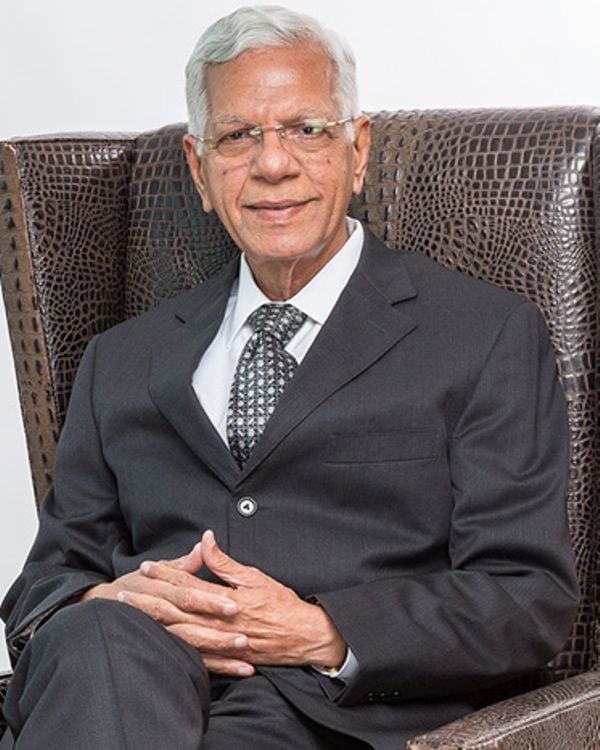 Celebrities
☑️Chandru Raheja
Chandru Lachmandas Raheja is an Indian businessman known for leading K. Raheja Corporation and for his long career in real estate, retail and hospitality.ト
Updated 2026-10-04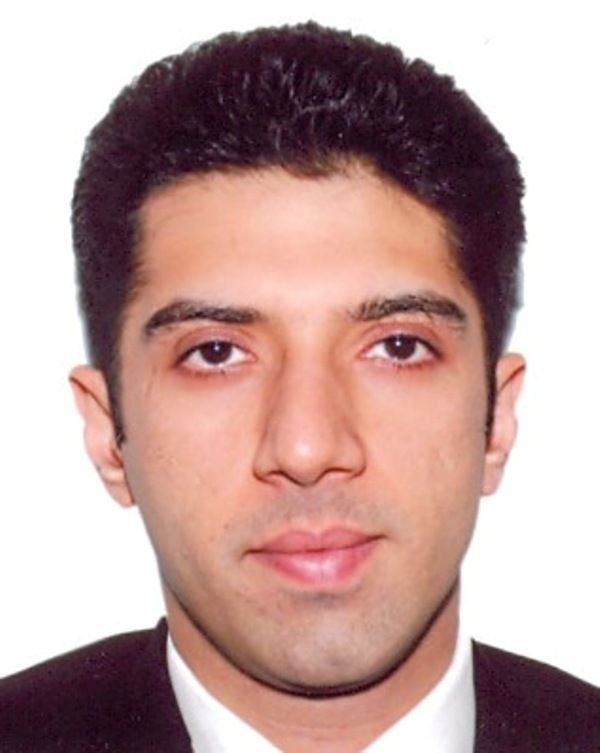 Celebrities
✅Neel Raheja
Neel Chandru Raheja is an Indian businessman who serves as Group President of K Raheja Corp. Born in Mumbai in 1974, he has guided the family's expansion—b
Updated 2026-10-04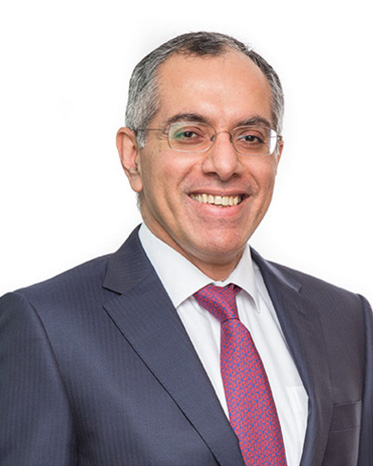 Celebrities
✅Ravi Raheja
Ravi Chandru Raheja is an Indian businessman known for his leadership role at K. Raheja Corporation. Born and raised in Mumbai, he holds degrees from the H
Updated 2026-10-04 Celebrities
6 Girlfriends Of Salman Khan
A look at six women who have been linked to Bollywood star Salman Khan over the years, from early romances to high-profile relationships that captured wide
Updated 2026-10-04