
 Featured Biography
Image source: StarsUnfolded
Celebrities
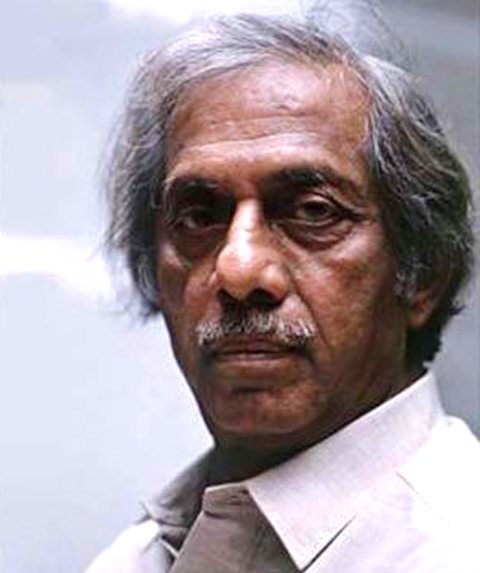
Haji Mastan (Gangster) Biography: Age, Career, Family and More
Quick Info
Date of birth1 March 1926
Age68 (at death)
BirthplacePanaikulam, Ramanathapuram District, Madras Presidency (now Tamil Nadu), British India
ProfessionGangster, Filmmaker, Politician
NationalityIndian
Marital statusMarried
SpouseShahjehan Begum; Sona (film actress)
FamilyFather - Haider Mirza; Adopted son - Sundar Shaekhar; Daughter - Shamshad Supariwala
Haji Mastan (Gangster) Biography
Haji Mastan, born Mastan Haider Mirza, rose from humble beginnings in Tamil Nadu to become a prominent figure in Mumbai's mid-20th century underworld. A sm
Early life and backgroundMastan Haider Mirza was born on 1 March 1926 in Panaikulam in the Ramanathapuram district of what was then the Madras Presidency. He moved with his father to Bombay in 1934 at the age of eight. Childhood poverty shaped his early years, and he began working in a small cycle repair shop on Charni Road alongside his father to help the family.
As a young man he admired the wealth he saw around him — large bungalows and luxury cars — and resolved to change his circumstances. He did not attend formal school or college and had no recorded educational qualifications.
Career
In his early twenties Mastan became involved in smuggling. He first worked with an associate who needed help moving gold out of the docks, and later partnered with a smuggler who transported goods between the Gulf and ports on India’s west coast. Those activities brought him financial success and allowed him to purchase a sea-facing bungalow on Peddar Road in Bombay, though he reportedly spent much of his life in a small room on the terrace of that property.
Mastan expanded beyond smuggling into several legitimate and semi-legitimate enterprises. He financed films and later became a filmmaker himself, and he developed interests in electronic goods and real estate, owning shops in the Manish Market area on Mohammad Ali Road. His connections in the film business brought him friendships with prominent actors of the era.
Although often described as a dominant figure in Mumbai’s illicit trade from the 1960s through the mid-1970s, Mastan did not run a conventional gang. His reputation and relationships with fellow leaders allowed him to operate through influence rather than open violence. Faced with intense inter-gang rivalry in the city, he is said to have convened a meeting of top leaders at his home to negotiate a division of territories so each group could operate without direct conflict.
He spent most of his life avoiding courtroom conviction; the notable exception came during the period of the Indian Emergency (1975–1977), when he was imprisoned. While incarcerated he encountered political activists and began studying Hindi. After his release he performed the Muslim pilgrimage to Haj and thereafter became widely known as Haji Mastan.
Public profile
Mastan cultivated a public persona that blended underworld influence, business interests, and civic engagement. His film industry ties made him a familiar figure in Bollywood circles, and he developed friendships with names such as Raj Kapoor, Dilip Kumar, Dharmendra and others. Popular cinema later drew on aspects of his life for fictional portrayals: a 1975 blockbuster featured a character inspired by him, and a 2010 film again revisited episodes from Mumbai’s organized crime history with a portrayal linked to Mastan.
In the 1980s he moved into more overt political and social activity. He became a Muslim community leader in 1984 and in 1985 formed an organization called Dalit Muslim Surakhsha Maha Sangh, which was later renamed Bharatiya Minorities Suraksha Mahasangh. He also devoted time to helping the poor and handling complaints at his residence, where many came seeking assistance.
Personal life
Mastan practised Islam and identified as Tamil Muslim. He was married; his spouse list includes Shahjehan Begum and later the actress Sona, who is described as a lookalike of the actress he admired. He had no biological son and adopted Sundar Shaekhar, whom he sometimes called Suleman Mirza. He also had a daughter named Shamshad Supariwala. Mastan was known to smoke and to have a fondness for Mercedes-Benz cars, frequently using a Mercedes-Benz 200D.
He is remembered for a nonviolent personal style: accounts note he never fired a gun or engaged in physical brawls despite his prominence in smuggling circles.
Death
Haji Mastan died on 9 May 1994 in Bombay (now Mumbai) at the age of 68. The recorded cause of death was cardiac arrest.
Latest updates
Haji Mastan’s life continues to be a point of reference in popular culture and film. Stories about his role in Mumbai’s underworld, his film industry connections, and his later community leadership remain part of his public legacy.
Editorial Review and Sources
This F4U profile is written from publicly available career and profile information, then reviewed for clarity before publication. If you spot an outdated detail about Haji Mastan (Gangster), send the page URL and a reliable correction source to f4udotin@gmail.com.
Reference context: StarsUnfoldedAccuracy
Request a Correction
Tell us what needs to be updated and share a reliable source so the editorial team can review it.
Ownership
Claim This Profile
If this profile is about you or your client, send your contact details and verification context.
Recent Work
The 1975 blockbuster featured a character loosely inspired by Haji Mastan, portrayed on screen by a leading actor of the era.
1975The 2010 film included a portrayal based on aspects of Mastan's life.
2010Career Highlights
- Rose from childhood poverty after moving to Bombay at age eight
- Built wealth through smuggling and business interests in electronics, real estate, and film financing
- Financed and entered the film industry; cultivated friendships with prominent Bollywood figures
- Called and facilitated agreements among Mumbai gang leaders to reduce open rivalry
- Formed Dalit Muslim Surakhsha Maha Sangh (later Bharatiya Minorities Suraksha Mahasangh) and engaged in community work
People Also Search For
Frequently Asked Questions
When was Haji Mastan (Gangster) born?
Haji Mastan (Gangster) was born on 1 March 1926.
What is Haji Mastan (Gangster) known for?
Haji Mastan (Gangster) is known for gangster, Filmmaker, Politician.
What is Haji Mastan (Gangster)’s marital status?
Haji Mastan (Gangster)'s marital status is listed as Married.
Who is Haji Mastan (Gangster) married to?
Haji Mastan (Gangster) is publicly listed as married to Shahjehan Begum; Sona (film actress).
Related Biographies
View all →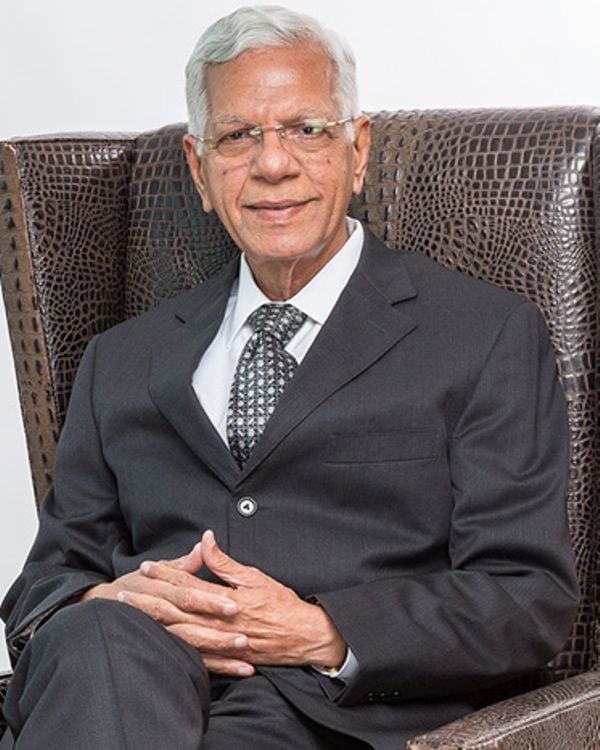 Celebrities
☑️Chandru Raheja
Chandru Lachmandas Raheja is an Indian businessman known for leading K. Raheja Corporation and for his long career in real estate, retail and hospitality.ト
Updated 2026-10-04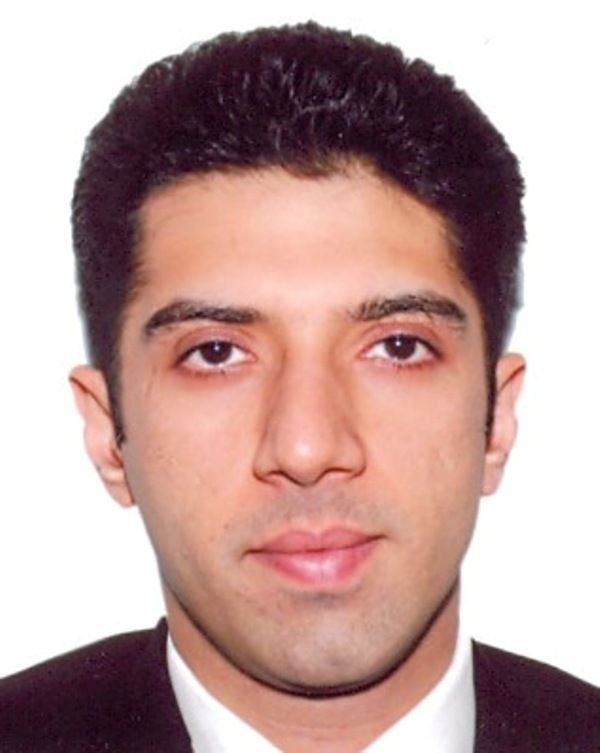 Celebrities
✅Neel Raheja
Neel Chandru Raheja is an Indian businessman who serves as Group President of K Raheja Corp. Born in Mumbai in 1974, he has guided the family's expansion—b
Updated 2026-10-04 Celebrities
✅Ravi Raheja
Ravi Chandru Raheja is an Indian businessman known for his leadership role at K. Raheja Corporation. Born and raised in Mumbai, he holds degrees from the H
Updated 2026-10-04 Celebrities
6 Girlfriends Of Salman Khan
A look at six women who have been linked to Bollywood star Salman Khan over the years, from early romances to high-profile relationships that captured wide
Updated 2026-10-04