
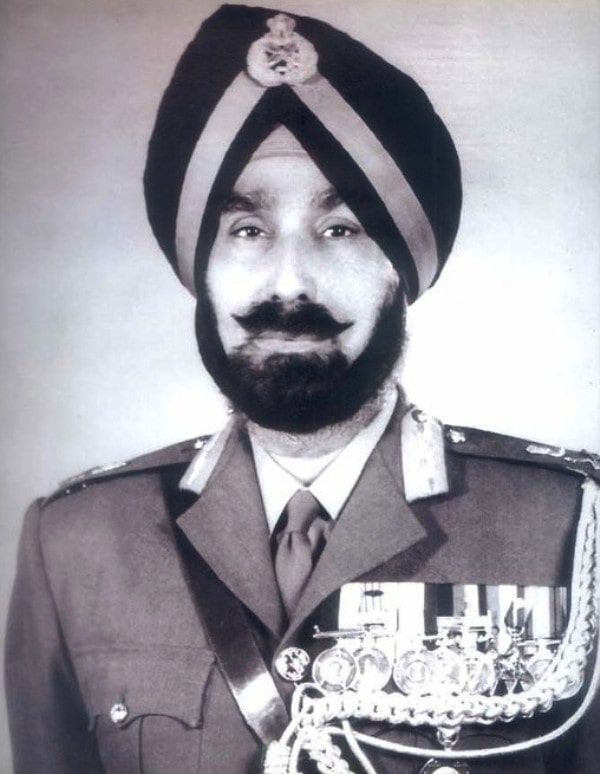
 Featured Biography
Image source: StarsUnfolded
Quick Info
Date of birth1 October 1913
Age86 (at death)
BirthplaceBadrukhan village, Sangrur, Jind State, British India
ProfessionRetired Indian Army officer
NationalityBritish Indian (1913-1947); Indian (1947-1999)
Marital statusMarried (at time of death)
SpouseSanam Harbaksh Singh
FamilyDaughter - Harmala Kaur Gupta; Father - Harnam Singh; Brother - Lieutenant Colonel Gurbaksh Singh
Harbaksh Singh Biography
Lieutenant General Harbaksh Singh was a senior Indian Army officer best known for commanding the Western Command during the 1965 India–Pakistan War. His 34
Early life and backgroundHarbaksh Singh was born on 1 October 1913 in Badrukhan village in Sangrur, then part of Jind State in British India (present-day Haryana). He completed his schooling at Ranbir High School, Sangrur, and later graduated from Government College, Lahore. From a Punjabi Sikh family, he was the youngest of seven children. His father, Harnam Singh, served as a doctor and had earlier been in the British Indian Army.
After finishing his formal education, Harbaksh Singh passed the Indian Military Academy entrance examination and joined the first batch of officers trained at the IMA. He was commissioned on 15 July 1935 and began his military career in the British Indian Army.
Military career
Harbaksh Singh’s early service included a stint with the Argyll and Sutherland Highlanders and then with the 5th Battalion of the 11th Sikh Regiment. He saw frontier service on the North-West Frontier and later served as a company and signal platoon commander. During the Second World War his battalion was posted to British Malaya. In the course of the Malaya–Singapore campaign he was wounded, taken prisoner when Singapore fell in February 1942 and held in harsh conditions, where he contracted serious illnesses. He returned to India after the war and underwent treatment at Ambala Military Hospital.
In the immediate postwar years Harbaksh attended the Unit Commander’s Course and was appointed to the 4th Battalion of the 11th Sikh Regiment as second-in-command. In 1947 he completed the long course at the Staff College in Quetta and moved into staff and operational roles, including GSO-1 (operations and training) with Eastern Command. When hostilities erupted in Jammu and Kashmir in 1947, he served as deputy commandant of the 161 Infantry Brigade and later requested to take command of 1 Sikh; he assumed command of the battalion on 12 December 1947. As a brigade commander in 1948, he led 163 Infantry Brigade during operations that included the capture of the village of Tithwal.
Following the 1947–48 conflict, Harbaksh held instructional and headquarters appointments, serving as deputy commandant at the Indian Military Academy and later as Director of the Infantry at Army Headquarters in New Delhi. In 1957 he attended a course at the Imperial Defence College in the United Kingdom and undertook an attachment with the re-raised German Army.
Back in India he commanded the 5th Infantry Division and later the 27th Infantry Division. He served as Chief of Staff at Western Command in mid-1962 and went on to command IV Corps (then based at Tezpur) and 33 Corps at Siliguri. Promoted to lieutenant general, he took over the Western Command in November 1964.
In the 1965 India–Pakistan War he was responsible for the defence of Punjab, including Amritsar, and for territories extending toward Ladakh. Under his leadership Indian forces gained control of strategically important positions during the conflict, and he is remembered as the Western Command’s senior commander throughout that campaign. Harbaksh Singh retired from the Indian Army in September 1969.
Awards and honours
Throughout his career Harbaksh Singh received several national honours. He was awarded the Vir Chakra for his service in 1948. The Government of India conferred the Padma Bhushan on him in 1966 and later the Padma Vibhushan in 1970.
Public profile
Harbaksh Singh remained a prominent military figure after retirement, known for his frontline and staff roles across several major conflicts that shaped India’s early decades. He was married to Sanam Harbaksh Singh and had a daughter, Harmala Kaur Gupta, who became a social activist. His elder brother, Lieutenant Colonel Gurbaksh Singh, also served in military roles earlier in his career.
Later life and death
Harbaksh Singh spent his later years in New Delhi. He died there on 14 November 1999 at the age of 86; the reported cause was natural causes.
Latest updates
No activities after his retirement and death are noted in the available material. His legacy is recorded through his wartime leadership, senior command appointments and the national honours he received during and after his service.
Editorial Review and Sources
This F4U profile is written from publicly available career and profile information, then reviewed for clarity before publication. If you spot an outdated detail about Harbaksh Singh, send the page URL and a reliable correction source to f4udotin@gmail.com.
Reference context: StarsUnfoldedAccuracy
Request a Correction
Tell us what needs to be updated and share a reliable source so the editorial team can review it.
Ownership
Claim This Profile
If this profile is about you or your client, send your contact details and verification context.
Recent Work
Senior commander of the Indian Army's Western Command during the 1965 India–Pakistan War; responsible for defence of Punjab and sectors extending toward Ladakh.
1964–1969Career Highlights
- Commissioned into the British Indian Army on 15 July 1935
- Prisoner of war in Japanese captivity during World War II and returned to India in 1945
- Commanded 1 Sikh and later 163 Infantry Brigade during the 1947–48 conflict
- Director of the Infantry, Army Headquarters, New Delhi
- Attended Imperial Defence College, UK (1957)
- Chief of Staff, Western Command (1962)
Frequently Asked Questions
When was Harbaksh Singh born?
Harbaksh Singh was born on 1 October 1913.
What is Harbaksh Singh known for?
Harbaksh Singh is known for retired Indian Army officer.
What is Harbaksh Singh’s marital status?
Harbaksh Singh's marital status is listed as Married (at time of death).
Who is Harbaksh Singh married to?
Harbaksh Singh is publicly listed as married to Sanam Harbaksh Singh.
Related Biographies
View all →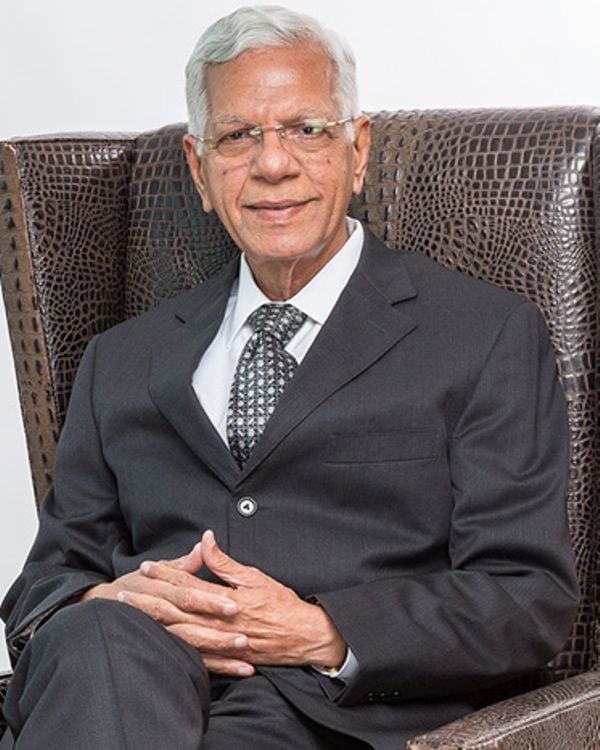 Celebrities
☑️Chandru Raheja
Chandru Lachmandas Raheja is an Indian businessman known for leading K. Raheja Corporation and for his long career in real estate, retail and hospitality.ト
Updated 2026-10-04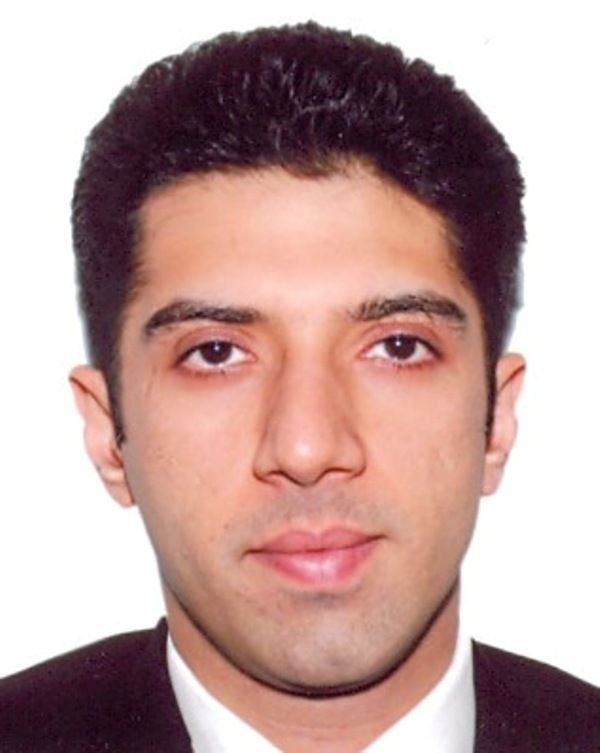 Celebrities
✅Neel Raheja
Neel Chandru Raheja is an Indian businessman who serves as Group President of K Raheja Corp. Born in Mumbai in 1974, he has guided the family's expansion—b
Updated 2026-10-04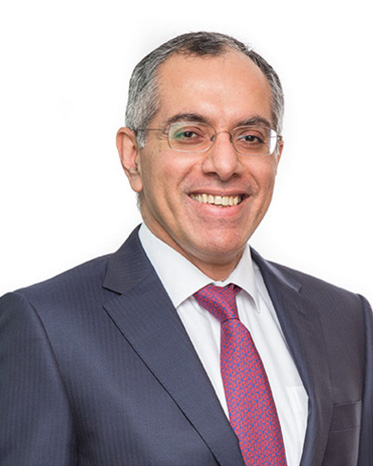 Celebrities
✅Ravi Raheja
Ravi Chandru Raheja is an Indian businessman known for his leadership role at K. Raheja Corporation. Born and raised in Mumbai, he holds degrees from the H
Updated 2026-10-04 Celebrities
6 Girlfriends Of Salman Khan
A look at six women who have been linked to Bollywood star Salman Khan over the years, from early romances to high-profile relationships that captured wide
Updated 2026-10-04