
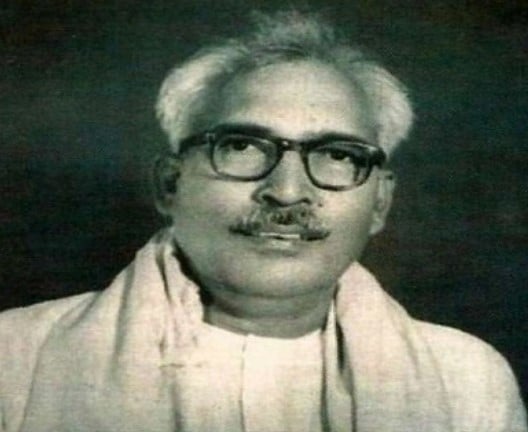
 Featured Biography
Image source: StarsUnfolded
Celebrities
Hazari Prasad Dwivedi Biography: Age, Career, Family and More
Quick Info
Date of birth19 August 1907
Age71 Years (at time of death)
BirthplaceArat-Dubeka Chhapra, Ballia, United Provinces of Agra and Oudh, British India
ProfessionWriter, Essayist, Scholar, Historian, Novelist, Critic
NationalityIndian
Marital statusMarried
SpouseBhagwati Devi
FamilyChildren (names not specified); Father: Pandit Anamol Dwivedi; Mother: Paramajyoti Devi; Brother: Acharya Dr Rama Nath Dwivedi
Hazari Prasad Dwivedi Biography
Hazari Prasad Dwivedi (1907–1979) was a distinguished Indian writer, scholar, critic and historian of Hindi literature. Renowned for his research on the Bh
Early life and backgroundHazari Prasad Dwivedi was born Baijnath Dwivedi on 19 August 1907 in the village of Arat-Dubeka Chhapra in Ballia district, then part of the United Provinces of Agra and Oudh in British India. He grew up in a family with a strong Sanskrit and scholarly tradition: his father, Pandit Anamol Dwivedi, was a Sanskrit scholar. Dwivedi received early training in Sanskrit and completed formal studies that included a Shastri degree in Sanskrit literature in 1929. He also completed intermediate and Acharya examinations in astrology at Banaras Hindu University in 1930 and later earned a Doctorate of Literature from Lucknow University in 1949.
Career
Dwivedi's professional life blended teaching, scholarship and creative writing. He joined Visva-Bharati at Santiniketan around 1940, where he taught Sanskrit and Hindi, engaged in research and contributed to building the institution's Hindi Bhavana. He served as Director of Hindi Bhavana at Visva-Bharati from 1940 to 1950 and spent two decades associated with the university. During his time at Santiniketan he interacted with figures such as Rabindranath Tagore and others in the cultural circle, experiences that influenced his literary sensibilities.
In 1950 he moved to Banaras Hindu University as a Reader in the Hindi Department and served there through the 1950s. He continued to play an active role in literary and academic administration: he was a member of Visva-Bharati's Executive Council from 1950 to 1953, served as President of the Kashi Nagari Pracharini Sabha in 1952–53, took part in the General Body and Management Committee of the Sahitya Akademi, and worked on projects such as discovering important regional manuscripts and inspecting the National Bibliography published by the Sahitya Akademi in 1954. In 1955 he was appointed to the first Official Language Commission established by the Government of India.
In 1960 Dwivedi joined Panjab University, Chandigarh, as Professor and Head of the Hindi Department, a position he held until retirement. He received the Tagore Award from the Paschim Banga Sahitya Akademi in 1962 and later returned to Banaras Hindu University, where he served as Rector for a period beginning in 1967. He also chaired the Uttar Pradesh Hindi Academy in Lucknow until his death.
Writings and scholarship
Dwivedi wrote across genres—critical studies, histories of literature, essays, novels, translations, and works of literary history. He is particularly remembered for his research on medieval Indian religious movements, including focused studies on Kabir and the Natha tradition. His book on Kabir is regarded as a carefully researched examination of the saint's life, ideas and works.
Among his significant scholarly and critical titles are works on the origins and development of Hindi literature and literary criticism. Sahitya ki Bhumika and Hindi Sahitya ka Adikala are examples of writings that redirected attention in histories of Hindi literary criticism. He also published important essay collections and shorter studies: examples include Kutaj, Nakhoon Kyon Barhte Hain, Ashok ke phool and the collection Alok Parva.
As a novelist, Dwivedi turned frequently to historical themes. Notable historical novels listed among his works are Banbhatt Ki Aatmkatha (1946), Anamdas Ka Potha, Punarnava and Charu-Chandra-Lekha. He translated a range of texts from Prakrit, English and other languages into Hindi and edited and founded the Visva-Bharati Patrika in Hindi.
Recognition
The Government of India awarded Dwivedi the Padma Bhushan in 1957 for his contributions to Hindi literature. In 1973 he received the Sahitya Akademi Award for his essay collection Alok Parva. A commemorative postage stamp honoring him was issued by the Government of India in 1997.
Public profile
Dwivedi was known for his command of many classical and modern languages, including Sanskrit, Bengali, Punjabi, Gujarati, Pali, Prakrit and Apabhramsa, and he read widely in English and Western philosophy. His background in traditional Sanskrit learning and his facility with regional languages allowed him to bridge classical textual traditions and contemporary literary criticism. He served on important literary bodies and commissions and was involved in manuscript preservation and bibliographic work.
Personal life
He married Bhagwati Devi in 1927 and they had children. His mother was Paramajyoti Devi and he had a brother, Acharya Dr. Rama Nath Dwivedi, who was also a writer. Dwivedi's life combined academic appointments with active participation in literary institutions until his death.
Later years and death
Hazari Prasad Dwivedi died in Delhi on 19 May 1979 at the age of 71. He had been diagnosed with a brain tumor. His work continues to be cited for its historical insight into medieval religious movements and for contributions to Hindi literary criticism.
Latest updates
A commemorative stamp was issued in 1997 by the Government of India in recognition of his contributions to Hindi literature.
Editorial Review and Sources
This F4U profile is written from publicly available career and profile information, then reviewed for clarity before publication. If you spot an outdated detail about Hazari Prasad Dwivedi, send the page URL and a reliable correction source to f4udotin@gmail.com.
Reference context: StarsUnfoldedAccuracy
Request a Correction
Tell us what needs to be updated and share a reliable source so the editorial team can review it.
Ownership
Claim This Profile
If this profile is about you or your client, send your contact details and verification context.
Recent Work
Collection of essays that won the Sahitya Akademi Award in 1973.
1973A researched study on the life, thought and teachings of the medieval saint Kabir.
Historical novel published in 1946.
1946Career Highlights
- Director of Hindi Bhavana, Visva-Bharati (1940–1950)
- Padma Bhushan recipient (1957)
- Sahitya Akademi Award for Alok Parva (1973)
- Professor and Head, Hindi Department, Panjab University (from 1960)
- Inspector of National Bibliography, Sahitya Akademi (1954)
- Member of the first Official Language Commission (1955)
People Also Search For
Frequently Asked Questions
When was Hazari Prasad Dwivedi born?
Hazari Prasad Dwivedi was born on 19 August 1907.
What is Hazari Prasad Dwivedi known for?
Hazari Prasad Dwivedi is known for writer, Essayist, Scholar, Historian, Novelist, Critic.
What is Hazari Prasad Dwivedi’s marital status?
Hazari Prasad Dwivedi's marital status is listed as Married.
Who is Hazari Prasad Dwivedi married to?
Hazari Prasad Dwivedi is publicly listed as married to Bhagwati Devi.
Related Biographies
View all →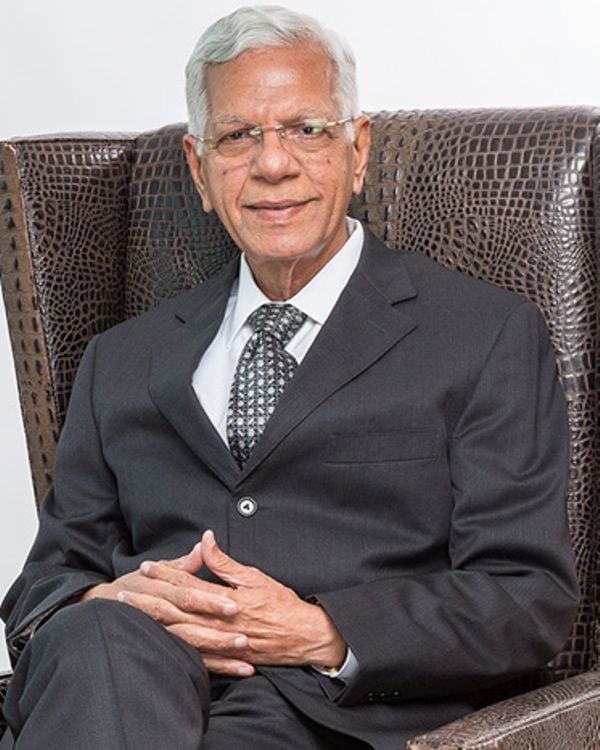 Celebrities
☑️Chandru Raheja
Chandru Lachmandas Raheja is an Indian businessman known for leading K. Raheja Corporation and for his long career in real estate, retail and hospitality.ト
Updated 2026-10-04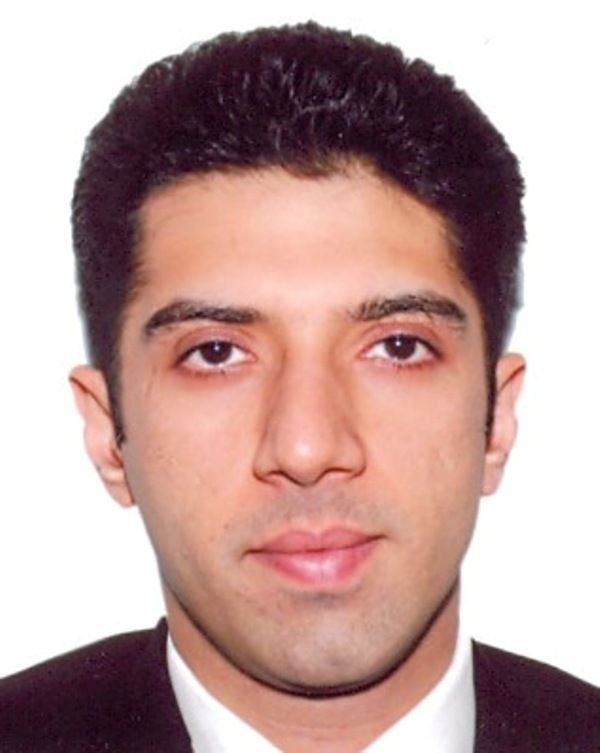 Celebrities
✅Neel Raheja
Neel Chandru Raheja is an Indian businessman who serves as Group President of K Raheja Corp. Born in Mumbai in 1974, he has guided the family's expansion—b
Updated 2026-10-04 Celebrities
✅Ravi Raheja
Ravi Chandru Raheja is an Indian businessman known for his leadership role at K. Raheja Corporation. Born and raised in Mumbai, he holds degrees from the H
Updated 2026-10-04 Celebrities
6 Girlfriends Of Salman Khan
A look at six women who have been linked to Bollywood star Salman Khan over the years, from early romances to high-profile relationships that captured wide
Updated 2026-10-04