
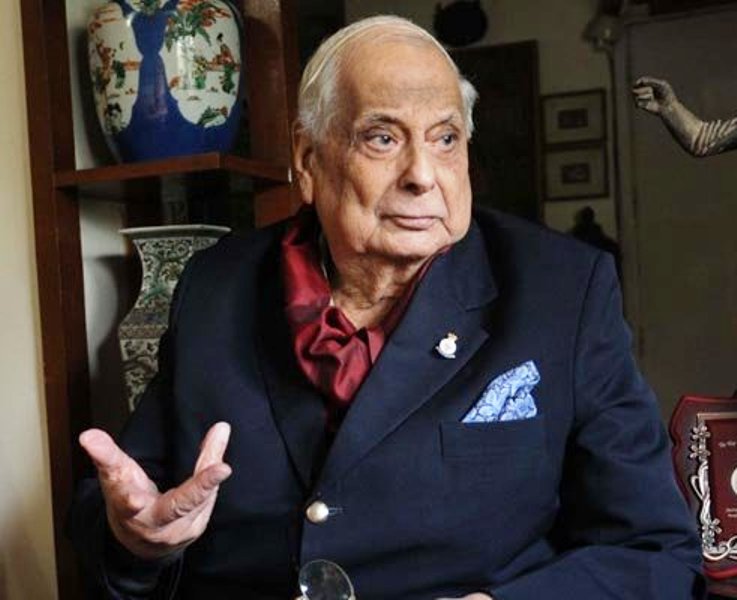
 Featured Biography
Image source: StarsUnfolded
Quick Info
Date of birth2 May 1921 or 1923
Age92 or 94 at time of death
BirthplaceCalcutta (now Kolkata), Bengal Presidency, British India
ProfessionRetired Army Personnel, Governor, Politician, Businessman
NationalityBritish Indian (until 1947); Indian (from 1947)
Marital statusUnmarried
FamilySon of Elias Emanuel and Carrie Jacob; brothers Maurice and Eric
J. F. R. Jacob Biography
J. F. R. Jacob was a three-star Indian Army officer who played a central planning role in the Eastern Command during the 1971 war. After a long military
Early life and backgroundJack Farj Rafael Jacob, commonly known as J. F. R. Jacob or Jake, was born in Calcutta (now Kolkata) in the Bengal Presidency of British India. Sources differ on his birth year, reporting either 1921 or 1923. He came from a Baghdadi Jewish family that had migrated to India from Iraq. Jacob was educated at Victoria School in Kurseong and at St. Xavier’s College, Calcutta, from which he graduated. As a young man he took part in local mounted rifle and musketry competitions and was part of a team that won the Baker Musketry Shield three years in a row before beginning military training.
Military career
Jacob joined military training at the Officers Training School in Mhow and received an emergency commission into the Regiment of Artillery on 7 June 1942. During the Second World War he served abroad in several theatres, including postings to Iraq to help protect oil fields, to Tunisia as part of efforts against the Afrika Korps, to Burma during the campaign against Japanese forces, and to Sumatra during post-war counter-insurgency operations.
After applying for a permanent commission in 1945, Jacob continued his career as the British Indian Army transitioned to the independent Indian Army in 1947. Over three decades he rose through the ranks from lieutenant and captain to senior leadership posts. He completed the staff course at the Defence Services Staff College in Wellington in 1951, raised the 3 Medium Regiment of Artillery in New Delhi in 1956, and served as an instructor at DSSC in the early 1960s.
In the mid-1960s Jacob held brigade and divisional commands and produced a desert warfare manual used by the Indian Army. He was appointed Chief of Staff of the Eastern Command on 29 April 1969 and later commanded XVI Corps before assuming leadership of Eastern Command, where he reached the rank of lieutenant-general.
Role in 1971 conflict
As Chief of Staff in the Eastern Command, Jacob was closely involved in planning during the 1971 crisis that followed Operation Searchlight and the large refugee influx into India. Working under Lt. Gen. Jagjit Singh Aurora and in consultation with the Army leadership, Jacob developed operational plans for an offensive into East Pakistan. He advocated avoiding protracted assaults on fortified towns; instead his planning emphasized bypassing strongpoints, severing enemy communications, and driving toward Dhaka as the decisive objective. His approach prioritized speed, maneuverability, and an end to the campaign within weeks rather than months. The conflict concluded with the surrender of Pakistani forces in mid-December 1971.
Later career and public service
Jacob continued to serve in senior army appointments through the 1970s and was honored with awards including the Param Vishisht Seva Medal in January 1972. After retiring from active service, he entered public life and was associated with the Bharatiya Janata Party during the 1990s. He served as Governor of Goa from April 1998 to November 1999 and then as Governor of Punjab and Administrator of Chandigarh from November 1999 to May 2003.
Public profile
Known for a measured and strategic intellect, Jacob described military decision-making in practical terms and emphasized preparedness and logistics in planning. He spoke about counterinsurgency efforts in the late 1960s and the need for clear orders and resources when military forces were assigned internal security tasks. He also pursued studies abroad on advanced artillery and missile systems during his career.
Personal life
Jacob never married. He was the son of Elias Emanuel and Carrie Jacob and had at least two brothers, Maurice and Eric, both of whom served in the Second World War. He maintained interests outside the military, including fishing and poetry, and retained a long-term residence in New Delhi.
Death and legacy
J. F. R. Jacob died in New Delhi on 13 January 2016 from pneumonia. He was remembered for his service in multiple theatres during the Second World War, for his long and steady rise through the Indian Army, and for the operational planning that contributed to the swift conclusion of the 1971 conflict in the East. His career encompassed active service, staff education, doctrinal writing, and later constitutional roles as a state governor.
Latest updates
At the time of his death, Jacob's contributions to military planning and internal security operations remained part of his public legacy. Post-retirement he held gubernatorial appointments in two Indian states and remained a recognized figure in accounts of the 1971 war.
Editorial Review and Sources
This F4U profile is written from publicly available career and profile information, then reviewed for clarity before publication. If you spot an outdated detail about J. F. R. Jacob, send the page URL and a reliable correction source to f4udotin@gmail.com.
Reference context: StarsUnfoldedAccuracy
Request a Correction
Tell us what needs to be updated and share a reliable source so the editorial team can review it.
Ownership
Claim This Profile
If this profile is about you or your client, send your contact details and verification context.
Recent Work
Served as the 24th Governor of Punjab and 11th Administrator of Chandigarh
1999-2003Served as the 9th Governor of Goa
1998-1999Career Highlights
- Chief of Staff, Eastern Command (from 29 April 1969)
- Raised 3 Medium Regiment of Artillery (1956)
- Planned operations for Eastern Command during the 1971 conflict
- Recipient of the Param Vishisht Seva Medal (January 1972)
Frequently Asked Questions
When was J. F. R. Jacob born?
J. F. R. Jacob was born on 2 May 1921 or 1923.
What is J. F. R. Jacob known for?
J. F. R. Jacob is known for retired Army Personnel, Governor, Politician, Businessman.
What is J. F. R. Jacob’s marital status?
J. F. R. Jacob's marital status is listed as Unmarried.
Related Biographies
View all →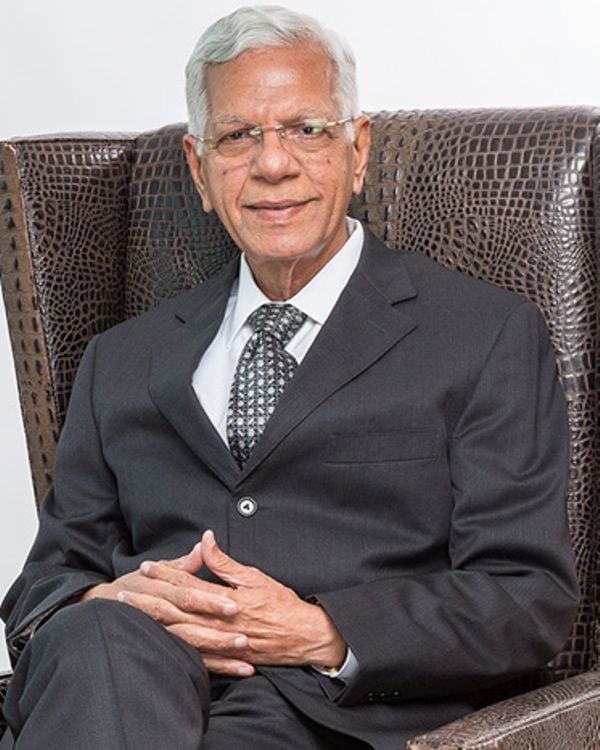 Celebrities
☑️Chandru Raheja
Chandru Lachmandas Raheja is an Indian businessman known for leading K. Raheja Corporation and for his long career in real estate, retail and hospitality.ト
Updated 2026-10-04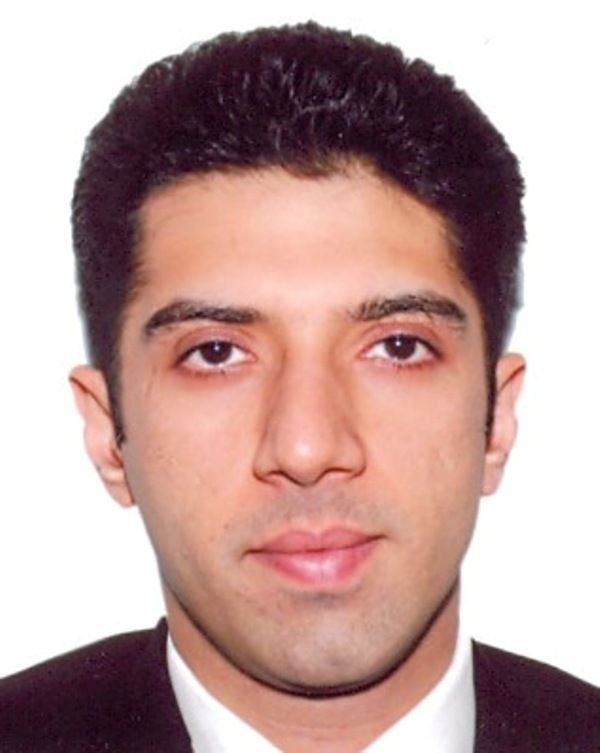 Celebrities
✅Neel Raheja
Neel Chandru Raheja is an Indian businessman who serves as Group President of K Raheja Corp. Born in Mumbai in 1974, he has guided the family's expansion—b
Updated 2026-10-04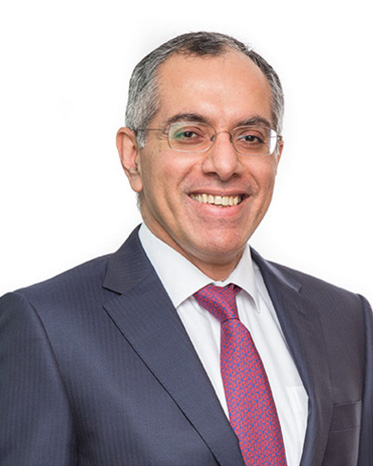 Celebrities
✅Ravi Raheja
Ravi Chandru Raheja is an Indian businessman known for his leadership role at K. Raheja Corporation. Born and raised in Mumbai, he holds degrees from the H
Updated 2026-10-04 Celebrities
6 Girlfriends Of Salman Khan
A look at six women who have been linked to Bollywood star Salman Khan over the years, from early romances to high-profile relationships that captured wide
Updated 2026-10-04