
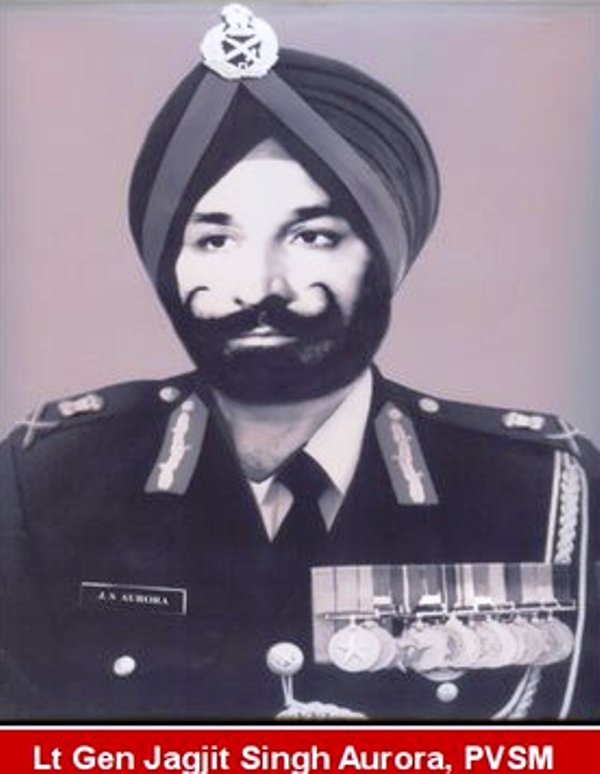
 Featured Biography
Image source: StarsUnfolded
Celebrities
Jagjit Singh Aurora Biography: Age, Career, Family and More
Quick Info
Date of birth13 February 1916
Age89 (at death)
BirthplaceKala Gujran, Jhelum district, Punjab Province, British India (now in Punjab, Pakistan)
ProfessionRetired Indian Army officer and politician
NationalityBritish Indian (1916–1947); Indian (1947–2005)
Marital statusMarried (at time of death)
SpouseBhagwant Kaur Aurora
FamilySon - Kiranjit Singh Rana; Daughter - Anita Kalra
Jagjit Singh Aurora Biography
Lieutenant General Jagjit Singh Aurora was a senior Indian Army officer best known for commanding the Eastern Command during the 1971 Indo-Pakistan War. He
Early life and backgroundJagjit Singh Aurora was born on 13 February 1916 in Kala Gujran, then part of Jhelum district in British India. He completed his schooling at Mission High School in Rawalpindi and subsequently joined the Indian Military Academy, completing his training on 1 January 1939. His family background included his father, Dewan Singh, who worked as an engineer; his mother’s name is not recorded in the available material. He came from a Sikh family and later listed Hargobindpura Basti in Sangrur, Punjab, as his hometown.
Military career
Aurora began his military service with the British Indian Army in 1939 when he was commissioned into the 1st battalion of the 2nd Punjab Regiment. Early in his career he and his unit were deployed to Burma during the Second World War. He remained in military service after the war and, following India’s partition in 1947, he chose to continue serving with the Indian Army and was assigned to the 2nd Battalion of the Punjab Regiment.
During the first conflict in Jammu and Kashmir in late 1947 he commanded his battalion against invading tribal forces and Pakistani units. Over the following decades he rose steadily through the ranks, holding command and staff appointments across formations and theatres. He served as Brigadier General Staff of 33 Corps and led the Indian Military Training Team (IMTRAT) in Bhutan, establishing closer military ties with that country. He commanded an infantry brigade in the North-East Frontier Agency (NEFA) during the 1962 war with China, later led an infantry division after promotion to major general, and served as Director General of Military Training.
In 1966 he became Deputy Chief of the Army Staff. He returned to the eastern theatre as a corps commander during the 1967 clashes with the Chinese at Nathu La and Cho La in Sikkim. On 8 June 1969 he took over as General Officer Commanding-in-Chief of the Eastern Command, based in Kolkata, a post he held through the 1971 Indo-Pakistan War and until his retirement in 1973.
Role in the 1971 war
As Eastern Army Commander, Aurora was responsible for preparing Indian forces for operations in the east and for sustaining a large buildup of men and material across difficult terrain. He oversaw the movement of substantial quantities of arms, ammunition and supplies to forward areas and worked on training and supporting Bangladeshi guerrilla forces (Mukti Bahini) operating against Pakistani forces in East Pakistan.
When full-scale hostilities began in December 1971, Aurora deployed a campaign plan that prioritized rapid thrusts against weakly held objectives while avoiding protracted assaults on strongly defended positions. That approach contributed to a swift campaign in which Pakistani forces in the eastern theatre capitulated on 16 December 1971. The formal instrument of surrender was signed at Dhaka’s Ramna Race Course that day, and more than 93,000 Pakistani personnel were taken into custody, marking one of the largest surrenders since the Second World War.
Later service and retirement
Aurora remained GOC-in-C, Eastern Command, until his retirement in 1973. Over his career he rose from the junior officer ranks of the late 1930s to the substantive rank of lieutenant general. His long service included a number of acting, temporary and substantive promotions reflecting wartime and postwar personnel requirements.
Decorations and honours
For his service he received India’s Param Vishisht Seva Medal and the civilian award of the Padma Bhushan in 1972. He was also awarded the Bangladeshi gallantry award Bir Protik and, posthumously, the Punjab Rattan Award.
Public life and later years
After retirement from the Army, Aurora entered public life through the Akali Dal and served as a member of India’s Rajya Sabha from 1986 to 1992. He was publicly critical of the Indian government’s decision to use military force at the Golden Temple in 1984 and worked with organisations that sought justice for victims of the 1984 riots. He founded the Sikh Forum and participated in the Citizen’s Justice Committee.
Aurora authored a book titled The Punjab Story, published in 1984, which addressed Operation Blue Star and the events surrounding it. He remained a visible public figure in matters connected to Punjab and national security.
Public profile
Aurora’s leadership in the 1971 campaign earned wide recognition. Military colleagues and later commentators debated aspects of his command relationships with subordinate commanders, but senior figures praised his contribution to the victory in the east. Field Marshal Sam Manekshaw acknowledged Aurora’s operational work in planning the eastern campaign. His uniform and medals were later entrusted to the Indian Army by his family.
Personal life and death
Jagjit Singh Aurora was married to Bhagwant Kaur Aurora; they had two children, a son, Kiranjit Singh Rana, and a daughter, Anita Kalra. He enjoyed golf. Aurora died in New Delhi on 3 May 2005 at the age of 89 and was cremated with military honours.
Latest updates
There are no later developments in the licensed material beyond the transfer of his personal medals to the Army and posthumous recognitions acknowledging his role in the liberation of Bangladesh.
Editorial Review and Sources
This F4U profile is written from publicly available career and profile information, then reviewed for clarity before publication. If you spot an outdated detail about Jagjit Singh Aurora, send the page URL and a reliable correction source to f4udotin@gmail.com.
Reference context: StarsUnfoldedAccuracy
Request a Correction
Tell us what needs to be updated and share a reliable source so the editorial team can review it.
Ownership
Claim This Profile
If this profile is about you or your client, send your contact details and verification context.
Recent Work
Authored a book discussing Operation Blue Star and related events (published 1984).
1984Career Highlights
- Commanded Eastern Command of the Indian Army during the 1971 Indo-Pakistan War
- Oversaw logistics and training support for operations in East Pakistan and for Mukti Bahini
- Served as Deputy Chief of the Army Staff and Director General of Military Training
- Member of Rajya Sabha representing the Akali Dal (1986–1992)
Frequently Asked Questions
When was Jagjit Singh Aurora born?
Jagjit Singh Aurora was born on 13 February 1916.
What is Jagjit Singh Aurora known for?
Jagjit Singh Aurora is known for retired Indian Army officer and politician.
What is Jagjit Singh Aurora’s marital status?
Jagjit Singh Aurora's marital status is listed as Married (at time of death).
Who is Jagjit Singh Aurora married to?
Jagjit Singh Aurora is publicly listed as married to Bhagwant Kaur Aurora.
Related Biographies
View all →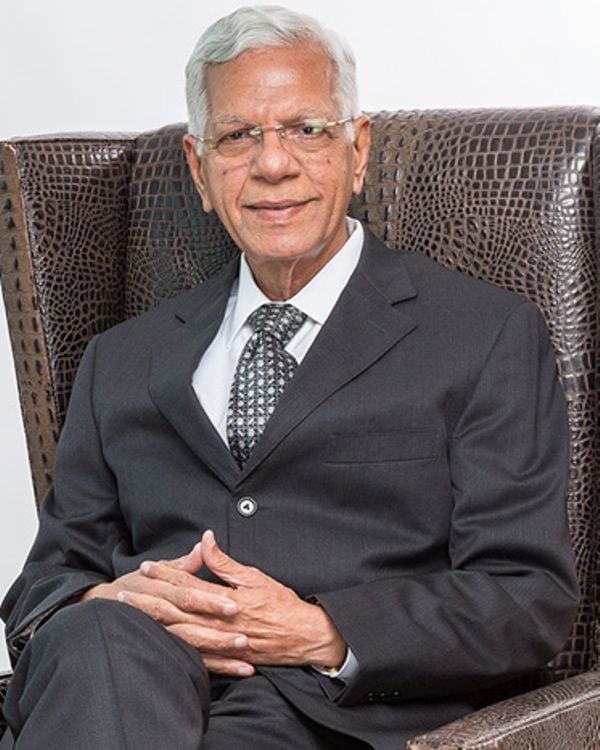 Celebrities
☑️Chandru Raheja
Chandru Lachmandas Raheja is an Indian businessman known for leading K. Raheja Corporation and for his long career in real estate, retail and hospitality.ト
Updated 2026-10-04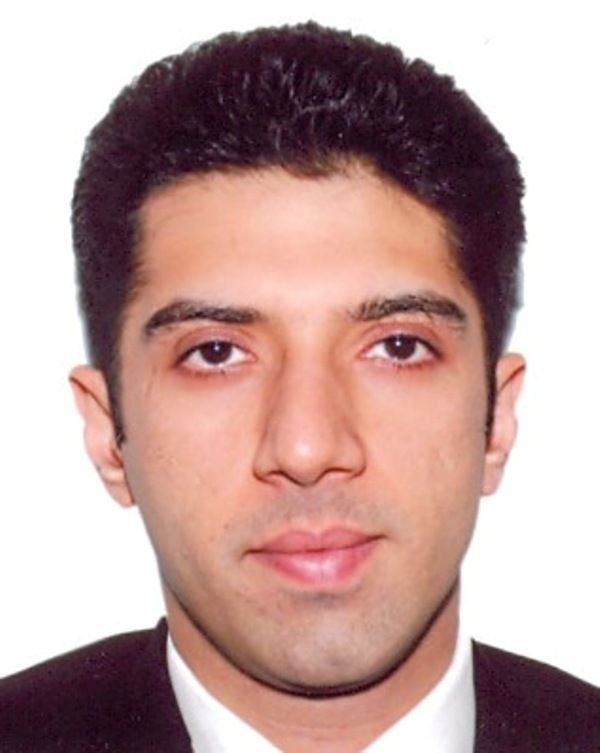 Celebrities
✅Neel Raheja
Neel Chandru Raheja is an Indian businessman who serves as Group President of K Raheja Corp. Born in Mumbai in 1974, he has guided the family's expansion—b
Updated 2026-10-04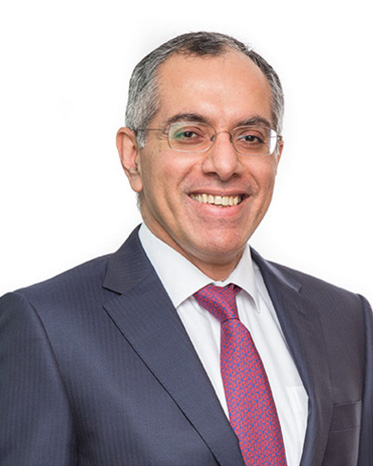 Celebrities
✅Ravi Raheja
Ravi Chandru Raheja is an Indian businessman known for his leadership role at K. Raheja Corporation. Born and raised in Mumbai, he holds degrees from the H
Updated 2026-10-04 Celebrities
6 Girlfriends Of Salman Khan
A look at six women who have been linked to Bollywood star Salman Khan over the years, from early romances to high-profile relationships that captured wide
Updated 2026-10-04