
 Featured Biography
Image source: StarsUnfolded
Celebrities
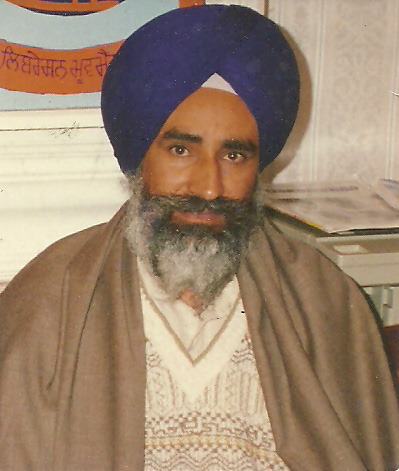
Jaswant Singh Khalra Biography: Age, Career, Family and More
Quick Info
Date of birth1952
Age43 Years
BirthplaceA remote area of Punjab near the India-Pakistan border in Amritsar
ProfessionHuman Rights Activist
NationalityIndian
Marital statusMarried (at time of death)
SpouseParamjit Kaur
FamilySon - Janmeet Singh; Daughter - Navkiran Kaur
Jaswant Singh Khalra Biography
Jaswant Singh Khalra was a Sikh human rights activist from Punjab best known for exposing secret cremations and alleged extrajudicial killings during the 0
Early life and backgroundJaswant Singh Khalra was born in 1952 in a rural area of Punjab near the India–Pakistan border in the Amritsar region. He grew up in a family with a long history of political and social involvement; several ancestors took part in anti-colonial and reform movements. Khalra completed his schooling in 1969 and finished further studies in 1973. He later earned a law degree and attended Baba Budha College, Bir Sahib.
Khalra was one of nine siblings and spent his early adult years active in student politics. Inspired by revolutionary figures, he became a student spokesperson at Khalsa College, Amritsar, and organised protests against police corruption and abuses of authority. These formative experiences set the tone for his later human rights work.
Career
After college Khalra continued his community involvement in several roles. He worked for the Bhagat Singh Union and served as Panchayat Secretary in his village. He also took part in local organisations such as Naujawan Bharat Sabha. For a period he was director of a cooperative bank in Amritsar and later resigned to devote himself fully to human rights activism.
By the late 1980s and early 1990s, Punjab was undergoing intense political turmoil after Operation Blue Star and the events that followed. Khalra focused his efforts on documenting alleged abuses by state forces during this period. While searching cremation ground registers for information about missing friends, he found entries that he interpreted as evidence of mass secret cremations and discrepancies between recorded names and the label of “unidentified” used for many bodies.
Khalra helped form the Human Rights Wing of the Shiromani Akali Dal and later the Daman Virodhi Front, which campaigned against what its members described as repression and police excesses. Working with colleagues, including Jaspal Singh Dhillon, he publicised cremation ground records that he said showed unclaimed bodies brought to cremation grounds and alleged attempts to obscure identities. In January 1995 he and his associates released records they said documented hundreds of such cases and accused political leaders of being aware of the practices.
Khalra and his colleagues pursued legal avenues as well, filing a writ in the Punjab & Haryana High Court to seek redress for the alleged violations. The court dismissed that petition. Over the same period Khalra worked on multiple investigations, including cases involving alleged custodial deaths, possible use of civilians as human shields, and large numbers of unidentified cremations.
He also edited and published a monthly magazine, Liberation Khalistan, and founded the Khalistan Liberation Movement International. Khalra travelled internationally to raise awareness about his findings, including an invitation to Canada where he presented his research at a World Sikh Organization event and spoke to Canadian officials and community groups.
Public profile
Khalra married Paramjit Kaur in 1981. The couple lived in their native village for several years before moving to Amritsar in 1985. They had two children: a son, Janmeet Singh, and a daughter, Navkiran Kaur. Paramjit Kaur later worked as a teacher and was also active in human rights work. Family members continued to be involved in activism and public life.
Khalra’s work attracted substantial attention and controversy. He publicly challenged senior police officials and state authorities, arguing that official practices during the insurgency led to serious human rights violations. His investigations relied heavily on documentary records and publicising those records became a central tactic in his campaign.
Death and legacy
Jaswant Singh Khalra was abducted in September 1995 and died in October 1985 at the age of 43, according to the available records. The circumstances presented in contemporary accounts state that he was taken into custody by Punjab police and subsequently killed while in illegal detention at a police station. His death deepened scrutiny of the events he had been investigating and contributed to broader conversations about accountability and human rights in Punjab.
Khalra’s family, colleagues, and supporters have continued to preserve and publicise his work. His investigations, particularly those concerning cremation ground records, remain a significant part of the public record about the period and shaped later discussions about alleged state violence and extrajudicial killings.
Latest updates
Records from electoral affidavits and family accounts have documented immovable property associated with Khalra’s family. His wife and children have remained active in public life and human rights advocacy. His research and public efforts are still cited in discussions about the Punjab insurgency period and the search for accountability for alleged abuses.
Editorial Review and Sources
This F4U profile is written from publicly available career and profile information, then reviewed for clarity before publication. If you spot an outdated detail about Jaswant Singh Khalra, send the page URL and a reliable correction source to f4udotin@gmail.com.
Reference context: StarsUnfoldedAccuracy
Request a Correction
Tell us what needs to be updated and share a reliable source so the editorial team can review it.
Ownership
Claim This Profile
If this profile is about you or your client, send your contact details and verification context.
Recent Work
Editor and founder of a monthly periodical focused on Khalra's political and human rights views.
early 1990sCareer Highlights
- Student leader and spokesperson at Khalsa College, Amritsar
- Served as Panchayat Secretary and director of a cooperative bank
- Formed the Daman Virodhi Front and helped establish the Human Rights Wing of Shiromani Akali Dal
- Publicised cremation ground records alleging secret cremations in Punjab
- Edited Liberation Khalistan and founded Khalistan Liberation Movement International
- Spoke internationally about alleged human rights abuses, including in Canada
Frequently Asked Questions
When was Jaswant Singh Khalra born?
Jaswant Singh Khalra was born on 1952.
What is Jaswant Singh Khalra known for?
Jaswant Singh Khalra is known for human Rights Activist.
What is Jaswant Singh Khalra’s marital status?
Jaswant Singh Khalra's marital status is listed as Married (at time of death).
Who is Jaswant Singh Khalra married to?
Jaswant Singh Khalra is publicly listed as married to Paramjit Kaur.
Related Biographies
View all →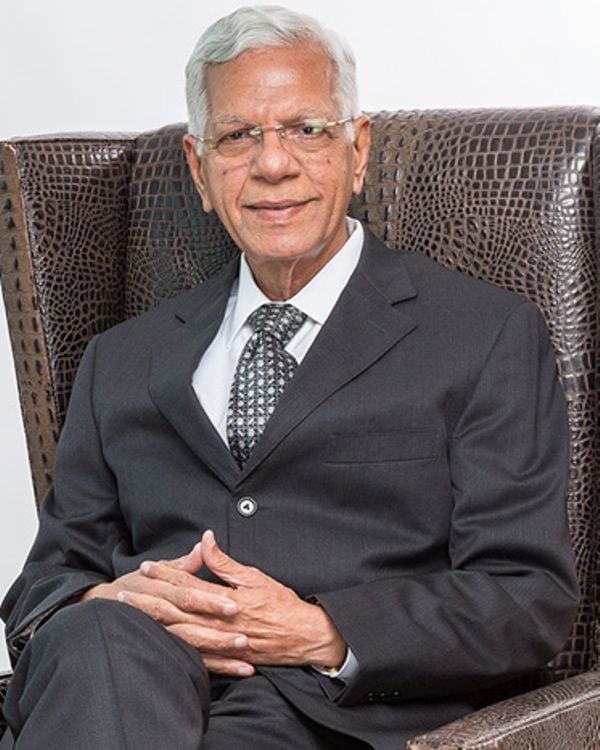 Celebrities
☑️Chandru Raheja
Chandru Lachmandas Raheja is an Indian businessman known for leading K. Raheja Corporation and for his long career in real estate, retail and hospitality.ト
Updated 2026-10-04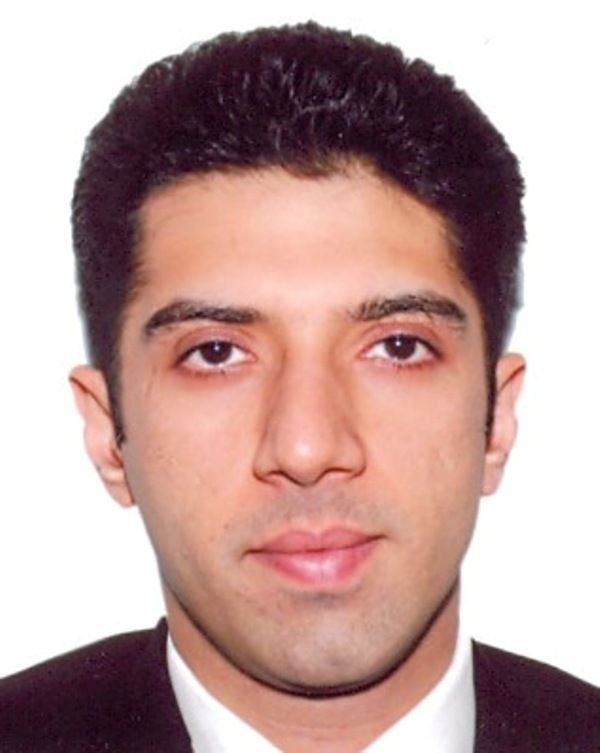 Celebrities
✅Neel Raheja
Neel Chandru Raheja is an Indian businessman who serves as Group President of K Raheja Corp. Born in Mumbai in 1974, he has guided the family's expansion—b
Updated 2026-10-04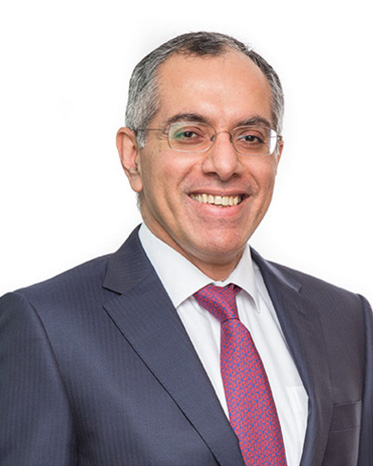 Celebrities
✅Ravi Raheja
Ravi Chandru Raheja is an Indian businessman known for his leadership role at K. Raheja Corporation. Born and raised in Mumbai, he holds degrees from the H
Updated 2026-10-04 Celebrities
6 Girlfriends Of Salman Khan
A look at six women who have been linked to Bollywood star Salman Khan over the years, from early romances to high-profile relationships that captured wide
Updated 2026-10-04