
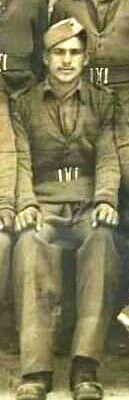
 Featured Biography
Image source: StarsUnfolded
Celebrities
Jaswant Singh Rawat Biography: Age, Career, Family and More
Quick Info
Date of birth19 August 1921
Age21 Years (at time of death)
BirthplaceBaryun village, British Garhwal District, United Provinces, British India (now Pauri Garhwal District, Uttarakhand, India)
ProfessionArmy Personnel
NationalityIndian
Marital statusUnmarried
FamilyFather - Ranvir Singh Rawat; Mother - Lila Devi Rawat; Brothers - Vijay Singh Rawat, Ranvir Singh Rawat
Jaswant Singh Rawat Biography
Rifleman Jaswant Singh Rawat of the 4th Garhwal Rifles is remembered for his actions during the 1962 Battle of Nuranang in what is now Arunachal Pradesh. K
Early life and backgroundJaswant Singh Rawat was born on 19 August 1921 in Baryun village in the Garhwal region of what was then the United Provinces of British India (today part of Pauri Garhwal district, Uttarakhand). He completed schooling up to the ninth grade before leaving formal education for financial reasons. Military service ran in his extended family: his maternal uncle, Pratap Singh Negi, was a retired major who helped Jaswant join the army, and ancestral connections to military service were part of his family history. His father worked at the Military Dairy Farm in Dehradun.
Career
Jaswant Singh enlisted in the Indian Army on 16 August 1960 and was posted to the 4th Battalion of the Garhwal Rifles. He served as a rifleman with service number 4039009 and was part of Delta Company. After completing his training at the Garhwal Rifles Regimental Center in Lansdowne, he was deployed to the North-East Frontier Agency (NEFA), now Arunachal Pradesh, where his unit was responsible for defending the Sela Pass and establishing a bridgehead to secure the Nuranang ridge.
During the 1962 conflict with China, his battalion was the primary force holding the Nuranang position as other units withdrew. On 17 November 1962, Delta Company came under heavy, coordinated attack supported by enemy machine guns and artillery. An enemy machine-gun position was hindering Delta Company’s ability to hold. Jaswant Singh, together with Lance Naik Trilok Singh Negi and Rifleman Gopal Singh Gusain, volunteered to neutralize that machine gun. All three were wounded while pulling the weapon back to the Indian post, an action that is credited with turning the battle’s momentum temporarily.
As Delta Company ran low on ammunition and manpower, the company commander ordered a withdrawal. Jaswant refused to retreat and chose to remain to continue resistance. Assisted by two local women, Sela and Noora, who had been serving as porters for the troops, Jaswant helped set up multiple firing posts and moved between them to give the impression of a larger force. He, Sela and Noora maintained these positions for three days and nights, slowing the enemy advance until local informants revealed their limited numbers to the opposing forces.
Accounts of the final moments differ. One version reports that Jaswant took his own life to avoid capture after being surrounded. Another states he was captured while severely wounded and later executed. After hostilities ended, it was reported that Chinese commanders returned his head and a brass bust to Indian authorities.
Awards and legacy
For his actions during the Battle of Nuranang, Jaswant Singh Rawat was posthumously awarded the Mahavir Chakra, India’s second-highest military decoration for gallantry. The location where he fell has been established as a shrine known as Jaswant Garh.
His unit, the 4th Garhwal Rifles, received the battle honour of Nuranang for its role in the engagement. Over the decades that followed, military tradition at Jaswant Garh treated his memory as if he were still on duty: personnel are detailed to tend a shrine bearing his belongings, and accounts from the site describe ongoing ceremonial care. The army has also granted him posthumous honorary promotions; as of 2021 he was listed as an Honorary Captain and entitled to leaves that his family could apply for on his behalf.
Public profile
Jaswant Singh Rawat is locally venerated and sometimes referred to by the honorific ‘Baba’ Jaswant Singh. He receives a steady stream of letters and attention from across the country. His story has been retold in regional and national accounts of the 1962 conflict, and the shrine at Jaswant Garh remains a point of remembrance for visitors and serving soldiers.
Personal life
Jaswant was unmarried at the time of his death. His parents were Ranvir Singh Rawat and Lila Devi Rawat. He had at least two brothers: Vijay Singh Rawat and Ranvir Singh Rawat. Some accounts mention that Jaswant had a relationship with a local woman named Sela, who, along with her sister Noora, supported the troops at Nuranang.
Latest updates
The shrine at the site of his martyrdom continues to be maintained by army personnel. Commemorative practices around Jaswant Singh’s memory, including the observance of his shrine and the assignment of honorary ranks, persisted through at least 2021, reflecting continued official and public recognition of his actions during the 1962 conflict.
Editorial Review and Sources
This F4U profile is written from publicly available career and profile information, then reviewed for clarity before publication. If you spot an outdated detail about Jaswant Singh Rawat, send the page URL and a reliable correction source to f4udotin@gmail.com.
Reference context: StarsUnfoldedAccuracy
Request a Correction
Tell us what needs to be updated and share a reliable source so the editorial team can review it.
Ownership
Claim This Profile
If this profile is about you or your client, send your contact details and verification context.
Career Highlights
- Enlisted in the Indian Army on 16 August 1960
- Served with the 4th Battalion, Garhwal Rifles (Delta Company)
- Posthumously awarded the Mahavir Chakra
- The site of his death established as the Jaswant Garh shrine
- 4th Garhwal Rifles received the battle honour of Nuranang
Frequently Asked Questions
When was Jaswant Singh Rawat born?
Jaswant Singh Rawat was born on 19 August 1921.
What is Jaswant Singh Rawat known for?
Jaswant Singh Rawat is known for army Personnel.
What is Jaswant Singh Rawat’s marital status?
Jaswant Singh Rawat's marital status is listed as Unmarried.
Related Biographies
View all →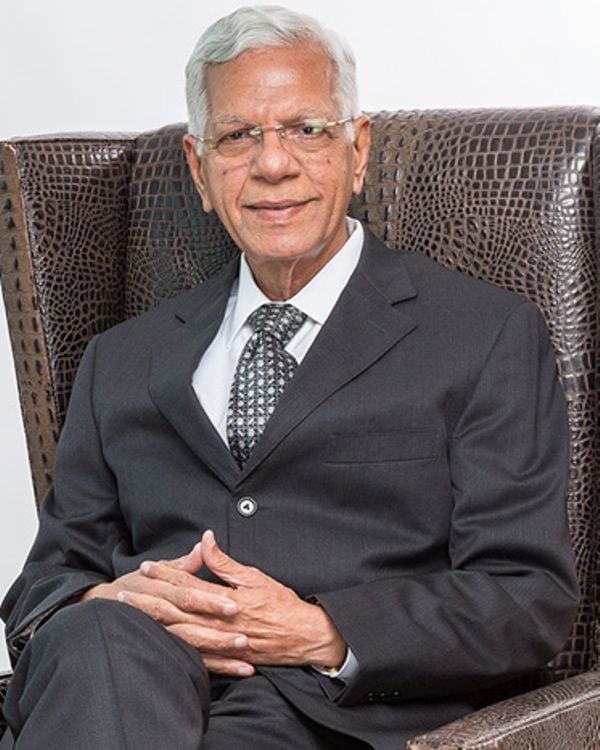 Celebrities
☑️Chandru Raheja
Chandru Lachmandas Raheja is an Indian businessman known for leading K. Raheja Corporation and for his long career in real estate, retail and hospitality.ト
Updated 2026-10-04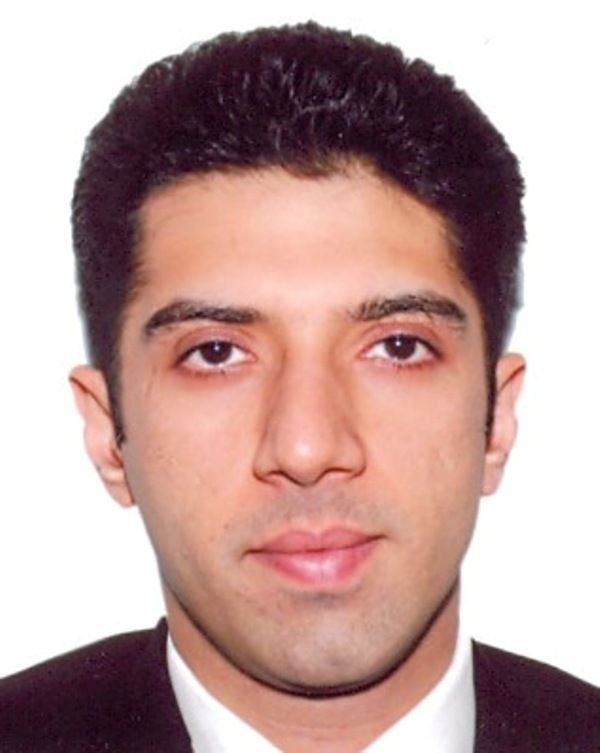 Celebrities
✅Neel Raheja
Neel Chandru Raheja is an Indian businessman who serves as Group President of K Raheja Corp. Born in Mumbai in 1974, he has guided the family's expansion—b
Updated 2026-10-04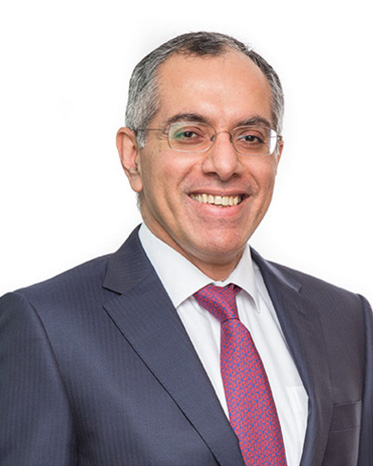 Celebrities
✅Ravi Raheja
Ravi Chandru Raheja is an Indian businessman known for his leadership role at K. Raheja Corporation. Born and raised in Mumbai, he holds degrees from the H
Updated 2026-10-04 Celebrities
6 Girlfriends Of Salman Khan
A look at six women who have been linked to Bollywood star Salman Khan over the years, from early romances to high-profile relationships that captured wide
Updated 2026-10-04