
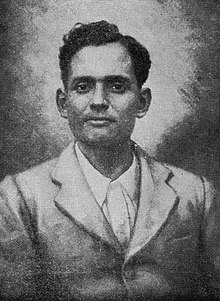
 Featured Biography
Image source: StarsUnfolded
Quick Info
Date of birth27 October 1904
Age24 Years (at time of death)
BirthplaceCalcutta, Bengal Presidency, British India
ProfessionFreedom Fighter
NationalityBritish Indian
Marital statusUnmarried
FamilyFather: Bankim Behari Das; Mother: Suhashini Das; Younger brother: Kiron Das
Jatindra Nath Das Biography
Jatindra Nath Das (born 27 October 1904 in Calcutta) was a young Indian revolutionary who became a symbol of protest after a prolonged hunger strike in 192
Early life and backgroundJatindra Nath Das, often called Jatin, was born on 27 October 1904 in Calcutta in the Bengal Presidency of British India. He grew up in a middle-class family; his parents were Bankim Behari Das and Suhashini Das, and he had a younger brother named Kiron Das. Das completed his school education with good marks and went on to study for a Bachelor of Arts degree at Vidyasagar College (also referred to in some accounts as Bangabasi College) in Calcutta.
Career
From a young age Das became involved in the Indian independence movement. As a teenager he joined local revolutionary circles and was connected with the Anushilan Samiti. In 1921, at about seventeen years old, he took part in the non-cooperation movement. Over time he became associated with revolutionary activity and learned bomb-making techniques from senior revolutionaries.
Das’s political engagement led to repeated arrests. In November 1925 he was detained and sent to Mymensingh jail. While imprisoned there he staged a hunger strike to protest the treatment of political prisoners; after about twenty days the jail superintendent acceded to some demands and Das ended that fast.
In June 1929 he was arrested again in connection with the Lahore Conspiracy Case and sent to Lahore jail. Distressed by the unequal and unhygienic conditions experienced by Indian detainees compared with European prisoners, Das launched another hunger strike on 13 July 1929. He demanded equal treatment for Indian political prisoners. During the strike he endured force-feeding and physical assault that damaged his health and left him paralyzed in parts of his body. Though he was released on bail, the British government initially resisted unconditional release.
After 63 days without food, Jatindra Nath Das died on 13 September 1929 in Lahore jail. His refusal to accept medical advice or medicines during the fast, and his commitment to the protest, were widely reported. Prominent contemporaries commented on the moral force of his action and the example it set to other anti-colonial activists.
Public profile
Das’s death prompted a large public response across India. His body was transported back to Calcutta in a widely attended procession; Subhash Chandra Bose received the coffin at Howrah station. Funeral processions and gatherings in multiple cities drew thousands and involved leaders of the independence movement. The event had a notable impact on nationalist politics and public opinion at the time, contributing to wider protest against the treatment of detained revolutionaries.
Contemporaries and later commentators described Das as serious, soft-spoken, and disciplined in his convictions. Fellow revolutionaries and political leaders lauded his sacrifice; some compared his selfless action to historic examples of sacrifice from Indian tradition. The circulation of photographs and press coverage of his death intensified public reaction and reportedly influenced British policies around handing over bodies of executed or deceased revolutionaries.
Legacy and remembrance
In subsequent decades Das’s sacrifice continued to be commemorated. In 1979 the Government of India issued a postal stamp bearing his name and image. He has been memorialized in film and documentary: his life was depicted in the 2002 feature The Legend of Bhagat Singh and was the subject of a 2009 short documentary titled Immortal Martyr Jatin Das. A statue honoring him stands at Jatindradas Nagar in West Bengal.
Latest updates
Scholars studying the interwar period of Indian history have pointed to Das’s hunger strike as a critical episode that highlighted issues around detention without trial and the treatment of political prisoners. His death is cited in academic discussions of how nationalist politics and public opinion were affected by revolutionary martyrdom in the late colonial period.
Editorial Review and Sources
This F4U profile is written from publicly available career and profile information, then reviewed for clarity before publication. If you spot an outdated detail about Jatindra Nath Das, send the page URL and a reliable correction source to f4udotin@gmail.com.
Reference context: StarsUnfoldedAccuracy
Request a Correction
Tell us what needs to be updated and share a reliable source so the editorial team can review it.
Ownership
Claim This Profile
If this profile is about you or your client, send your contact details and verification context.
Recent Work
A 2009 thirty-five minute documentary depicting the sacrifice of Jatindra Nath Das.
20092002 Bollywood feature in which the character of Jatindra Nath Das was portrayed by Amitabh Bhattacharjee.
2002Career Highlights
- Active member of revolutionary circles including Anushilan Samiti and associated with the Hindustan Socialist Republican Association
- Participated in the non-cooperation movement
- Staged prolonged hunger strikes in prison to protest treatment of political detainees
- Died after a 63-day hunger strike in Lahore jail on 13 September 1929
People Also Search For
Frequently Asked Questions
When was Jatindra Nath Das born?
Jatindra Nath Das was born on 27 October 1904.
What is Jatindra Nath Das known for?
Jatindra Nath Das is known for freedom Fighter.
What is Jatindra Nath Das’s marital status?
Jatindra Nath Das's marital status is listed as Unmarried.
Related Biographies
View all →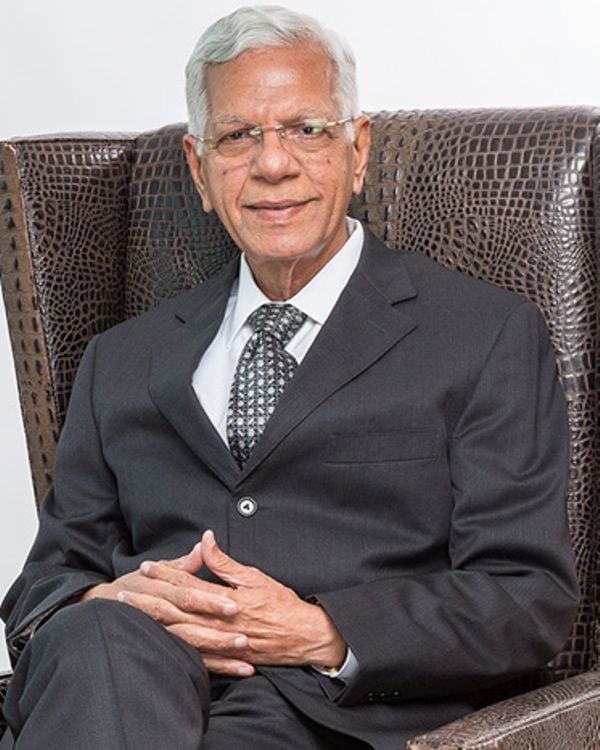 Celebrities
☑️Chandru Raheja
Chandru Lachmandas Raheja is an Indian businessman known for leading K. Raheja Corporation and for his long career in real estate, retail and hospitality.ト
Updated 2026-10-04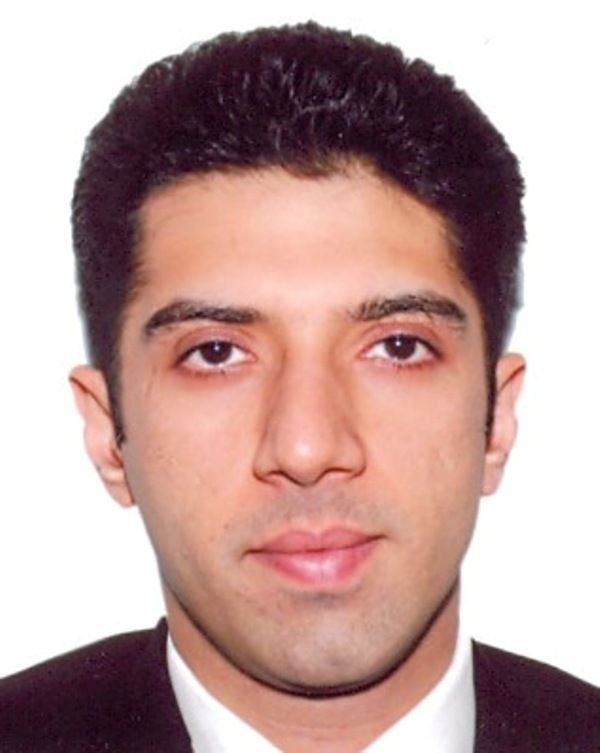 Celebrities
✅Neel Raheja
Neel Chandru Raheja is an Indian businessman who serves as Group President of K Raheja Corp. Born in Mumbai in 1974, he has guided the family's expansion—b
Updated 2026-10-04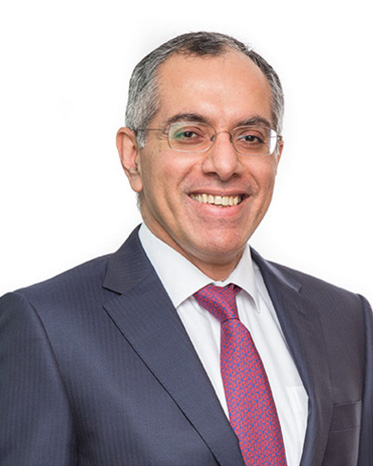 Celebrities
✅Ravi Raheja
Ravi Chandru Raheja is an Indian businessman known for his leadership role at K. Raheja Corporation. Born and raised in Mumbai, he holds degrees from the H
Updated 2026-10-04 Celebrities
6 Girlfriends Of Salman Khan
A look at six women who have been linked to Bollywood star Salman Khan over the years, from early romances to high-profile relationships that captured wide
Updated 2026-10-04