
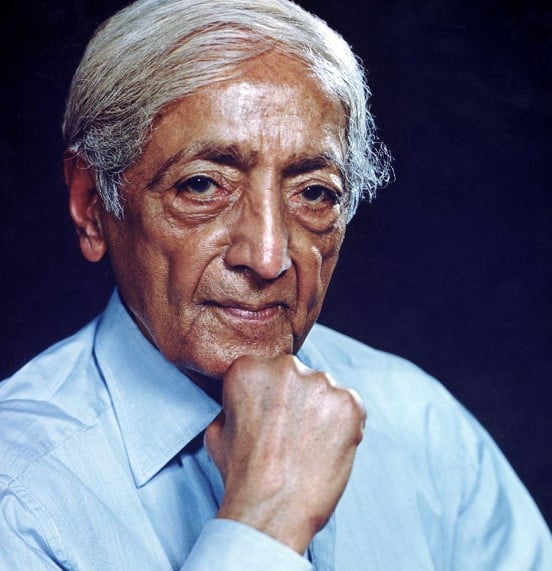
 Featured Biography
Image source: StarsUnfolded
Celebrities
Jiddu Krishnamurti Biography: Age, Career, Family and More
Quick Info
Date of birth11 May 1895
Age90 Years (at death)
BirthplaceMadanapalle, Madras Presidency, British India
ProfessionPhilosopher, Author, Public speaker
NationalityIndian
Marital statusUnmarried
FamilyFather - Jiddu Narayaniah; Mother - Sanjeevamma; Brother - Jiddu Nityananda; other siblings
Jiddu Krishnamurti Biography
Jiddu Krishnamurti (born 11 May 1895) was an Indian philosopher, speaker and author whose life moved from Theosophical grooming for a messianic role to an独
Early life and backgroundJiddu Krishnamurti was born into a Telugu-speaking Brahmin family in the Madras Presidency of British India. Sources in his life give 11 May 1895 as his date of birth. His parents were Jiddu Narayaniah, who worked for the British administration, and Sanjeevamma. He was one of eleven children, six of whom survived to adulthood. His mother died when he was ten, and childhood illness — notably recurring malaria — affected him for many years.
Krishnamurti grew up in a household that practiced vegetarianism, a habit he maintained throughout his life. After his father retired from British employment in 1907 the family moved to Adyar, the headquarters of the Theosophical Society, where his father found work as a clerk. This relocation brought Krishnamurti into close contact with leading theosophists and into an educational environment that emphasized languages, religion and spiritual training more than formal university study. He made attempts to enter university but eventually stopped pursuing higher education, focusing instead on learning foreign languages and practical instruction provided by his Theosophical mentors.
Career
Krishnamurti’s public life began after his discovery by members of the Theosophical Society. In 1909 he met Charles Webster Leadbeater, who believed Krishnamurti showed unusual spiritual qualities. Annie Besant became a central figure in his life and acted as a guardian and promoter; the Theosophical Society organized the Order of the Star in the East in 1911 with Krishnamurti positioned as its focal figure. That period included travel in Europe with his brother Nitya and other Theosophists, private tutoring, and preparing for a role that many within the society expected would be of global spiritual significance.
From his first public talk in London in 1911, Krishnamurti developed into a speaker and writer. Between 1911 and 1914 he travelled with the society across Europe, and after World War I he delivered lectures and participated in public discussions worldwide while serving as head of the Order of the Star in the East. Over time his speaking and writing became the main vehicle for his work.
His published books span many decades and include early works tied to his association with the Theosophical movement as well as later collections and reflections. Notable titles associated with him include At the Feet of the Master (1910), The Kingdom of Happiness (1928), The Pool of Wisdom (1928), The First and Last Freedom (1954), Commentaries on Living (1956–1960), Freedom from the Known (1969), Krishnamurti’s Notebook (1976), Krishnamurti’s Journal (1982), and Krishnamurti to Himself (1987). His work reached international audiences through lectures, books and discussions and influenced a range of readers and thinkers.
Personal life and relationships
Krishnamurti never married. Early in his life he had close relationships with people in his Theosophical circle. He formed a significant attachment to Annie Besant, who acted as a mother figure, and he and his brother became increasingly reliant on one another after being placed in Besant’s guardianship following legal disputes with their father.
In the 1920s he lived for extended periods in Ojai, California, where he and his brother had gone for health reasons. There he met Rosalind Williams and later developed a relationship with Helen Knothe in the early 1920s, though that relationship faded by the mid 1920s. His brother Nitya’s ill health, including tuberculosis, was an ongoing concern during these years.
Public profile
Krishnamurti’s beliefs and public statements often challenged established religious systems. He expressed skepticism about organized religion and the conditioning it can impose, and these themes recur through his lectures and writings. Those ideas, together with his personal history in the Theosophical Society, shaped a public profile that combined an early role as a theosophically endorsed figure with later independence as a philosopher and critic of spiritual authority.
Controversies and legal matters
Aspects of Krishnamurti’s organizational relationships became contentious later in his life. In the 1970s he engaged in legal action against close associates connected with the administration of his works and properties. The legal process began in 1971 and continued for several years; during the proceedings some belongings were returned to him while remaining matters were resolved after his death.
Later years and death
Krishnamurti continued to lecture and write for most of his life. He experienced a transformative series of events in Ojai in 1922 that he and others described as a profound spiritual or psychological change; intermittent recurrences of this condition, sometimes called "the process," were reported in later years. He died in Ojai, California on 17 February 1986 at the age of 90. The cause of death has been reported as pancreatic cancer.
Legacy
Krishnamurti’s books and recorded talks remain in circulation, and his educational ideas continue to guide schools established by his followers. His life is remembered for the journey from being prepared and presented by Theosophical authorities to becoming an independent speaker and writer who questioned spiritual authority and advocated personal inquiry.
Latest updates
No recent works beyond those listed in his bibliography are noted in the available material.
Editorial Review and Sources
This F4U profile is written from publicly available career and profile information, then reviewed for clarity before publication. If you spot an outdated detail about Jiddu Krishnamurti, send the page URL and a reliable correction source to f4udotin@gmail.com.
Reference context: StarsUnfoldedAccuracy
Request a Correction
Tell us what needs to be updated and share a reliable source so the editorial team can review it.
Ownership
Claim This Profile
If this profile is about you or your client, send your contact details and verification context.
Recent Work
Collection of personal writings published during his lifetime.
1982Posthumous compilation of reflections and notes.
1987Personal notebooks published as a book.
1976Career Highlights
- Chosen to lead the Order of the Star in the East (1911)
- Became an international lecturer and author after World War I
- Published influential books including The First and Last Freedom and Freedom from the Known
People Also Search For
Frequently Asked Questions
When was Jiddu Krishnamurti born?
Jiddu Krishnamurti was born on 11 May 1895.
What is Jiddu Krishnamurti known for?
Jiddu Krishnamurti is known for philosopher, Author, Public speaker.
What is Jiddu Krishnamurti’s marital status?
Jiddu Krishnamurti's marital status is listed as Unmarried.
Related Biographies
View all →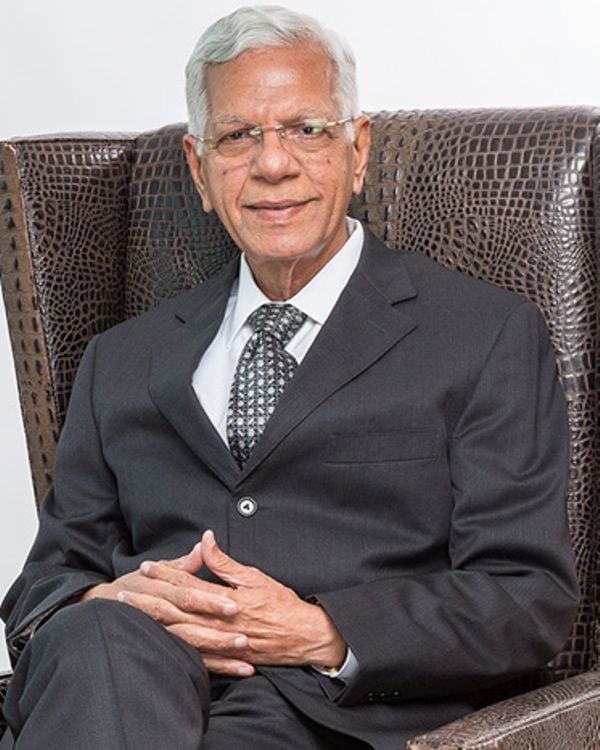 Celebrities
☑️Chandru Raheja
Chandru Lachmandas Raheja is an Indian businessman known for leading K. Raheja Corporation and for his long career in real estate, retail and hospitality.ト
Updated 2026-10-04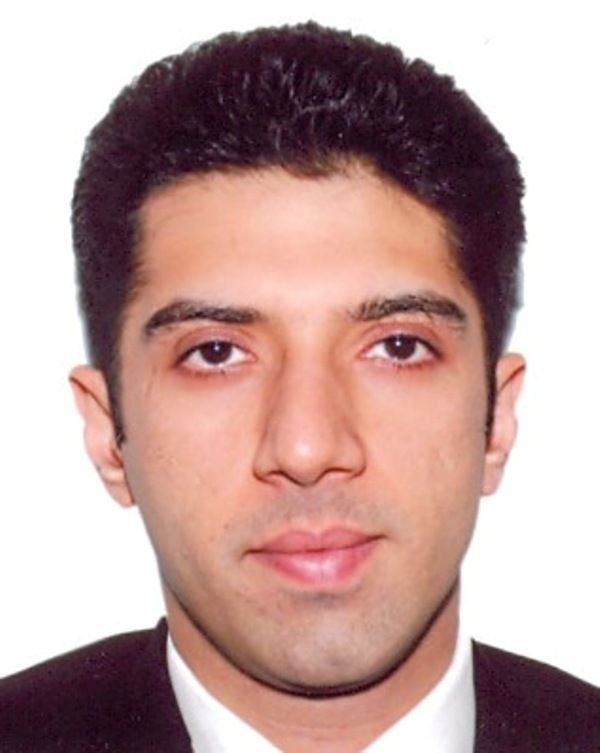 Celebrities
✅Neel Raheja
Neel Chandru Raheja is an Indian businessman who serves as Group President of K Raheja Corp. Born in Mumbai in 1974, he has guided the family's expansion—b
Updated 2026-10-04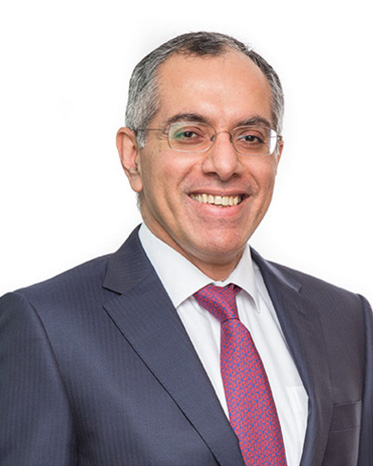 Celebrities
✅Ravi Raheja
Ravi Chandru Raheja is an Indian businessman known for his leadership role at K. Raheja Corporation. Born and raised in Mumbai, he holds degrees from the H
Updated 2026-10-04 Celebrities
6 Girlfriends Of Salman Khan
A look at six women who have been linked to Bollywood star Salman Khan over the years, from early romances to high-profile relationships that captured wide
Updated 2026-10-04