
 Featured Biography
Image source: StarsUnfolded
Celebrities
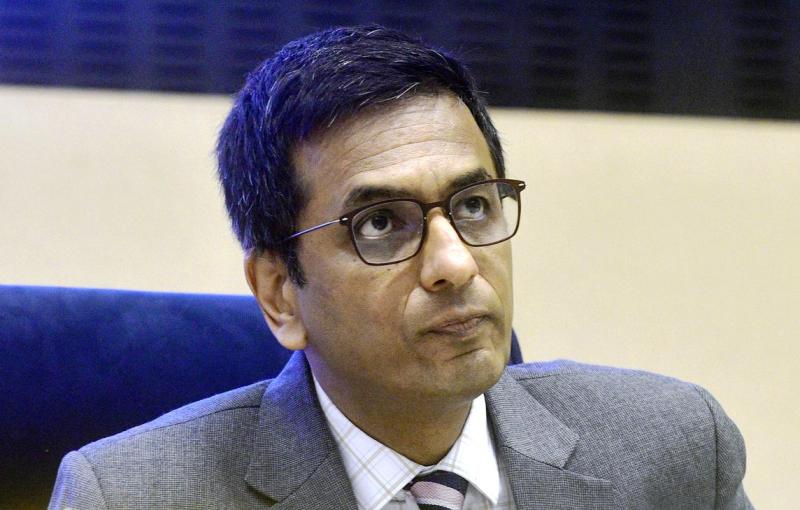
Justice DY Chandrachud Biography: Age, Career, Family and More
Quick Info
Age65 Years
BirthplaceMumbai
ProfessionLawyer
SpouseKalpana Das
FamilySon of former Chief Justice Y. V. Chandrachud
Justice DY Chandrachud Biography
Dhananjaya Yeshwant Chandrachud is an Indian jurist who served as the 50th Chief Justice of India. Across a judicial career spanning four decades, he has a
Early life and backgroundDhananjaya Yeshwant Chandrachud, commonly known as D.Y. Chandrachud, was born and raised in Mumbai. He is the son of former Chief Justice Y. V. Chandrachud. Married to Kalpana Das, Chandrachud pursued a career in law and entered judicial service in 1982. Over the years he built a reputation for landmark constitutional judgments and progressive interpretations of fundamental rights.
Career
Chandrachud’s judicial career extended from 1982 until 2024. He served as Additional Solicitor General of India from 1998 to 2000 before being elevated to the bench of the Bombay High Court on 29 March 2000. After more than a decade on the Bombay High Court, he was appointed the 45th Chief Justice of the Allahabad High Court, serving from 31 October 2013 to 12 May 2016.
He joined the Supreme Court of India as a judge on 13 May 2016 and later became the 50th Chief Justice of India, holding that office from 9 November 2022 to 10 November 2024. Across these roles he authored and was part of numerous significant rulings shaping contemporary Indian constitutional law.
Notable judgments and legal positions
Chandrachud participated in and authored opinions in several high-profile and influential judgments. He was one of the judges in the Right to Privacy decision, which recognized privacy as integral to life and personal liberty under Article 21 and as part of the freedoms guaranteed by Part III of the Constitution. In that judgment he addressed earlier precedents and emphasized the connection between dignity, privacy and individual choice.
He was a member of the five-judge bench that decriminalised consensual sexual relationships between adults by striking down parts of Section 377 of the Indian Penal Code in 2018. In the related Navtej Singh Johar judgment, Chandrachud highlighted the case’s broader significance for realizing constitutional rights and ensuring equal existence for LGBT citizens.
Chandrachud also authored opinions that expanded and clarified the scope of fundamental rights in other contexts. In Deepika Singh v. Central Administrative Tribunal (2022) he articulated a broad and inclusive understanding of family structures, recognizing domestic partnerships and queer relationships as legitimate familial forms. In a three-judge bench decision on abortion rights, he helped secure access to safe and legal abortion up to 24 weeks for all women regardless of marital status, and that ruling acknowledged that sexual assault within marriage can amount to rape.
He was part of the five-judge bench that struck down the adultery law (Section 497 of the IPC), holding that the provision violated constitutional guarantees of liberty, dignity and equality by denying women sexual autonomy. In the Sabarimala matter he was among the majority that found exclusion of women of menstrual age from worship to be contrary to constitutional rights.
Chandrachud’s judgments have also addressed freedom of expression and state action. He wrote for the Court in a case that found the West Bengal government’s ban on the film Bhobishyoter Bhoot to be unconstitutional, ordering compensation for the restriction on expression. In a media-related dispute concerning a programme alleged to make communal generalizations, a bench led by him emphasised that journalistic freedom must be exercised responsibly and cautioned against offensive portrayals of entire communities.
On issues of gender equality within the armed forces, he formed part of the bench that directed the government to grant permanent commissions to women officers, noting the need to discard entrenched stereotypes and to ensure equal opportunity in command positions. He also gave relief to women in related services such as the Navy.
Public profile
Chandrachud’s judicial approach is marked by expansive readings of equality, dignity and privacy. He has engaged directly with earlier precedents, including decisions authored by his father, and his opinions frequently foreground rights-based protections for marginalized groups. His tenure on the Supreme Court and as Chief Justice saw rulings that touched on criminal law, personal liberty, gender equality, family law, freedom of speech and administrative fairness.
Latest updates
As Chief Justice of India, Chandrachud delivered the Court’s decision in October 2023 on petitions seeking legal recognition of same-sex marriage. The Court declined to read such recognition into existing law, noting that legislative change to the Special Marriage Act falls within Parliament’s domain. In the same period he also invalidated a Central Adoption Resource Authority regulation that restricted adoption by queer and unmarried couples.
Across a career spanning more than four decades, D.Y. Chandrachud has consistently featured in constitutional controversies that shape public debate on rights, equality and the role of courts in a democratic republic.
Editorial Review and Sources
This F4U profile is written from publicly available career and profile information, then reviewed for clarity before publication. If you spot an outdated detail about Justice DY Chandrachud, send the page URL and a reliable correction source to f4udotin@gmail.com.
Reference context: StarsUnfoldedAccuracy
Request a Correction
Tell us what needs to be updated and share a reliable source so the editorial team can review it.
Ownership
Claim This Profile
If this profile is about you or your client, send your contact details and verification context.
Recent Work
Served as Chief Justice of India from 9 November 2022 to 10 November 2024.
2022-2024Served as a Supreme Court judge from 13 May 2016 to 9 November 2022; authored and joined multiple landmark constitutional judgments.
2016-2022Served as Chief Justice of Allahabad High Court from 31 October 2013 to 12 May 2016.
2013-2016Career Highlights
- Authored and participated in the Right to Privacy verdict recognizing privacy as integral to Article 21.
- Part of the five-judge bench that decriminalised consensual adult same-sex relations (Section 377) in 2018.
- Contributed to landmark rulings expanding definitions of family and protecting abortion rights irrespective of marital status.
- Part of benches that struck down the adultery law and that ruled against gender-based exclusion at Sabarimala.
- Directed gender-equality measures in the armed forces, granting permanent commissions to women officers.
Frequently Asked Questions
What is Justice DY Chandrachud known for?
Justice DY Chandrachud is known for lawyer.
Who is Justice DY Chandrachud married to?
Justice DY Chandrachud is publicly listed as married to Kalpana Das.
Related Biographies
View all →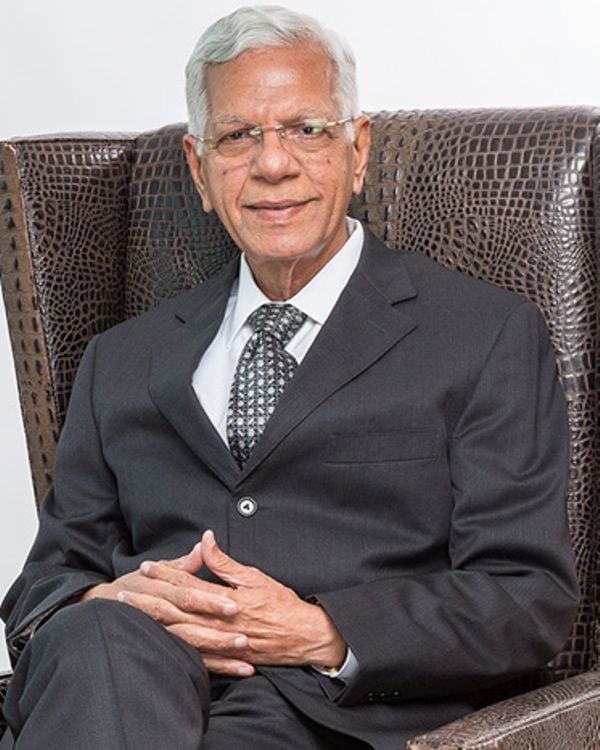 Celebrities
☑️Chandru Raheja
Chandru Lachmandas Raheja is an Indian businessman known for leading K. Raheja Corporation and for his long career in real estate, retail and hospitality.ト
Updated 2026-10-04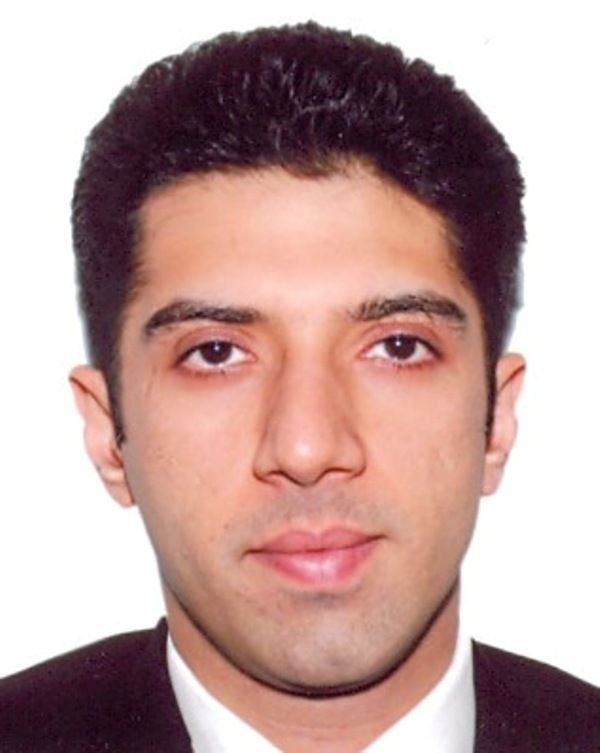 Celebrities
✅Neel Raheja
Neel Chandru Raheja is an Indian businessman who serves as Group President of K Raheja Corp. Born in Mumbai in 1974, he has guided the family's expansion—b
Updated 2026-10-04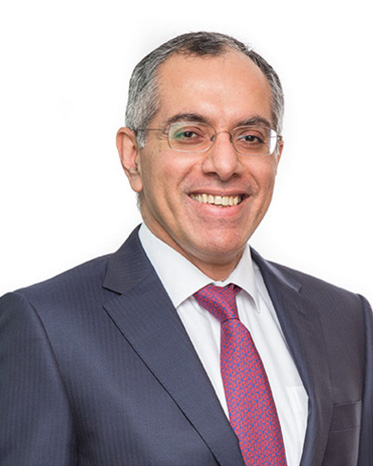 Celebrities
✅Ravi Raheja
Ravi Chandru Raheja is an Indian businessman known for his leadership role at K. Raheja Corporation. Born and raised in Mumbai, he holds degrees from the H
Updated 2026-10-04 Celebrities
6 Girlfriends Of Salman Khan
A look at six women who have been linked to Bollywood star Salman Khan over the years, from early romances to high-profile relationships that captured wide
Updated 2026-10-04