
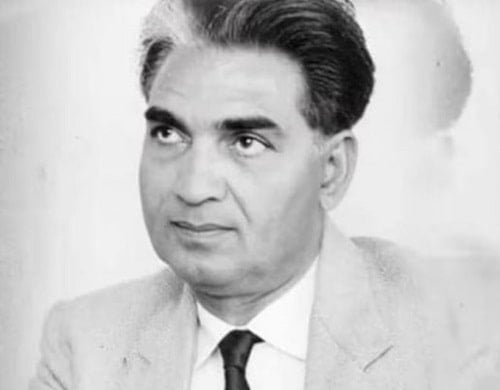
 Featured Biography
Image source: StarsUnfolded
Quick Info
Date of birth17 January 1918
Age75 Years (at time of death)
BirthplaceAmroha, United Provinces of Agra and Oudh, British India (now Uttar Pradesh, India)
ProfessionFilm Director, Screenwriter, Poet
NationalityIndian
Marital statusMarried
SpouseBilkis Bano; Mehmoodi; Meena Kumari; later Deep Kaur
FamilySons: Shandaar Amrohi, Tajdar Amrohi; Daughter: Rukhsar Amrohi
Kamal Amrohi Biography
Kamal Amrohi was an Indian film director, screenwriter and poet whose work shaped Hindi cinema across several decades. Born Syed Amir Haider Kamal Naqvi in
Early life and backgroundSyed Amir Haider Kamal Naqvi, widely known as Kamal Amrohi, was born on 17 January 1918 in Amroha, in what was then the United Provinces of Agra and Oudh (now Uttar Pradesh). He completed college studies at Oriental College, Punjab University in Lahore and graduated in Persian and Urdu. Fluent in several languages including Urdu, Hindi, Persian and Arabic, he began his creative life as an Urdu short story writer and poet before moving into films.
As a young man he left home for Lahore at 16 and started writing for an Urdu magazine. Later he relocated to Bombay (Mumbai), where he connected with established film figures and moved into screenwriting. His early ambition was to turn stories into films, and his literary grounding informed much of his later filmmaking work.
Career
Kamal Amrohi’s film career began in the late 1930s as a story, dialogue and screenplay writer. Early credits include story and writing work on films such as Jailor (1938), Chhalia (1938), Pukar (1939), Prem Ki Jyot (1939) and Main Hari (1940). He made his directorial debut with Mahal (1949), a film that marked his transition from writer to director.
Over the following decades Amrohi worked in multiple creative roles across Indian cinema: director, screenwriter, dialogue writer, lyricist and producer. Notable directorial projects listed in his filmography include Daaera (1953), Pakeezah (1972), the unreleased Majnoon (1979) and Razia Sultan (1983). He produced films such as Daaera and Pakeezah, and contributed screenplays for Mahal (1949), Pakeezah (1972) and Razia Sultan (1983). His dialogue writing credits feature titles including Mazaaq (1943), Phool (1945), Saqi (1952), Mughal-E-Azam (1960) and Shankar Hussain (1977). He also wrote lyrics for Pakeezah and Shankar Hussain and later collaborated on a song for the Indo-Canadian film Such a Long Journey (1998).
Amrohi received industry recognition during his career: he won the Filmfare Award for Best Dialogue in 1961 for Mughal-e-Azam and earned a nomination for the Filmfare Award for Best Director in 1972 for Pakeezah.
Studio ventures
In 1953 he established a production house, Kamal Pictures (also referred to as Mahal Films). Ambitious to build a full-scale filmmaking complex, Amrohi launched Kamal Amrohi Studios in 1958 on a 15-acre site in Jogeshwari East, Mumbai. The studio offered multiple sets, soundstages and post-production facilities and served as a creative centre for filmmakers and technicians. Financial pressures and changes in the industry led to the studio’s decline; after Amrohi’s death the property passed to his children and was later sold to a developer.
Personal life and relationships
Kamal Amrohi was married three times. His first wife was Bilkis Bano; his second was Mehmoodi, described as a cousin; and his third marriage was to actress Meena Kumari, solemnised privately on 14 February 1952. He had two sons, Shandaar Amrohi and Tajdar Amrohi, both of whom worked as film directors, and a daughter, Rukhsar Amrohi, who is an author.
Controversies and later years
Public accounts record friction and allegations within Amrohi’s marriage to Meena Kumari, including claims of domestic discord. Different sources report on episodes of separation and reconciliation; some relatives and associates disputed or refuted particular versions of those events. After Meena Kumari’s death Amrohi lived with his second wife Mehmoodi; following her death in 1982 he married his physician, Deep Kaur.
Amrohi continued to conceptualise film projects late in life. He had begun work on a screenplay titled Aakhri Mughal before his death. Filmmaker J P Dutta later considered reviving that project in the late 1990s, an effort that did not come to fruition.
Public profile
Kamal Amrohi was known for a commanding personal presence and for his devotion to certain collaborators, notably the singer Lata Mangeshkar, whom he frequently sought for playback work in his films. Observers of his career noted his long-standing influence on Hindi cinema.
He died in Mumbai on 11 February 1993 at the age of 75 and was buried at Rehmatabad Qabristan in Mumbai. In 2013 India Post issued a commemorative stamp in his name, and in 2022 a web series based on his relationship with Meena Kumari and the making of Pakeezah was announced by Saregama and his grandson Bilal Amrohi.
Latest updates
A web series exploring the love story between Kamal Amrohi and Meena Kumari, set against the backdrop of Pakeezah, was announced in February 2022. Beyond that announcement, several of Amrohi’s films and his studio legacy continue to be discussed in retrospectives of Hindi cinema.
Editorial Review and Sources
This F4U profile is written from publicly available career and profile information, then reviewed for clarity before publication. If you spot an outdated detail about Kamal Amrohi, send the page URL and a reliable correction source to f4udotin@gmail.com.
Reference context: StarsUnfoldedAccuracy
Request a Correction
Tell us what needs to be updated and share a reliable source so the editorial team can review it.
Ownership
Claim This Profile
If this profile is about you or your client, send your contact details and verification context.
Recent Work
Director, screenplay writer and producer of the 1972 film Pakeezah.
1972Director and screenplay writer for the 1983 film Razia Sultan.
1983Director and producer of the 1953 film Daaera.
1953Career Highlights
- Directed Mahal (1949) and Pakeezah (1972)
- Won Filmfare Award for Best Dialogue for Mughal-e-Azam (1961)
- Founded Kamal Amrohi Studios and Kamal Pictures (Mahal Films)
- Worked across roles as director, screenwriter, dialogue writer and lyricist
People Also Search For
Frequently Asked Questions
When was Kamal Amrohi born?
Kamal Amrohi was born on 17 January 1918.
What is Kamal Amrohi known for?
Kamal Amrohi is known for film Director, Screenwriter, Poet.
What is Kamal Amrohi’s marital status?
Kamal Amrohi's marital status is listed as Married.
Who is Kamal Amrohi married to?
Kamal Amrohi is publicly listed as married to Bilkis Bano; Mehmoodi; Meena Kumari; later Deep Kaur.
Related Biographies
View all →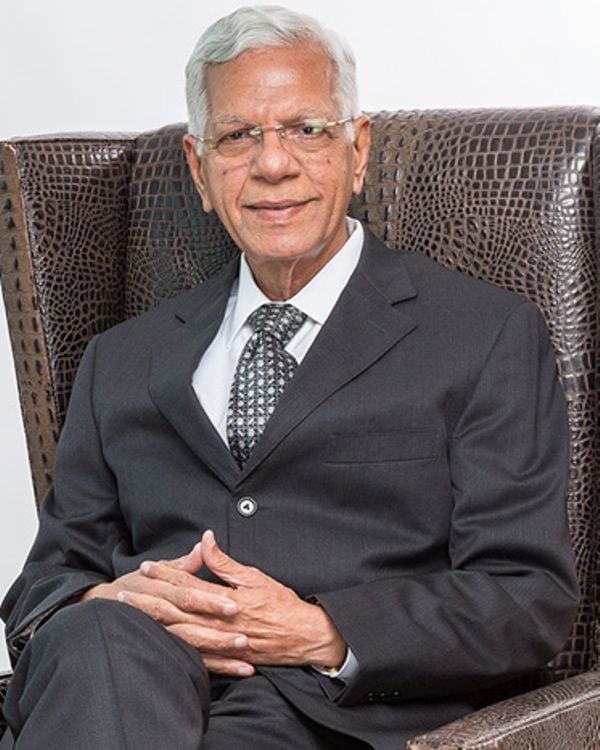 Celebrities
☑️Chandru Raheja
Chandru Lachmandas Raheja is an Indian businessman known for leading K. Raheja Corporation and for his long career in real estate, retail and hospitality.ト
Updated 2026-10-04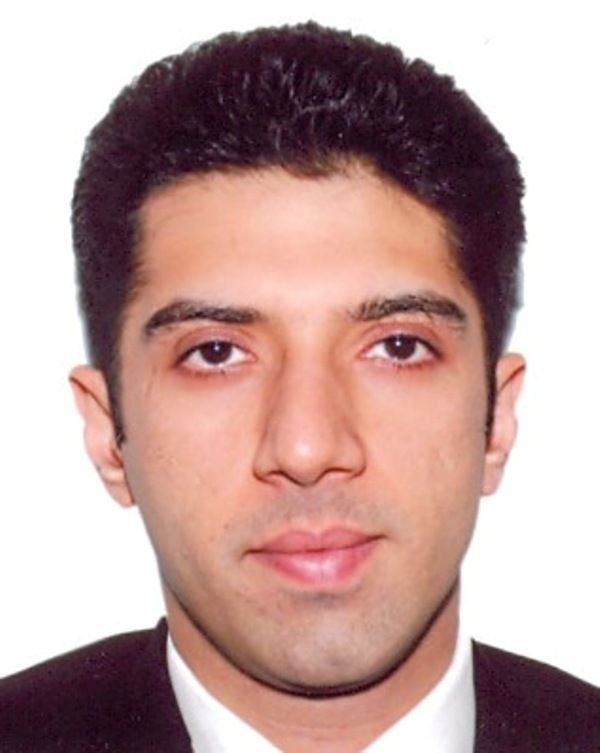 Celebrities
✅Neel Raheja
Neel Chandru Raheja is an Indian businessman who serves as Group President of K Raheja Corp. Born in Mumbai in 1974, he has guided the family's expansion—b
Updated 2026-10-04 Celebrities
✅Ravi Raheja
Ravi Chandru Raheja is an Indian businessman known for his leadership role at K. Raheja Corporation. Born and raised in Mumbai, he holds degrees from the H
Updated 2026-10-04 Celebrities
6 Girlfriends Of Salman Khan
A look at six women who have been linked to Bollywood star Salman Khan over the years, from early romances to high-profile relationships that captured wide
Updated 2026-10-04