
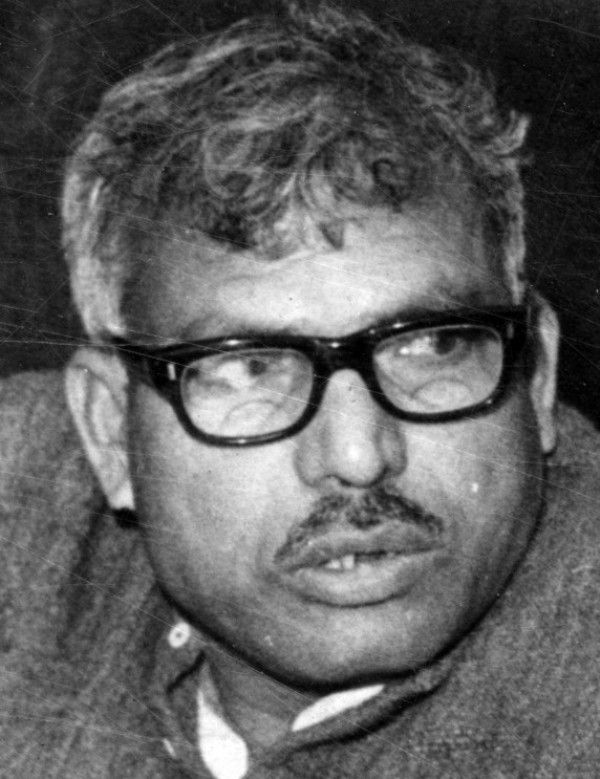
 Featured Biography
Image source: StarsUnfolded
Quick Info
Date of birth24 January 1924
Age64 Years (at death)
BirthplacePitaunjhia village (now Karpoorigram), Samastipur, Bihar, India
ProfessionPolitician; Freedom Fighter
NationalityIndian
Marital statusMarried
SpousePhooleshwari Devi
FamilyTwo sons and one daughter; father Gokul Thakur; mother Ramdulari Devi
Karpoori Thakur Biography
Karpoori Thakur was an Indian freedom fighter and socialist politician from Bihar who served twice as the state's Chief Minister. A leader identified with,
Early life and backgroundKarpoori Thakur was born on 24 January 1924 in Pitaunjhia village in Samastipur, Bihar (the village was renamed Karpoorigram after his death). He came from a family whose traditional occupation was barbery; his father, Gokul Thakur, worked as a barber and farmer and his mother was Ramdulari Devi. Thakur completed his schooling at a local village school and passed the 10th standard with first division. He later enrolled at C.M. College, Darbhanga, to pursue a Bachelor of Arts but left college after being influenced by socialist leaders and activists.
Thakur’s early political consciousness grew through participation in the independence movement. He attended rallies in the late 1930s and was involved in activities that led to his imprisonment for 26 months between 1942 and 1945. Before committing fully to politics he taught at a local school and helped establish a village library while he was still a student.
Career
Karpoori Thakur’s formal electoral career began in 1952 when he was first elected to the Bihar Legislative Assembly from the Tajpur constituency as a Socialist Party candidate. Over the next three decades he held both legislative assembly and parliamentary seats, representing constituencies in and around Samastipur at different times.
In the late 1960s he entered state-level executive office, serving as Deputy Chief Minister and Education Minister of Bihar from March 1967 to January 1968. As Education Minister he introduced measures that shifted emphasis toward Hindi, made education free through the eighth standard, and removed English as a compulsory subject. He also played a role in making Urdu the second state language of Bihar.
Thakur first became Chief Minister of Bihar on 22 December 1970. During that tenure he introduced prohibition of liquor in the state and pursued land-reform measures aimed at peasants and small farmers. He resumed the role of Chief Minister for a second term beginning 24 June 1977; this government attempted to implement recommendations of the Mungeri Lal Commission to expand reservation for backward castes in government jobs. That approach came to be widely known as the Karpoori Formula and was a defining element of his political legacy.
At the national level, Thakur was elected to the Lok Sabha in 1977 from Samastipur, reflecting his prominence in the post-Emergency political landscape. He also returned to state politics in 1980 and 1985, winning assembly seats as party alignments shifted over time. Throughout his career he was associated with several parties including the Socialist Party, Bharatiya Kranti Dal, Janata Party, and Lok Dal.
Public profile
Thakur cultivated an image as a leader of the poor and of backward-caste communities. He was known for simple living—stories from his life describe him sleeping on the floor at the chief minister’s residence rather than using a bed and giving away a coat gifted to him during a parliamentary visit abroad. He led strikes and fasts in support of workers and employees, including a prolonged fast related to demands of Tata factory workers in Jamshedpur.
His tenure and methods inspired both followers and opponents. He took controversial policy decisions such as proposals to arm socially vulnerable groups for self-protection during a period of high caste-related violence, a move he later reversed amid political pushback. Thakur also attempted to break caste barriers through personal interventions, publicly supporting intercaste marriages and challenging discriminatory social practices.
Several public institutions and initiatives have honored his memory in Bihar: colleges, schools and stadiums bear his name, and a train service was named Jan Nayak Express in his recognition. Posthumous government recognitions include a commemorative postage stamp and, in 2024, the Bharat Ratna.
Personal life
Karpoori Thakur was married to Phooleshwari Devi and had three children—two sons and a daughter. His elder son, Ram Nath Thakur, followed him into politics and served as a Member of Parliament in the Rajya Sabha. His younger son, Birendra (also spelled Virendra) Kumar Thakur, became a doctor. Thakur’s extended family and descendants include grandchildren and great-grandchildren who pursued careers in medicine, public service and government.
Controversies
During the 1970s Thakur faced a serious allegation of sexual assault; a case was filed but later dismissed by the courts, with judges observing that the charges appeared politically motivated. Thakur consistently denied the allegations and described them as attempts by rivals to damage his reputation.
Death and legacy
Karpoori Thakur died on 17 February 1988 in Patna, Bihar, at the age of 64 due to cardiac arrest. His birthplace was later renamed in his honor and his life continues to be commemorated across Bihar through institutions, memorials and government recognitions.
Editorial Review and Sources
This F4U profile is written from publicly available career and profile information, then reviewed for clarity before publication. If you spot an outdated detail about Karpoori Thakur, send the page URL and a reliable correction source to f4udotin@gmail.com.
Reference context: StarsUnfoldedAccuracy
Request a Correction
Tell us what needs to be updated and share a reliable source so the editorial team can review it.
Ownership
Claim This Profile
If this profile is about you or your client, send your contact details and verification context.
Recent Work
Awarded India’s highest civilian honour in 2024.
2024Commemorative postage stamp released in 1991 and again in 2024; a Rupees 100 commemorative coin launched in 2024.
1991/2024Career Highlights
- Elected MLA for the first time in 1952 from Tajpur constituency
- Deputy Chief Minister and Education Minister of Bihar (5 March 1967 – 31 January 1968)
- Chief Minister of Bihar (22 December 1970 – 2 June 1971)
- Elected MP from Samastipur in 1977
- Chief Minister of Bihar (24 June 1977 – 21 April 1979)
- Implemented educational and land-reform policies; championed reservations for backward castes (Karpoori Formula)
People Also Search For
Frequently Asked Questions
When was Karpoori Thakur born?
Karpoori Thakur was born on 24 January 1924.
What is Karpoori Thakur known for?
Karpoori Thakur is known for politician; Freedom Fighter.
What is Karpoori Thakur’s marital status?
Karpoori Thakur's marital status is listed as Married.
Who is Karpoori Thakur married to?
Karpoori Thakur is publicly listed as married to Phooleshwari Devi.
Related Biographies
View all →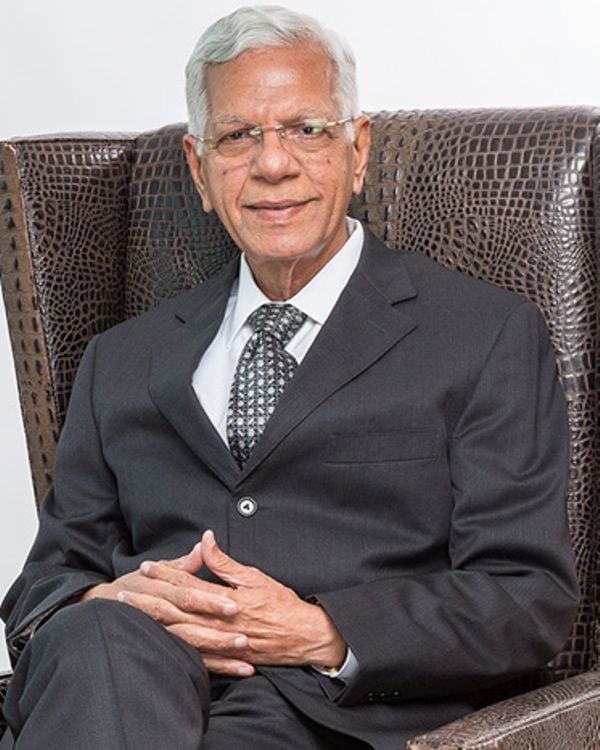 Celebrities
☑️Chandru Raheja
Chandru Lachmandas Raheja is an Indian businessman known for leading K. Raheja Corporation and for his long career in real estate, retail and hospitality.ト
Updated 2026-10-04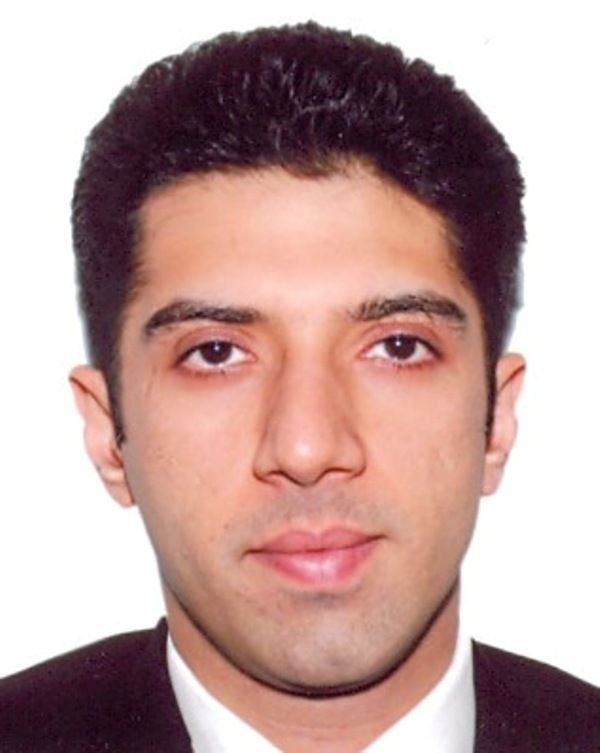 Celebrities
✅Neel Raheja
Neel Chandru Raheja is an Indian businessman who serves as Group President of K Raheja Corp. Born in Mumbai in 1974, he has guided the family's expansion—b
Updated 2026-10-04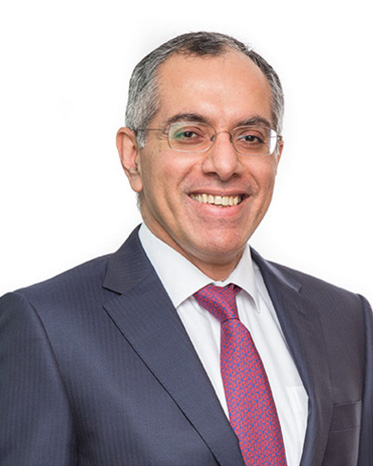 Celebrities
✅Ravi Raheja
Ravi Chandru Raheja is an Indian businessman known for his leadership role at K. Raheja Corporation. Born and raised in Mumbai, he holds degrees from the H
Updated 2026-10-04 Celebrities
6 Girlfriends Of Salman Khan
A look at six women who have been linked to Bollywood star Salman Khan over the years, from early romances to high-profile relationships that captured wide
Updated 2026-10-04