
 Featured Biography
Image source: StarsUnfolded
Celebrities
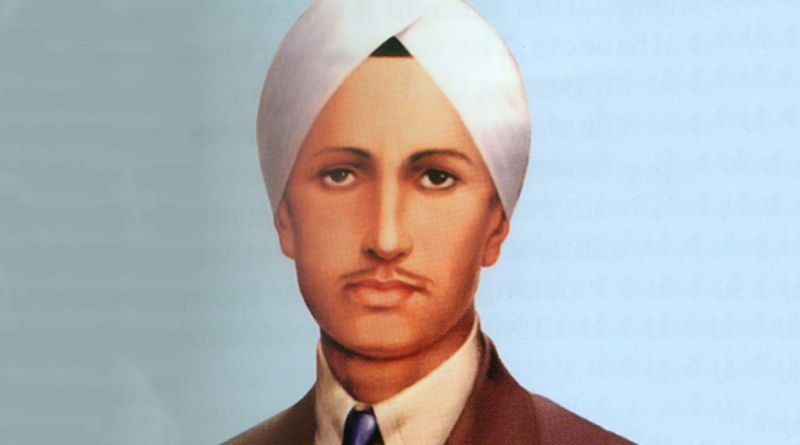
Kartar Singh Sarabha Biography: Age, Career, Family and More
Quick Info
Date of birth24 May 1896
Age19 Years (at time of death)
BirthplaceSarabha, Punjab Province, British India
ProfessionFreedom Fighter
NationalityBritish Indian
Marital statusUnmarried
FamilyFather: Mangal Singh; Mother: Sahib Kaur; Only son
Kartar Singh Sarabha Biography
Kartar Singh Sarabha was a young Punjabi Sikh revolutionary and an active member of the Ghadar Party. Born in 1896 in Sarabha village, he became involvedin
Early life and backgroundKartar Singh Sarabha was born on 24 May 1896 in the village of Sarabha in the Punjab Province of British India. He was the only son of Mangal Singh and Sahib Kaur and was raised in his ancestral village after the early death of his father. Kartar completed middle-standard schooling at Malwa Khalsa High School in Ludhiana and later finished his matriculation while staying with relatives in Cuttack, Odisha.
As a teenager he traveled to the United States in July 1912 with the intention of pursuing further studies. Records about his enrolment at the University of California, Berkeley, are inconsistent: some accounts place him in student circles at Berkeley and connected to the Nalanda club of Indian students, while other contemporary college records do not list his name. During his time in America he is reported to have worked in mills and to have encountered the harsh treatment faced by Indian immigrants, an experience that intensified his political convictions.
Career
In San Francisco Kartar joined the newly formed Ghadar Party, established on 15 July 1913 by Indian expatriates who aimed to end British colonial rule in India. He quickly became one of the party’s most energetic members. He helped produce the Punjabi Gurmukhi edition of the party’s newspaper, The Ghadar, and contributed articles and patriotic poetry intended to inspire Indians at home and abroad.
Kartar learned arms and related skills while in North America and used those abilities to support the party’s plans. When the First World War began, the Ghadar leadership saw an opportunity to foment revolt in India. In late 1914 Kartar travelled from North America to India with other Ghadar activists. He met Indian revolutionary leaders and communicated plans for uprisings among soldiers and civilians.
A planned uprising in February 1915 was betrayed by an informer and many revolutionaries were arrested or otherwise thwarted. Kartar and several comrades were ordered to leave India, but he returned instead, driven by a sense of duty to his fellow revolutionaries. He resumed work to raise support and spread the call for revolt in Punjab, activities that led to his arrest by a member of the British Indian Army in March 1915.
During his trial Kartar refused to characterize his actions as mere conspiracy. He framed them as an open challenge to colonial rule and asserted the legitimacy of resisting oppression. He rejected calls to recant and took responsibility for the movement’s actions. Held in Lahore Central Jail, he attempted to escape but was discovered; while imprisoned he reportedly gained weight, an observation noted by contemporaries as a sign of his resilience.
On 16 November 1915 Kartar Singh Sarabha was executed by hanging in Lahore Central Jail. He was 19 years old.
Public profile
Kartar Singh Sarabha is remembered as one of the young, committed figures of the early revolutionary movement against British rule. His work with the Ghadar Party—editing and writing for The Ghadar newspaper and organizing among the diaspora and in India—marked him as a prominent voice for armed resistance during that period.
His example influenced later Indian revolutionaries; Bhagat Singh kept a photograph of Kartar Singh Sarabha and called him a hero and a companion. That connection has been cited by family members of Bhagat Singh and by later commentators as a sign of Kartar’s continuing symbolic importance to succeeding generations of activists.
Latest updates
Historical accounts note the Ghadar Party’s multilingual newspaper began publication on 1 November 1913 and that the party’s activities in 1914–1915 culminated in plans for coordinated uprisings that were largely suppressed after an informer revealed details to the authorities. Kartar’s return to India after being ordered to leave, his subsequent arrest, and his conduct at trial are consistently recorded as central episodes in his brief life as a revolutionary.
Kartar’s personal details—birth on 24 May 1896, place of birth in Sarabha village, schooling in Ludhiana and Cuttack, parents’ names, and execution on 16 November 1915 in Lahore—remain the core factual elements preserved in historical records and retellings of the Ghadar movement.
Editorial Review and Sources
This F4U profile is written from publicly available career and profile information, then reviewed for clarity before publication. If you spot an outdated detail about Kartar Singh Sarabha, send the page URL and a reliable correction source to f4udotin@gmail.com.
Reference context: StarsUnfoldedAccuracy
Request a Correction
Tell us what needs to be updated and share a reliable source so the editorial team can review it.
Ownership
Claim This Profile
If this profile is about you or your client, send your contact details and verification context.
Recent Work
Contributed articles, poetry and helped administer and operate the Ghadar Party's Punjabi newspaper.
1913Career Highlights
- Active member of the Ghadar Party from its early days in San Francisco (1913)
- Contributor and administrator for the Gurmukhi edition of The Ghadar newspaper
- Traveled from North America to India in 1914 to assist revolutionary efforts
- Arrested in 1915 and executed in Lahore Central Jail at age 19
Frequently Asked Questions
When was Kartar Singh Sarabha born?
Kartar Singh Sarabha was born on 24 May 1896.
What is Kartar Singh Sarabha known for?
Kartar Singh Sarabha is known for freedom Fighter.
What is Kartar Singh Sarabha’s marital status?
Kartar Singh Sarabha's marital status is listed as Unmarried.
Related Biographies
View all →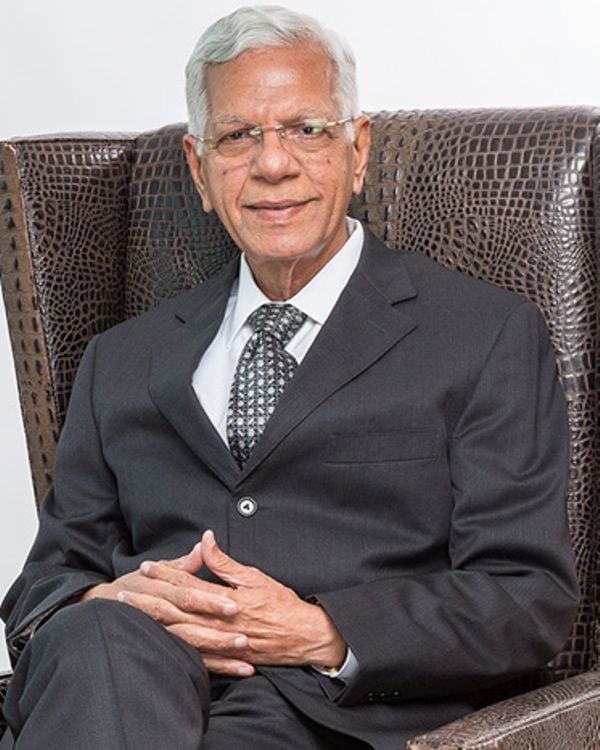 Celebrities
☑️Chandru Raheja
Chandru Lachmandas Raheja is an Indian businessman known for leading K. Raheja Corporation and for his long career in real estate, retail and hospitality.ト
Updated 2026-10-04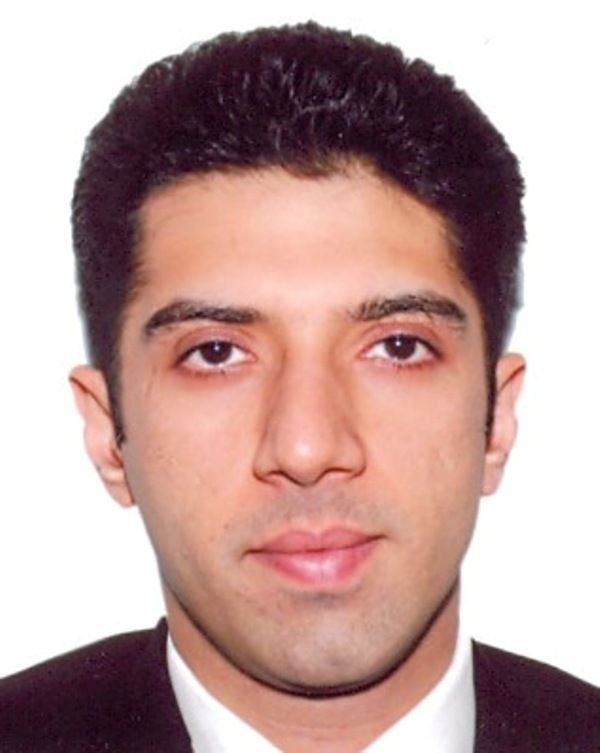 Celebrities
✅Neel Raheja
Neel Chandru Raheja is an Indian businessman who serves as Group President of K Raheja Corp. Born in Mumbai in 1974, he has guided the family's expansion—b
Updated 2026-10-04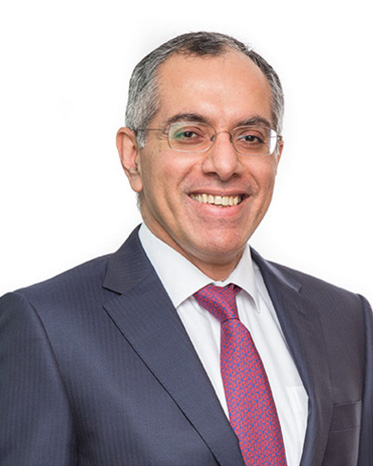 Celebrities
✅Ravi Raheja
Ravi Chandru Raheja is an Indian businessman known for his leadership role at K. Raheja Corporation. Born and raised in Mumbai, he holds degrees from the H
Updated 2026-10-04 Celebrities
6 Girlfriends Of Salman Khan
A look at six women who have been linked to Bollywood star Salman Khan over the years, from early romances to high-profile relationships that captured wide
Updated 2026-10-04