
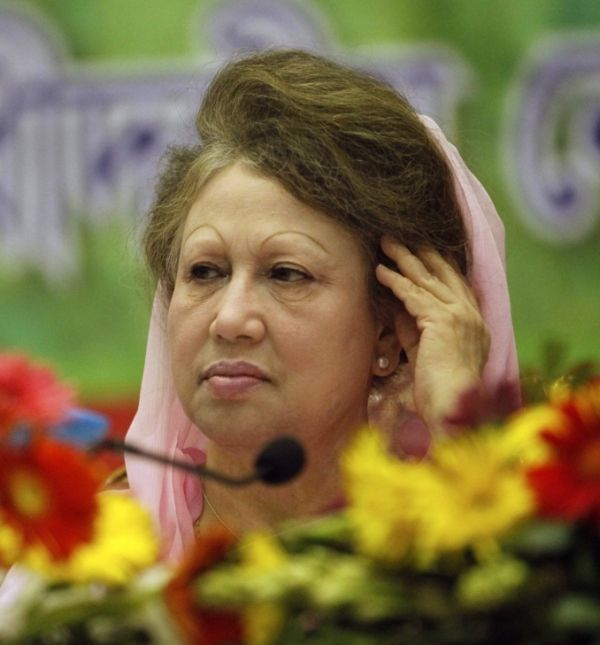
 Featured Biography
Image source: StarsUnfolded
Quick Info
Age80 Years (at time of death)
BirthplaceDinajpur, Bengal Presidency, British India
ProfessionPolitician
NationalityBangladeshi
Marital statusWidow (at time of death)
SpouseZiaur Rahman
FamilyParents: Iskandar Majumder and Taiyaba Majumder; siblings include Sayeed Iskander and Khurshid Jahan
Khaleda Zia Biography
Khaleda Zia was born into a business family in Dinajpur, then part of the Bengal Presidency under British India. Records offer differing dates for her birth in August and September 1945; various official documents and her own statements list multiple dates.
Early life and backgroundKhaleda Zia was born into a business family in Dinajpur, then part of the Bengal Presidency under British India. Records offer differing dates for her birth in August and September 1945; various official documents and her own statements list multiple dates. Her parents were Iskandar Majumder and Taiyaba Majumder, and she grew up in what is now north-western Bangladesh.
In 1960 she married Ziaur Rahman, who later became the seventh president of Bangladesh. After his assassination in 1981, Khaleda Zia emerged as a central figure in the political party he had founded and took on leadership responsibilities within it.
Career
Khaleda Zia’s political career was closely tied to the Bangladesh Nationalist Party, which she has led since becoming its chairperson in August 1984. She won election to office for the first time in February 1991 and that year became the country’s first female prime minister, sworn in on 20 March 1991. Her premiership marked Bangladesh’s return to a parliamentary-style governance arrangement later that year.
She served as prime minister for three separate terms, holding office from 1991 to 1996, returning to lead the opposition between 1996 and 2001, and again serving as prime minister from 2001 until 2006. Her time in office saw efforts to stimulate domestic economic growth and to attract foreign investment. Under her leadership the BNP also formed electoral alliances, including a four-party coalition in 1999.
Between terms she twice served as leader of the opposition, from 1996 to 2001 and again from 2008 to 2014. Her political life included repeatedly contesting policies and governance of rivals, most notably the Awami League and its leader Sheikh Hasina.
Political positions and controversies
Khaleda Zia was a polarizing figure in Bangladeshi politics. She and her party were criticized at times for alliances with other parties whose wartime positions in 1971 were controversial. Legal and corruption cases later became significant elements of her public record: she was convicted in cases involving charitable funds, and in 2018 received multi-year prison sentences in connection with those cases.
Public profile
Khaleda Zia was widely recognized as a leading figure in Bangladesh for decades. In 2011 she received recognition from the New Jersey State Senate as a "Fighter for Democracy." She frequently traveled abroad during her premiership, including visits to Saudi Arabia, China, and India. Her opposition to autocratic rule in earlier decades included protests that led to multiple detentions under the regime of Hussain Muhammad Ershad.
Health and final years
From 2021 onward Khaleda Zia experienced a series of serious health problems, including chronic kidney disease, liver disease, unstable haemoglobin, diabetes, rheumatoid arthritis, and other age-related complications. She received treatment at Evercare Hospital in Dhaka on multiple occasions in 2021, and a medical board confirmed she had liver cirrhosis in late November of that year. In January 2022 she spent time in intensive cardiac care.
In January 2025 she was flown to London in a specially arranged air ambulance for advanced medical treatment and was admitted to The London Clinic. Later in 2025 she was hospitalized again in Dhaka and was designated a VVIP with Special Security Force protection. On 30 December 2025 the Bangladesh Nationalist Party announced that Khaleda Zia died at Evercare Hospital in Dhaka after a prolonged illness.
Latest updates
Khaleda Zia’s death on 30 December 2025 marked the end of a lengthy and contentious public life. Her passing was announced by her political party and occurred following a period of repeated hospitalizations and long-term medical care. She left behind a complex legacy as a trailblazing female leader who was also at the center of political disputes and legal challenges.
Editorial Review and Sources
This F4U profile is prepared from the public references listed below and reviewed for clarity. If you spot an outdated detail about Khaleda Zia, send the page URL and a reliable correction source to f4udotin@gmail.com.
Accuracy
Request a Correction
Tell us what needs to be updated and share a reliable source so the editorial team can review it.
Ownership
Claim This Profile
If this profile is about you or your client, send your contact details and verification context.
Career Highlights
- Chairperson of the Bangladesh Nationalist Party (from August 1984)
- First elected to public office in February 1991
- Prime Minister of Bangladesh (1991–1996, 2001–2006)
- Leader of the Opposition (1996–2001, 2008–2014)
- Honoured by the New Jersey State Senate as a "Fighter for Democracy" (2011)
People Also Search For
Frequently Asked Questions
What is Khaleda Zia known for?
Khaleda Zia is known for politician.
What is Khaleda Zia’s marital status?
Khaleda Zia's marital status is listed as Widow (at time of death).
Who is Khaleda Zia married to?
Khaleda Zia is publicly listed as married to Ziaur Rahman.
Related Biographies
View all →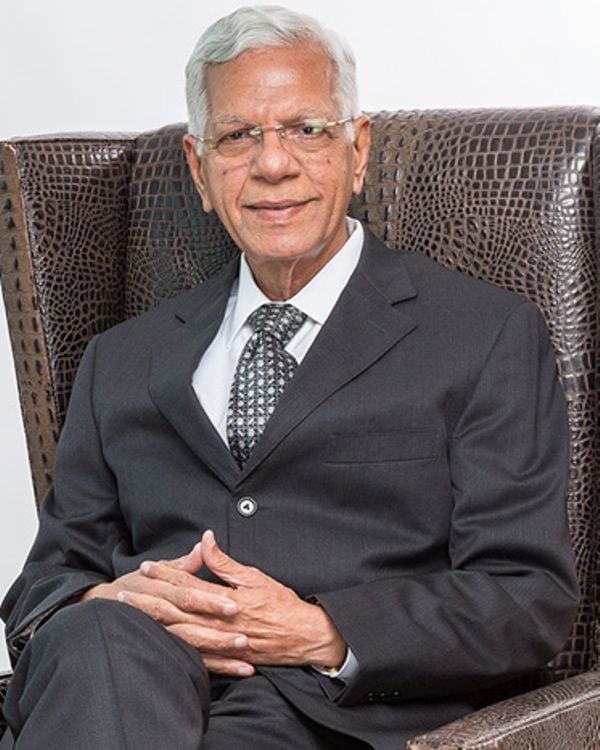 Celebrities
Chandru Raheja
Veteran Indian businessman Chandru Raheja is the chairman of K. Raheja Corporation and a noted real-estate and retail leader.
Updated 2026-10-23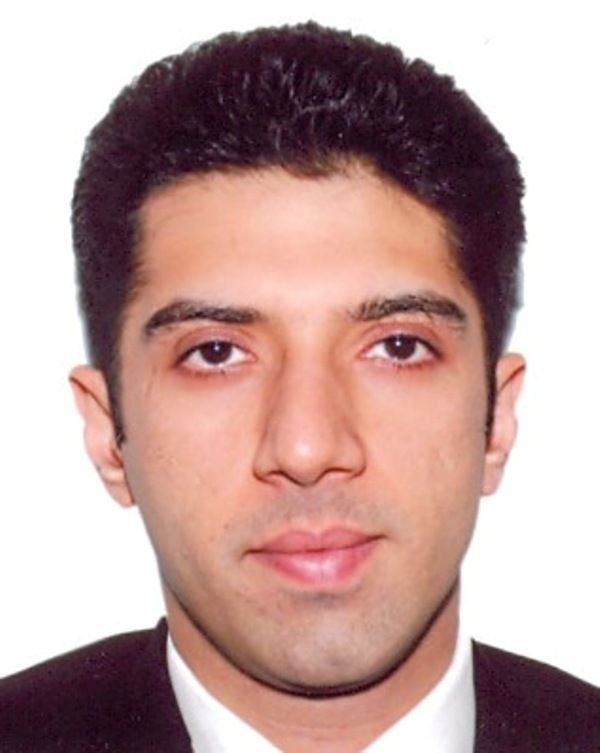 Celebrities
Neel Raheja
Neel Chandru Raheja was born on 27 June 1974 in Mumbai, Maharashtra. Raised in a family with deep roots in Indian real estate, he is the son of Chandru Raheja and Jyoti C. Raheja and a grandson of Lachmandas Raheja, the founder of the K. Raheja Group.
Updated 2026-10-04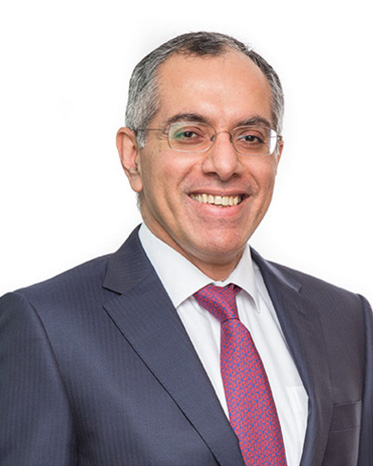 Celebrities
Ravi Raheja
Business leader Ravi Chandru Raheja is Group President at K. Raheja Corporation with a background in commerce and an MBA from London Business School.
Updated 2026-10-23 Celebrities
1eye43
Indian rapper 1eye43, born Vivek in Chandigarh, rose from hardship to build a following with viral 2024 tracks.
Updated 2026-10-23