
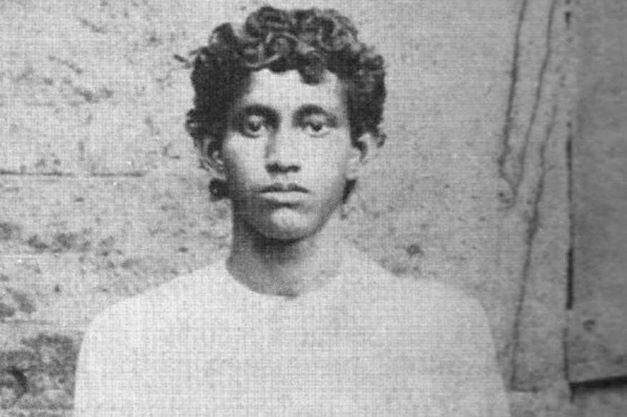
 Featured Biography
Image source: StarsUnfolded
Quick Info
Date of birth3 December 1889
Age18 Years (at time of death)
BirthplaceMohobani, Midnapore, Bengal Presidency, India (present-day West Bengal, India)
ProfessionFreedom Fighter
NationalityBritish Indian
Marital statusUnmarried
FamilyFather - Trailokyanath Bose; Mother - Lakshmipriya Devi; Sister - Aparupa Roy
Khudiram Bose Biography
Khudiram Bose was a Bengali revolutionary who, as a teenager, took part in a plot against a British magistrate and was executed at 18. His participation in
Early life and backgroundKhudiram Bose was born on 3 December 1889 in Mohobani, Midnapore, in the Bengal Presidency (present-day West Bengal). He was the fourth child of Trailokyanath Bose, a tehsildar, and Lakshmipriya Devi. Two elder brothers had died in infancy, and Khudiram grew up with three older sisters. His mother died when he was six and his father passed away a year later. After these losses he was raised by an elder sister in Hatgachha village and attended Tamluk's Hamilton High School.
From his earliest years Khudiram experienced hard circumstances, and a family ritual connected to his survival contributed to the name he is known by. He belonged to the Kayastha community in Bengal and by custom was given to his elder sister for a traditional ceremony called Khud.
Career
Khudiram became involved in revolutionary politics in his mid-teens. He heard public lectures in Midnapore delivered by figures such as Sri Aurobindo and Sister Nivedita in 1902 and 1903, and he soon joined the Anushilan Samiti. By age fifteen he was distributing anti-colonial pamphlets, and reports in the source indicate he was planting bombs near police stations by sixteen.
As part of a group intent on removing a British official, Khudiram and a companion, Prafulla Chaki, were assigned to monitor Magistrate Douglas Kingsford in Muzaffarpur. They adopted assumed names while living in a local inn and observed the magistrate's routine. The pair received an explosive device from an associate experienced in bomb making.
On the evening of 30 April 1908 they carried out an attack intended for Kingsford. Mistaking a carriage carrying two British women for the magistrate's, they threw the bomb at that vehicle; the blast fatally wounded two women, one of whom died within an hour and the other on 2 May. Khudiram and Prafulla separated to escape. Khudiram walked a long distance toward a railway station, where two constables grew suspicious of him. During an attempted struggle and flight he was captured; the police recovered ammunition, a small sum of cash, a railway map and timetable from him.
Prafulla Chaki was later discovered by those who attempted to help him and, when cornered by police, shot himself.
Legal proceedings and execution
Khudiram was publicly brought into custody and became the subject of intense attention. He faced trial beginning 21 May 1908. Several individuals who had aided him were also tried. A team of lawyers undertook Khudiram's defence without charging fees; prosecutors represented the colonial government.
During court proceedings Khudiram at one point acknowledged responsibility for his actions, though in another statement, signed under request of his counsel, he declared he was not involved. The trial record includes references to threats received by judges and prosecutors while the case proceeded.
Khudiram Bose was convicted in the Muzaffarpur case and was executed by hanging on 11 August 1908 at Muzaffarpur, aged 18.
Public profile
Khudiram's youth, the dramatic circumstances of the bombing, and his capture made him a widely noticed figure in British India. Newspapers described the crowds that gathered when the young man was brought into custody, and accounts record that he greeted onlookers with the nationalist slogan "Vandemataram." His actions and trial prompted public debate among Indian leaders of the time; some condemned violent methods while others defended the motives of those who took up direct action.
Contemporary details recorded about him include black eyes and black hair, and his zodiac sign, Sagittarius. He is remembered in accounts as one of the youngest revolutionaries executed during the struggle against colonial rule in Bengal.
Latest updates
As recorded in the historical material, Khudiram Bose remains notable for his role in the Muzaffarpur conspiracy case and for his execution at eighteen. The narrative of his early recruitment into revolutionary circles, his undercover activities in Muzaffarpur, the fatal mistake that led to civilian deaths, and his subsequent trial and execution form the principal elements of his brief but impactful public life.
Editorial Review and Sources
This F4U profile is written from publicly available career and profile information, then reviewed for clarity before publication. If you spot an outdated detail about Khudiram Bose, send the page URL and a reliable correction source to f4udotin@gmail.com.
Reference context: StarsUnfoldedAccuracy
Request a Correction
Tell us what needs to be updated and share a reliable source so the editorial team can review it.
Ownership
Claim This Profile
If this profile is about you or your client, send your contact details and verification context.
Recent Work
Participation in the bombing of a carriage in Muzaffarpur that was intended for Magistrate Douglas Kingsford; subsequent arrest, trial, and execution.
1908Career Highlights
- Joined Anushilan Samiti and took part in revolutionary activities in Bengal as a teenager
- Participated in the Muzaffarpur plot against Magistrate Douglas Kingsford
- Arrested after the Muzaffarpur bombing and tried in a high-profile colonial prosecution
- Executed by hanging at age 18
Frequently Asked Questions
When was Khudiram Bose born?
Khudiram Bose was born on 3 December 1889.
What is Khudiram Bose known for?
Khudiram Bose is known for freedom Fighter.
What is Khudiram Bose’s marital status?
Khudiram Bose's marital status is listed as Unmarried.
Related Biographies
View all →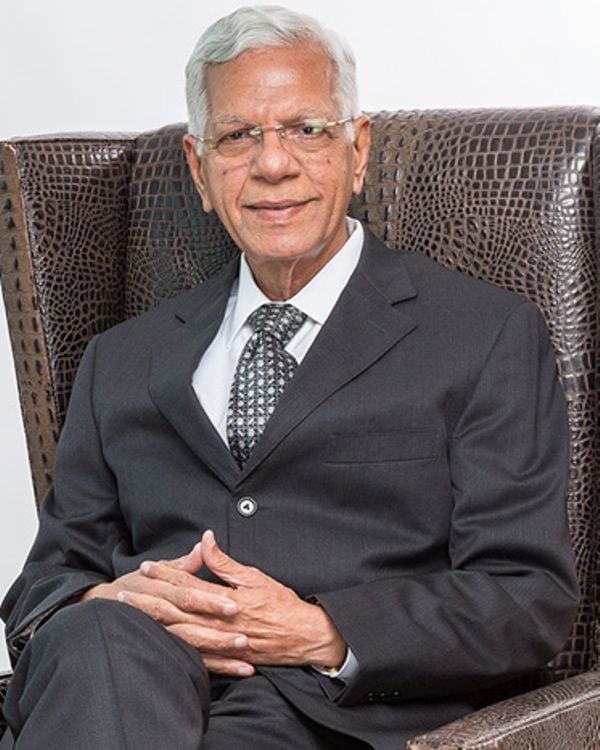 Celebrities
☑️Chandru Raheja
Chandru Lachmandas Raheja is an Indian businessman known for leading K. Raheja Corporation and for his long career in real estate, retail and hospitality.ト
Updated 2026-10-04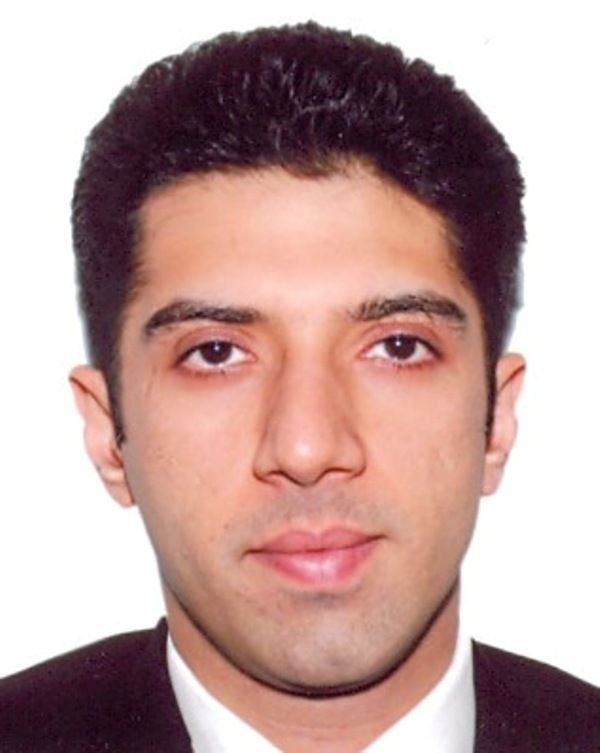 Celebrities
✅Neel Raheja
Neel Chandru Raheja is an Indian businessman who serves as Group President of K Raheja Corp. Born in Mumbai in 1974, he has guided the family's expansion—b
Updated 2026-10-04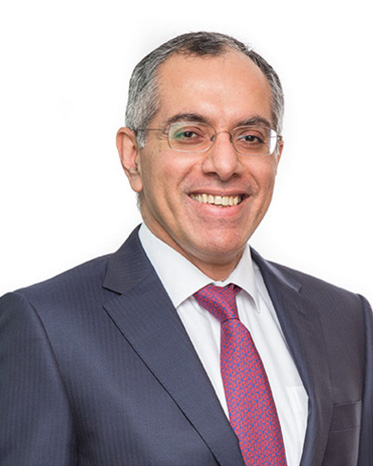 Celebrities
✅Ravi Raheja
Ravi Chandru Raheja is an Indian businessman known for his leadership role at K. Raheja Corporation. Born and raised in Mumbai, he holds degrees from the H
Updated 2026-10-04 Celebrities
6 Girlfriends Of Salman Khan
A look at six women who have been linked to Bollywood star Salman Khan over the years, from early romances to high-profile relationships that captured wide
Updated 2026-10-04