
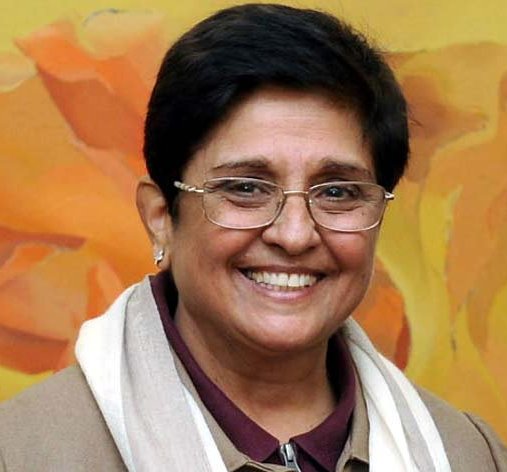
 Featured Biography
Image source: StarsUnfolded
Quick Info
Date of birth9 June 1949
Age75 Years
BirthplaceAmritsar, Punjab
ProfessionPolitician, Civil Servant (retired IPS)
NationalityIndian
Marital statusWidow
SpouseBrij Bedi
FamilyDaughter - Sukriti (Saina) (born September 1975); Father - Prakash Lal Peshawaria; Mother - Prem Lata; Sisters - Shashi, Reeta Peshawariya, Anu
Kiran Bedi Biography
Kiran Bedi is a retired Indian Police Service officer and politician known for being the first woman IPS officer. Her career spanned frontline policing, a
Early life and backgroundKiran Peshawaria Bedi was born on 9 June 1949 in Amritsar, Punjab. Raised in a household with both Hindu and Sikh traditions, she grew up playing lawn tennis under the influence of her father, who was an active player. She attended Sacred Heart Convent School in Amritsar and went on to study at Government College for Women, Amritsar, Panjab University in Chandigarh and later at Delhi University and IIT Delhi for further studies. She earned a BA (Hons.) in English in 1968, followed by an MA in political science, a law degree from Delhi University in 1988 and a PhD in social sciences in 1993.
While at school she joined the National Cadet Corps and remained engaged in extracurricular activities. Before joining the civil services, she worked briefly as a lecturer at Khalsa College for Women in Amritsar from 1970 to 1972. Her interest in public service grew through contacts at a Service Club in Amritsar, where she also met her future husband, Brij Bedi.
Career
Kiran Bedi entered the Indian Police Service in 1972 as a member of the AGMUT (Arunachal Pradesh–Goa–Mizoram–Union Territories) cadre. After nine months of police training at Mount Abu, she began a career that would see a series of pioneering frontline postings and leadership roles across policing, prison reform and public administration.
Early field assignments included her 1975 posting as Sub-Divisional Police Officer in the Chanakyapuri subdivision of New Delhi. That year she became the first woman to lead an all-male contingent of the Delhi Police at the Republic Day Parade. Over the next decades she held a succession of operational and leadership posts: Deputy Commissioner of Police for West Delhi (1979), DCP (Traffic) in 1981, SP (Traffic) in Goa, Deputy Commandant with the Railway Protection Force, and various roles at police headquarters.
Her tenure in traffic management during the early 1980s, including work associated with the 1982 Asian Games, drew attention for practical measures such as spot fines and vehicle towing to address congestion, and for securing resources and equipment for traffic inspectors. Her fair and firm enforcement earned her the informal nickname "Crane Bedi." In the west district of Delhi she pursued community-centred policing initiatives that included recruiting civilian volunteers, organizing night patrols and installing complaint boxes to improve citizen access to police services.
Bedi moved through senior positions—Deputy Inspector General in Mizoram (1990), Inspector General of Delhi Prisons (1993), Additional Commissioner at the Police Academy (1995), Joint Commissioner of Police, Special Commissioner (Intelligence), and Inspector-General in Chandigarh (1999). She served in the Narcotics Control Bureau as Deputy Director (Operations) and in 2003 was appointed the United Nations Civilian Police Adviser. Later roles included Director General of Home Guards and Director General of the Bureau of Police Research and Development. She resigned from the police service in November 2007, citing personal reasons.
Her work in prisons and penal reform attracted national and international recognition. Among her honours are the President’s Police Medal for Gallantry (awarded for her handling of clashes near India Gate in 1978), the Ramon Magsaysay Award for government service (1994), a United Nations Medal (2004), and the Mother Teresa Memorial National Award for Social Justice (2005). She has also received civic and media recognitions such as Most Admired Woman in the Country by The Week magazine and a L’Oréal Paris Femina Women Award for social impact in 2014.
Politics
After retirement from the police, Kiran Bedi entered electoral politics. She joined the Bharatiya Janata Party in 2015 and was the party’s chief ministerial candidate for the Delhi assembly elections the same year. She contested from the Krishna Nagar constituency but was defeated. In May 2016 she was appointed Lieutenant Governor of Puducherry; her term ended in February 2021 when the central government withdrew her from the post.
Public profile
Bedi’s public image has been shaped by visible frontline actions, high-profile reforms and a readiness to take on challenging assignments. She has been associated with prison reform, traffic management innovations and community policing. Her career included controversies and critiques at various points, some arising from administrative decisions or from clashes with political and legal establishments; these episodes have formed part of the public record alongside her achievements.
Personal life
Kiran Bedi married Brij Bedi, a tennis player, on 9 March 1972. The couple had one daughter, Sukriti (also known as Saina), born in 1975. Brij Bedi died in 2016. Kiran Bedi has combined public service with interests including tennis, photography, travel, reading and writing. Her personal background includes a family origin linked to Peshawar; she is known to have played competitive tennis at the national level and represented India internationally in the early 1970s.
Latest updates
As of 2024, Kiran Bedi is 75 years old. Her public career spans policing, prison reform, international advisory work and a transition into active politics and gubernatorial service.
Editorial Review and Sources
This F4U profile is written from publicly available career and profile information, then reviewed for clarity before publication. If you spot an outdated detail about Kiran Bedi, send the page URL and a reliable correction source to f4udotin@gmail.com.
Reference context: StarsUnfoldedAccuracy
Request a Correction
Tell us what needs to be updated and share a reliable source so the editorial team can review it.
Ownership
Claim This Profile
If this profile is about you or your client, send your contact details and verification context.
Recent Work
Appointed Lieutenant Governor in May 2016; relieved of the post in February 2021.
2016-2021Joined BJP in 2015 and was projected as the party’s chief ministerial candidate for the 2015 Delhi elections; contested from Krishna Nagar constituency.
2015Career Highlights
- First woman Indian Police Service (IPS) officer (1972 batch, AGMUT cadre)
- Led an all-male Delhi Police contingent at the Republic Day Parade (1975)
- President’s Police Medal for Gallantry for actions during Nirankari–Akali clashes
- Ramon Magsaysay Award (1994) for government service
- United Nations Civilian Police Adviser (2003)
People Also Search For
Frequently Asked Questions
When was Kiran Bedi born?
Kiran Bedi was born on 9 June 1949.
What is Kiran Bedi known for?
Kiran Bedi is known for politician, Civil Servant (retired IPS).
What is Kiran Bedi’s marital status?
Kiran Bedi's marital status is listed as Widow.
Who is Kiran Bedi married to?
Kiran Bedi is publicly listed as married to Brij Bedi.
Related Biographies
View all →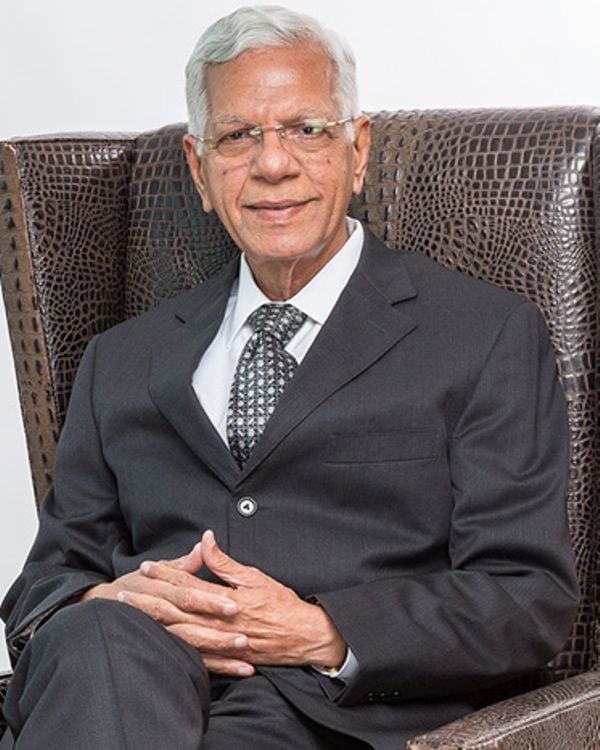 Celebrities
☑️Chandru Raheja
Chandru Lachmandas Raheja is an Indian businessman known for leading K. Raheja Corporation and for his long career in real estate, retail and hospitality.ト
Updated 2026-10-04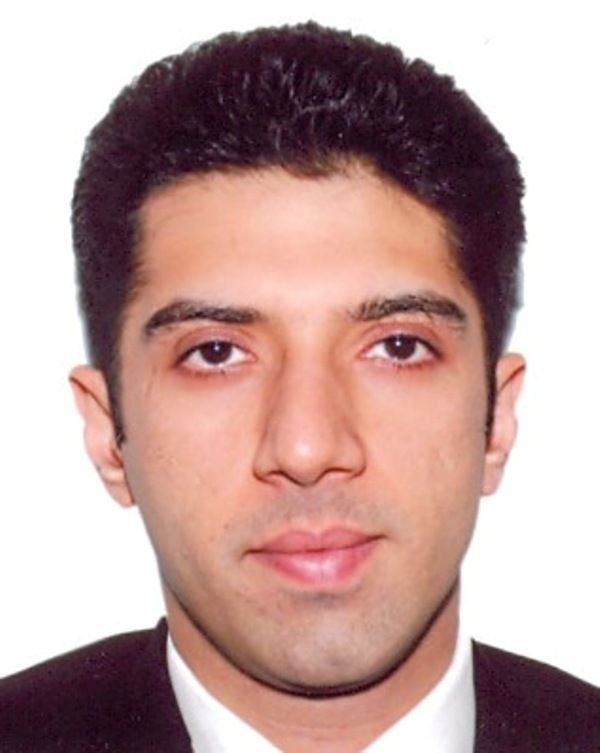 Celebrities
✅Neel Raheja
Neel Chandru Raheja is an Indian businessman who serves as Group President of K Raheja Corp. Born in Mumbai in 1974, he has guided the family's expansion—b
Updated 2026-10-04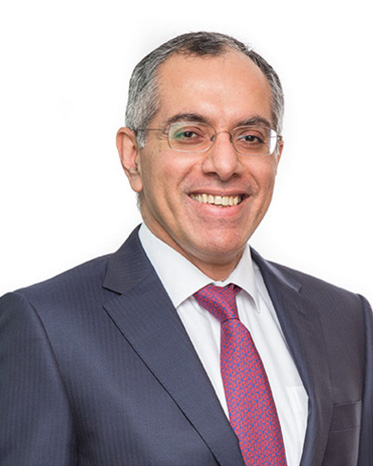 Celebrities
✅Ravi Raheja
Ravi Chandru Raheja is an Indian businessman known for his leadership role at K. Raheja Corporation. Born and raised in Mumbai, he holds degrees from the H
Updated 2026-10-04 Celebrities
6 Girlfriends Of Salman Khan
A look at six women who have been linked to Bollywood star Salman Khan over the years, from early romances to high-profile relationships that captured wide
Updated 2026-10-04