
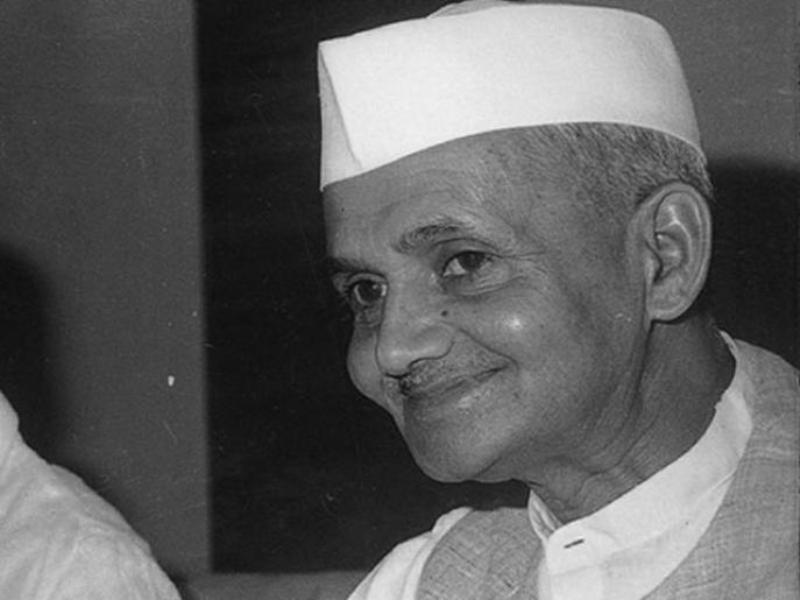
 Featured Biography
Image source: StarsUnfolded
Celebrities
Lal Bahadur Shastri Biography: Age, Career, Family and More
Quick Info
Date of birth2 October 1904
Age122 years
BirthplaceMughalsarai, Varanasi, Uttar Pradesh
ProfessionTeacher, Activist, Politician
NationalityIndian
Marital statusMarried
SpouseLalita Devi
FamilyChildren: Hari Krishna Shastri, Anil Shastri, Sunil Shastri, Ashok Shastri; Daughters: Kusum Shastri, Suman Shastri
Lal Bahadur Shastri Biography
Lal Bahadur Shastri was born on 2 October 1904 in Mughalsarai, in the Varanasi district of Uttar Pradesh.
Early life and backgroundLal Bahadur Shastri was born on 2 October 1904 in Mughalsarai, in the Varanasi district of Uttar Pradesh. He grew up in a family shaped by early loss; his father died when Shastri was a small child, and he was raised by his mother along with two sisters at his maternal grandfather’s home. He completed his education at Shri Harish Chandra Intermediate College and graduated from Mahatma Gandhi Kashi Vidyapeeth in Varanasi with first-class honours in arts. His involvement in nationalist education and the independence movement began at a young age and was influenced by leaders and thinkers of his era.
Shastri adopted the surname "Shastri" after his graduation, a title reflecting scholarship, and chose to drop his original family name as a statement against the caste system. He married Lalita Devi on 16 May 1928; the couple had six children. Shastri maintained a simple lifestyle and was known for reading as a pastime.
Career
Shastri’s public life began in earnest when he joined the Indian National Congress in 1928 at Mahatma Gandhi’s call. He was active in civil disobedience and spent around nine years of his life in jail across several imprisonments tied to major independence campaigns, including participation related to the Salt March, individual Satyagraha, and the Quit India movement.
After independence, Shastri entered public office in Uttar Pradesh, serving as Parliamentary Secretary and later as Minister of Police and Transport in the state government. As a state minister he introduced measures such as allowing women to work as bus conductors and replacing lathis with water jets for crowd control.
At the national level, Shastri rose through Congress party ranks. In 1951 he became General Secretary of the All-India Congress Committee during Jawaharlal Nehru’s prime ministership and took on key responsibilities in coordinating election efforts. He was elected to the national legislature and on 13 May 1952 became India’s first Minister of Railways in the republic’s initial cabinet. Subsequent portfolios included Transport and Communications, Commerce and Industry, and Home Minister following Govind Ballabh Pant’s death.
On 9 June 1964 Shastri was sworn in as Prime Minister of India, becoming the country’s second prime minister after Nehru’s death. His tenure included guiding the nation during the Indo-Pak conflict of 1965; during that period he coined the rallying slogan Jai Jawan Jai Kisan, reflecting the twin priorities of national defence and agricultural resilience.
Public profile
Shastri was widely regarded for his integrity, modesty and commitment to public service. He is remembered for speeches and remarks that emphasized loyalty to the nation, social equality, and a firm stance against aggression. He opposed practices rooted in caste discrimination and worked for the welfare of marginalized communities earlier in his public life through associations such as the Servants of the People Society.
Shastri’s leadership and conduct earned him recognition across India and abroad. He was awarded India’s highest civilian honour, the Bharat Ratna, posthumously in 1966. Numerous institutions, memorials and places have been named in his memory: academies, municipal buildings, a medical college, dams, and life-size statues and busts in cities across India. A memorial, Vijay Ghat, marks his resting place in New Delhi.
Personal life and death
A family man, Shastri and his wife Lalita Devi raised six children, and several of his sons later entered public life. He maintained a reputation for simple living and adherence to principles he espoused publicly.
Shastri died on 11 January 1966 in Tashkent, then in the Soviet Union, a day after signing the Tashkent Declaration. Reports at the time noted a fatal heart attack; his death made him the first Indian prime minister to die abroad. His death prompted national mourning and the establishment of lasting memorials.
Latest updates
Shastri’s legacy continues to be commemorated through annual tournaments, educational institutions and civic memorials that bear his name. His contributions to India’s political life and independence movement remain key elements of how he is remembered today.
Editorial Review and Sources
This F4U profile is prepared from the public references listed below and reviewed for clarity. If you spot an outdated detail about Lal Bahadur Shastri, send the page URL and a reliable correction source to f4udotin@gmail.com.
Accuracy
Request a Correction
Tell us what needs to be updated and share a reliable source so the editorial team can review it.
Ownership
Claim This Profile
If this profile is about you or your client, send your contact details and verification context.
Career Highlights
- Joined Indian National Congress in 1928
- Served as first Railway Minister of the Republic of India (1952)
- Held key Union ministries including Transport, Communications, Commerce and Industry, and Home
- Became India’s second Prime Minister on 9 June 1964
- Led India during the 1965 Indo-Pak conflict and coined the slogan Jai Jawan Jai Kisan
- Awarded the Bharat Ratna posthumously in 1966
People Also Search For
Frequently Asked Questions
When was Lal Bahadur Shastri born?
Lal Bahadur Shastri was born on 2 October 1904.
What is Lal Bahadur Shastri known for?
Lal Bahadur Shastri is known for teacher, Activist, Politician.
What is Lal Bahadur Shastri’s marital status?
Lal Bahadur Shastri's marital status is listed as Married.
Who is Lal Bahadur Shastri married to?
Lal Bahadur Shastri is publicly listed as married to Lalita Devi.
Related Biographies
View all →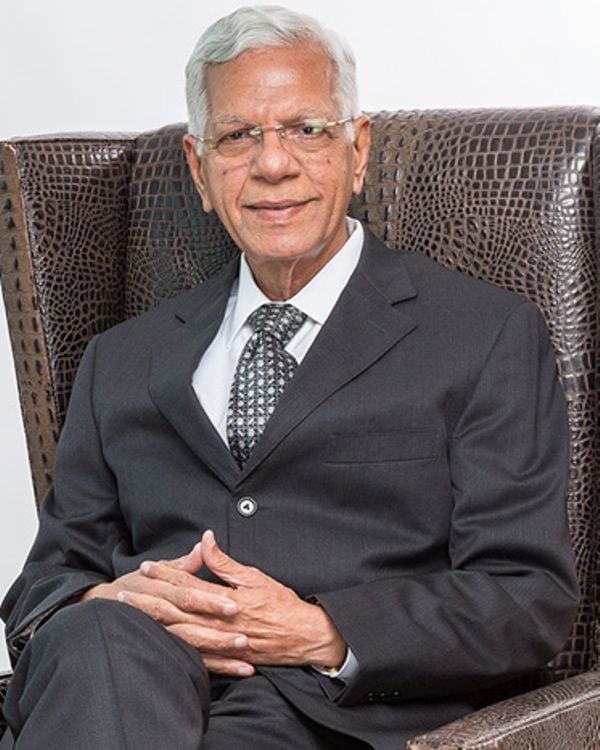 Celebrities
Chandru Raheja
Veteran Indian businessman Chandru Raheja is the chairman of K. Raheja Corporation and a noted real-estate and retail leader.
Updated 2026-10-23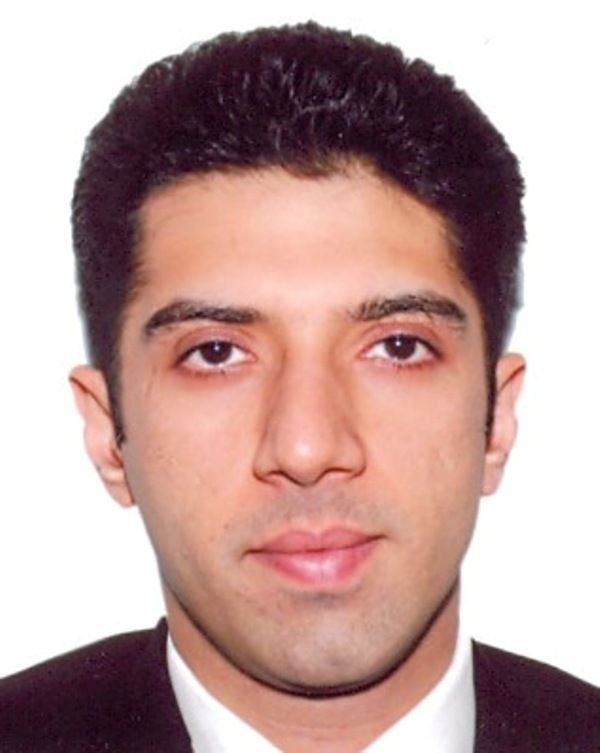 Celebrities
Neel Raheja
Neel Chandru Raheja was born on 27 June 1974 in Mumbai, Maharashtra. Raised in a family with deep roots in Indian real estate, he is the son of Chandru Raheja and Jyoti C. Raheja and a grandson of Lachmandas Raheja, the founder of the K. Raheja Group.
Updated 2026-10-04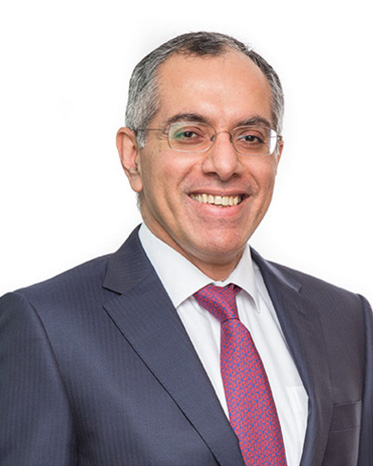 Celebrities
Ravi Raheja
Business leader Ravi Chandru Raheja is Group President at K. Raheja Corporation with a background in commerce and an MBA from London Business School.
Updated 2026-10-23 Celebrities
1eye43
Indian rapper 1eye43, born Vivek in Chandigarh, rose from hardship to build a following with viral 2024 tracks.
Updated 2026-10-23