
 Featured Biography
Image source: StarsUnfolded
Celebrities
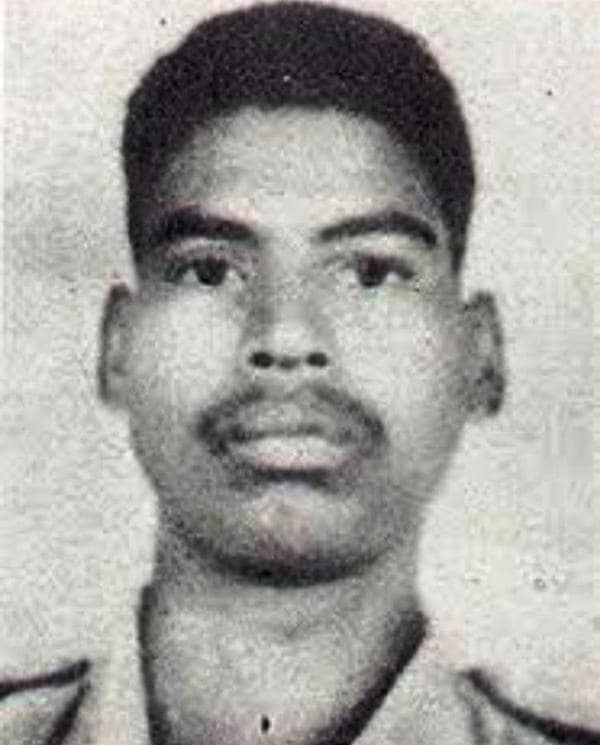
Lance Naik Albert Ekka Biography: Age, Career, Family and More
Quick Info
Date of birth27 December 1942
Age28 Years (at time of death)
BirthplaceZari Village, Gumla District, Bihar (now Jharkhand)
ProfessionArmy Personnel
NationalityIndian
Marital statusMarried
SpouseBalamdina Ekka
FamilyFather - Julius Ekka; Mother - Mariam Ekka; Son - Vincent Ekka
Lance Naik Albert Ekka Biography
Lance Naik Albert Ekka was an Indian Army soldier awarded the Param Vir Chakra for conspicuous bravery during the 1971 Indo-Pakistan War. Born in Zari (Gum
Early life and backgroundAlbert Ekka was born on 27 December 1942 in Zari village in what was then Gumla District, Bihar (now in Jharkhand). He came from an Adivasi family where hunting and traditional skills such as archery were practised, experiences that contributed to his marksmanship and familiarity with weapons from an early age. As a youth he played hockey competitively and was noticed by Subedar Major Bhagirath Soren during a tournament, which led to his enlistment in the Bihar Regiment.
Military career
Ekka completed his initial training and was formally enrolled in the Indian Army on 27 December 1962. He began service as a sepoy in the Bihar Regiment and served there until 1968, when he was transferred to the 14th Battalion of the Brigade of Guards (14 Guards). His service number was 4239746. By 1971 he held the rank of Lance Naik.
When war broke out in 1971, Ekka's battalion was posted in Tripura. The 14 Guards were tasked with operations in the Gangasagar complex in East Pakistan (now Bangladesh), a strategically important area near Agartala. Ekka served in Bravo Company, commanded by Major O. P. Kohli, and was part of the company ordered to capture the Gangasagar railway station and neutralise enemy positions that threatened the state capital.
Actions at Gangasagar and sacrifice
On the night of 3 December 1971, Bravo Company moved on its objective under heavy enemy fire from well-entrenched machine-gun positions. Ekka responded to the emergency when his comrades were pinned down by light machine-gun fire. Moving ahead under fire, he crawled to an enemy LMG bunker and engaged the defenders at close quarters, using his bayonet to neutralise the threat. He sustained wounds to his arm and neck but continued the assault despite severe bleeding.
Later in the engagement, Ekka again acted to neutralise machine-gun fire that was holding up the company's advance. He approached a two-storey building that served as an enemy outpost, used a hand grenade against the machine-gun nest and then climbed to the second floor. There he assaulted the enemy position with a bayonet and succeeded in silencing the gun. During this second close-quarters encounter he was severely wounded and lost a large amount of blood. While descending the stairs after the assault, he collapsed and succumbed to his injuries on the night of 3 December 1971.
Honours and recognition
For his courage and selfless actions during the Battle of Gangasagar, Albert Ekka was posthumously awarded the Param Vir Chakra, India's highest military decoration for valour. He is noted as the only Param Vir Chakra recipient among Indian Army operations in East Pakistan during that conflict. His memory has been honoured in multiple ways, including a commemorative postal stamp issued on 26 January 2000, a cover letter from the Army Postal Service Corps, and the naming of an intersection in Ranchi, Jharkhand after him. The government of Bangladesh also conferred a posthumous honour titled 'Friends of Liberation War' on him.
Personal life
Ekka married in 1968. At the time of his death he was 28 years old. His parents were Julius and Mariam Ekka. He was survived by his wife, Balamdina Ekka, and a son named Vincent Ekka. Ekka practised the Catholic faith and was known as a reserved, introverted soldier who preferred to speak only when necessary. His company commander recalled that he paid little attention to his personal appearance and wore loose, ill-fitting uniforms, but that his quiet nature and discipline contributed to his leadership and command over men in action.
Public profile
Albert Ekka's actions and sacrifice have been recorded in various military histories and books recounting Param Vir Chakra stories. Accounts of his final assault emphasise his single-minded bravery, close-quarters combat using bayonet and grenade, and his determination to silence enemy machine guns to save his comrades and enable the company's advance.
Latest updates
Posthumous recognitions and commemorations continue to preserve Albert Ekka's legacy. His story remains part of the official record of the 1971 war and is cited in books and military citations highlighting acts of extraordinary courage during that conflict.
Editorial Review and Sources
This F4U profile is written from publicly available career and profile information, then reviewed for clarity before publication. If you spot an outdated detail about Lance Naik Albert Ekka, send the page URL and a reliable correction source to f4udotin@gmail.com.
Reference context: StarsUnfoldedAccuracy
Request a Correction
Tell us what needs to be updated and share a reliable source so the editorial team can review it.
Ownership
Claim This Profile
If this profile is about you or your client, send your contact details and verification context.
Career Highlights
- Recipient of the Param Vir Chakra (posthumous) for actions during the Battle of Gangasagar in the 1971 Indo-Pakistan War
- Served in the Bihar Regiment (1962–1968) and transferred to the 14th Battalion, Brigade of Guards (14 Guards)
- Recognised posthumously by India and Bangladesh; commemorative postal stamp released on 26 January 2000; intersection in Ranchi named after him
People Also Search For
Frequently Asked Questions
When was Lance Naik Albert Ekka born?
Lance Naik Albert Ekka was born on 27 December 1942.
What is Lance Naik Albert Ekka known for?
Lance Naik Albert Ekka is known for army Personnel.
What is Lance Naik Albert Ekka’s marital status?
Lance Naik Albert Ekka's marital status is listed as Married.
Who is Lance Naik Albert Ekka married to?
Lance Naik Albert Ekka is publicly listed as married to Balamdina Ekka.
Related Biographies
View all →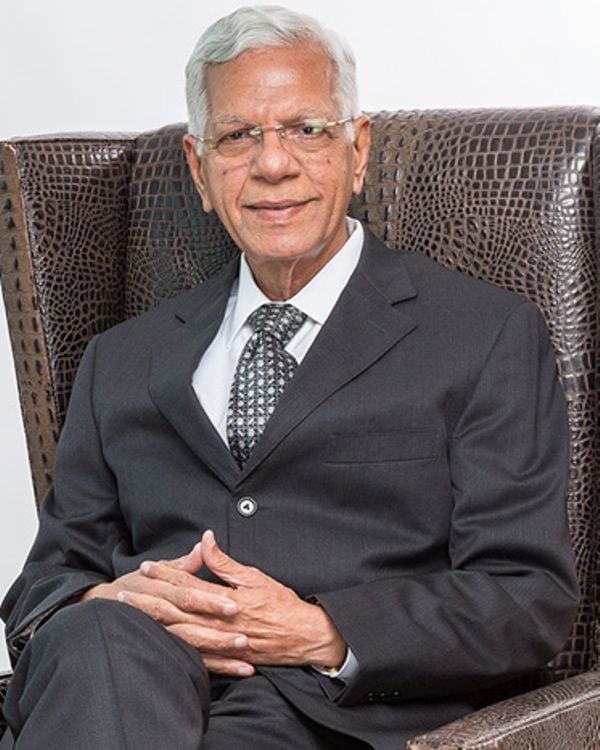 Celebrities
☑️Chandru Raheja
Chandru Lachmandas Raheja is an Indian businessman known for leading K. Raheja Corporation and for his long career in real estate, retail and hospitality.ト
Updated 2026-10-04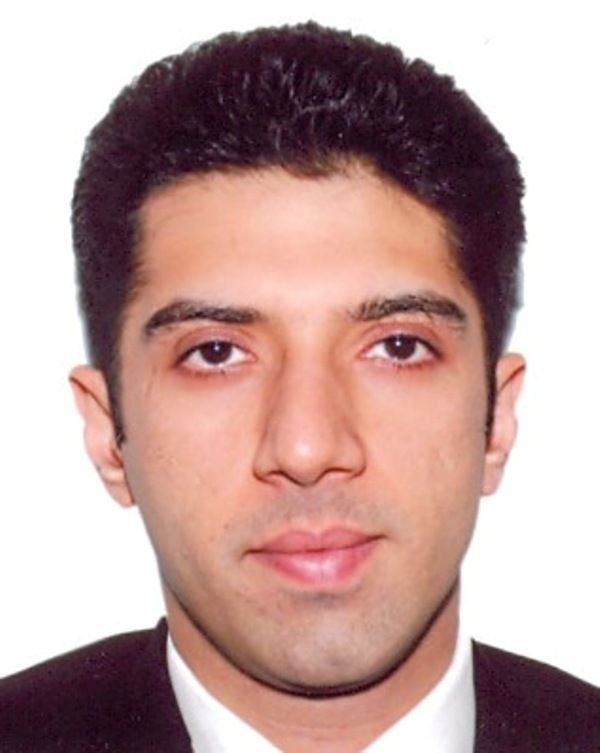 Celebrities
✅Neel Raheja
Neel Chandru Raheja is an Indian businessman who serves as Group President of K Raheja Corp. Born in Mumbai in 1974, he has guided the family's expansion—b
Updated 2026-10-04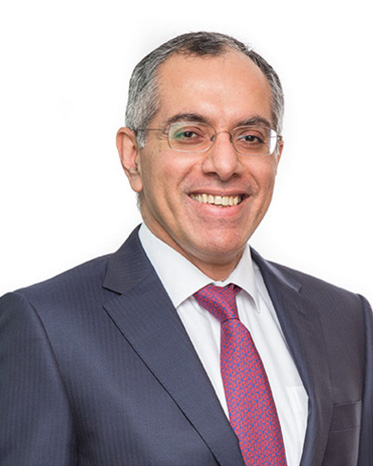 Celebrities
✅Ravi Raheja
Ravi Chandru Raheja is an Indian businessman known for his leadership role at K. Raheja Corporation. Born and raised in Mumbai, he holds degrees from the H
Updated 2026-10-04 Celebrities
6 Girlfriends Of Salman Khan
A look at six women who have been linked to Bollywood star Salman Khan over the years, from early romances to high-profile relationships that captured wide
Updated 2026-10-04