
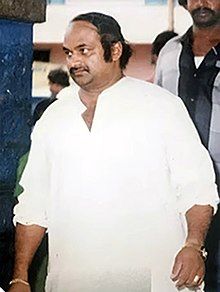
 Featured Biography
Image source: StarsUnfolded
Quick Info
Date of birth1944
Age45 Years (at time of death)
BirthplaceBangalore
ProfessionMafia, Gangster, Politician
NationalityIndian
Marital statusMarried
SpouseHelen
FamilySon - Ajit; Brother - M. P. Umesh; Sister - Hemavati
M. P. Jayaraj Biography
Mysore Puttaswamaiah Jayaraj was a prominent and controversial figure in Bangalore’s underworld during the 1970s and 1980s. Rising from humble beginnings,他
Early life and backgroundMysore Puttaswamaiah Jayaraj was born in Bangalore in 1944. As a youth he trained in traditional wrestling at Annayappa Garadi in Thigalarapete, an early interest that preceded his later public profile. He worked briefly at Hindustan Aeronautical Limited (HAL) but left that employment after being asked to go because of irregular attendance.
Career
Jayaraj emerged as one of Bangalore’s most visible gangland figures in the 1970s and maintained a dominant presence through the 1980s. He has been described as the first and most popular gangster in the city during that period. Political connections played a role in his rise: he was introduced to the criminal milieu by M. D. Nataraj, who was the son-in-law of then Chief Minister Devaraj Urs. During a time when the state government pursued policies for Dalit and backward-class advancement, Jayaraj and his group were reportedly used to intimidate political opponents.
Violence and imprisonment marked much of Jayaraj’s adult life. In 1979 he attacked a rival known as Thigallarapete Gopi on court premises and received a ten-year jail sentence. While serving that sentence his influence waned; by the time he was released in 1984 other figures, including Kotwal Ramachandra and Oil Kumar, had become prominent. Two years later, in 1986, Jayaraj reasserted himself by participating in the killing of Kotwal Ramachandra alongside associates including Agni Shridhar, Varadharaja Nayak and Bacchan. That action again led to incarceration for Jayaraj and some of his companions.
Outside prison, Jayaraj cultivated a public-facing side. He founded a weekly newspaper titled Ghareebi Hatao (also reported as Gareebhi Hataao) and used it to publish critiques aimed at Janata Dal politicians and law enforcement. A photograph from the period shows him alongside national political figures at a press event following his paper’s launch.
Jayaraj and his group were also associated with a body called the Indira Brigade, which acted ostensibly to protect ruling-party leaders. Former police officials later described the group as operating with coercive methods and running clandestine detention spaces.
Attempts to seek electoral office followed. In 1989 Jayaraj stood for election as an independent candidate from Jayanagar. The court granted him a 15-day parole to campaign. He adopted a tiger as the symbol for his candidacy and once paraded a caged tiger during campaigning to attract public attention.
Assassination and death
On 21 November 1989, at approximately 7:20 a.m., Jayaraj was killed after leaving Siddapura police station, where he had signed the register. While traveling in a car with his brother M. P. Umesh, his lawyer Vardhamanayya and other associates, their vehicle was intercepted and fired upon by a group of attackers reported to include Muthappa Rai and Subash Singh Thakur among others. The car crashed during the incident; Vardhamanayya was killed at the scene and Jayaraj died from the attack.
Public profile
Jayaraj’s life intersected with politics, media and criminal networks, and that combination kept him a subject of public attention long after his death. His newspaper activity and highly visible acts—both violent and theatrical—contributed to a notoriety that has outlived him in popular memory.
Family
At the time of his death Jayaraj was married to Helen; the couple had a son, Ajit, who later pursued acting and further education. He also had siblings, including a brother M. P. Umesh and a sister, Hemavati. After Jayaraj’s death his wife spoke publicly about raising their son away from the underworld and encouraging him to build a different life.
Legacy and later portrayals
Jayaraj’s career and the turbulence around his life have been represented in literature and film. Scenes involving him appear in cinematic portrayals of the era’s gangland conflicts; one Kannada film released in 2022 drew public comment from family members over its depiction. His role in events such as the killing of Kotwal Ramachandra was depicted in the 2007 film Aa Dinagalu, which dramatized those underworld conflicts.
Latest updates
Posthumous discussions of Jayaraj’s life have continued through media and film. Family members have participated in public conversations reacting to portrayals of his life and actions, sometimes with differing views about how he is remembered.
Editorial Review and Sources
This F4U profile is written from publicly available career and profile information, then reviewed for clarity before publication. If you spot an outdated detail about M. P. Jayaraj, send the page URL and a reliable correction source to f4udotin@gmail.com.
Reference context: StarsUnfoldedAccuracy
Request a Correction
Tell us what needs to be updated and share a reliable source so the editorial team can review it.
Ownership
Claim This Profile
If this profile is about you or your client, send your contact details and verification context.
Recent Work
Weekly paper he founded and used to publish articles targeting politicians and the police.
1980sHis involvement in underworld events was portrayed in the 2007 film Aa Dinagalu.
2007Scenes about Jayaraj appeared in the 2022 Kannada film Head Bush, prompting reactions from family.
2022Career Highlights
- First and most prominent gangster operating in Bangalore during the 1970s and 1980s
- Founder of the weekly newspaper Ghareebi Hatao
- Contested the 1989 Jayanagar MLA election as an independent candidate
People Also Search For
Frequently Asked Questions
When was M. P. Jayaraj born?
M. P. Jayaraj was born on 1944.
What is M. P. Jayaraj known for?
M. P. Jayaraj is known for mafia, Gangster, Politician.
What is M. P. Jayaraj’s marital status?
M. P. Jayaraj's marital status is listed as Married.
Who is M. P. Jayaraj married to?
M. P. Jayaraj is publicly listed as married to Helen.
Related Biographies
View all →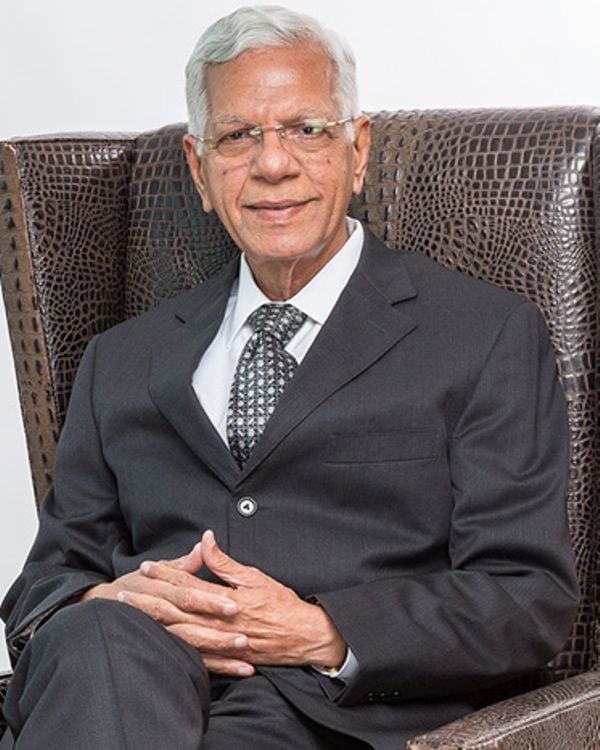 Celebrities
☑️Chandru Raheja
Chandru Lachmandas Raheja is an Indian businessman known for leading K. Raheja Corporation and for his long career in real estate, retail and hospitality.ト
Updated 2026-10-04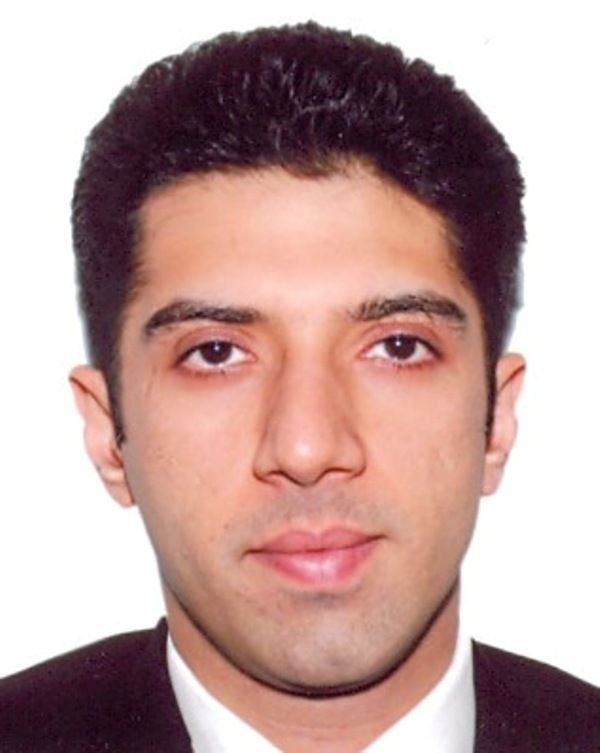 Celebrities
✅Neel Raheja
Neel Chandru Raheja is an Indian businessman who serves as Group President of K Raheja Corp. Born in Mumbai in 1974, he has guided the family's expansion—b
Updated 2026-10-04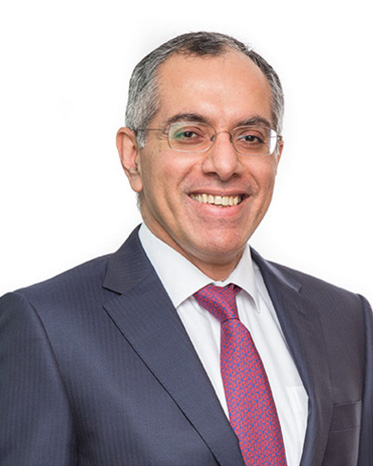 Celebrities
✅Ravi Raheja
Ravi Chandru Raheja is an Indian businessman known for his leadership role at K. Raheja Corporation. Born and raised in Mumbai, he holds degrees from the H
Updated 2026-10-04 Celebrities
6 Girlfriends Of Salman Khan
A look at six women who have been linked to Bollywood star Salman Khan over the years, from early romances to high-profile relationships that captured wide
Updated 2026-10-04