
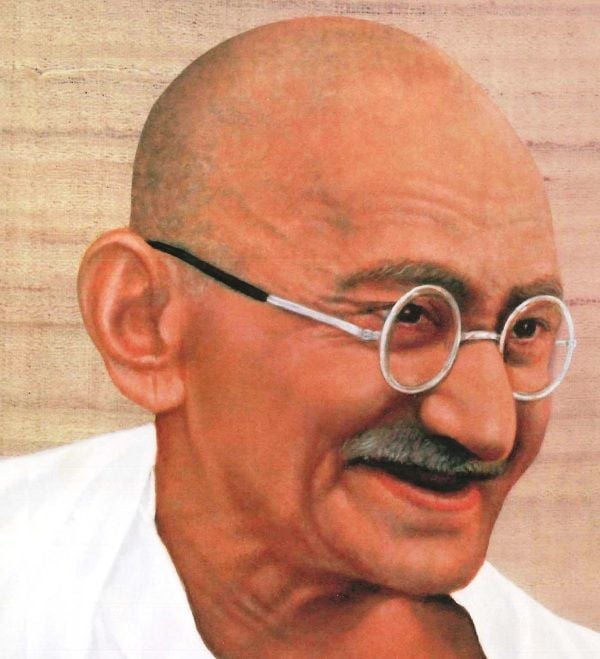
 Featured Biography
Image source: StarsUnfolded
Quick Info
Date of birth2 October 1869
Age78 Years (at time of death)
BirthplacePorbandar State, Kathiawar Agency, British Indian Empire (now Gujarat, India)
ProfessionPolitician, Lawyer, Peace Activist, Philosopher
NationalityIndian
Marital statusWidower (at time of death)
SpouseKasturba Gandhi
FamilyChildren: Harilal, Manilal, Ramdas, Devdas; two daughters listed (one adopted)
Mahatma Gandhi Biography
Mohandas Karamchand Gandhi, widely known as Mahatma Gandhi, was an Indian lawyer, political leader and advocate of nonviolent resistance. Born in Porbandar
Early life and backgroundMohandas Karamchand Gandhi was born on 2 October 1869 in Porbandar, a town in the Kathiawar Agency of the British Indian Empire (now in Gujarat). He grew up in a Modh Baniya Hindu family; his father, Karamchand Gandhi, served in senior administrative roles for the Porbandar state, and his mother, Putlibai, was devoutly religious. Gandhi was the youngest of several children and spent parts of his childhood in Rajkot, where he attended local schools and later a high school. Descriptions of his early years recall a shy, restless boy who enjoyed reading and was influenced by Indian moral stories and the example of his mother.
At age 13 Gandhi entered an arranged marriage to Kasturbai Makhanji Kapadia. The couple would later have several children. After completing his schooling in Ahmedabad, Gandhi briefly enrolled at Samaldas College in Bhavnagar before leaving to pursue legal studies in London.
Education and early adult life
In 1888 Gandhi left for London to study law. He enrolled at the Inner Temple and pursued legal training and jurisprudence. While in London he joined the Vegetarian Society and took an interest in the intellectual and reform-oriented circles of the time. He was called to the British Bar in June 1891 and returned to India the same year, where his mother had died during his absence.
Back in India Gandhi tried to practise law in Bombay, but his early practice did not prosper. Contacts and influences encountered after his return, including figures he regarded as guides, helped shape his thinking and future path.
Career
Gandhi trained as a barrister but became best known for his political leadership and advocacy of nonviolent resistance. He spent a significant period in South Africa, where he witnessed discrimination and legal measures directed at Indians. During his time there he helped found the Natal Indian Congress in 1894 and organized the Indian community into a political force to oppose discriminatory laws.
When an identity-registration law and related regulations were introduced in the Transvaal in 1906, Gandhi developed and led a strategy of nonviolent resistance he called satyagraha. He urged Indians to refuse registration, to boycott the laws, and to accept the consequences of civil disobedience. Over several years that campaign drew mass participation; many protesters were arrested or punished, and the struggle ultimately led to negotiations and compromise with authorities.
Gandhi returned to India in 1915 and emerged as a central figure in the movement for self-rule. He led or initiated a number of major campaigns and agitations: local rural movements such as the Champaran and Kheda agitations in 1918; nationwide civil actions including the 1930 Salt March against the British salt tax; and the Quit India Movement launched in August 1942, when he called for determined action against colonial rule. He took leadership roles within the Indian National Congress and steered the party as it escalated demands for independence through the 1920s and 1930s.
Public profile
Gandhi became widely known by the honorific Mahatma and was also called Bapu and Father of the Nation. His public persona combined political organizing with moral and philosophical teachings. He voiced succinct maxims that have endured in public memory, including calls to personal change, forgiveness, and nonviolence. His lifestyle, dietary practices, and experiments in personal discipline were part of his public image.
Personal life and family
Gandhi and his wife Kasturba had multiple children. His sons included Harilal, Manilal, Ramdas and Devdas. He kept close ties to his extended family, and his upbringing and family background continued to inform his ethic and practice.
Later years and death
Gandhi continued to lead political movements through the 1930s and 1940s. He was assassinated by shooting on 30 January 1948 in New Delhi at the age of 78. His body was cremated at Raj Ghat in Delhi and portions of his ashes were scattered in various Indian rivers.
Latest updates
The materials in this profile note discussions and controversies that have arisen around aspects of Gandhi’s life and actions, which have prompted debate among students, scholars and commentators in later years. These subjects remain part of broader public discussion about his legacy.
Editorial Review and Sources
This F4U profile is written from publicly available career and profile information, then reviewed for clarity before publication. If you spot an outdated detail about Mahatma Gandhi, send the page URL and a reliable correction source to f4udotin@gmail.com.
Reference context: StarsUnfoldedAccuracy
Request a Correction
Tell us what needs to be updated and share a reliable source so the editorial team can review it.
Ownership
Claim This Profile
If this profile is about you or your client, send your contact details and verification context.
Recent Work
Led a nonviolent campaign in 1930 opposing the British tax on salt.
1930Called for decisive action against British rule with the 1942 Quit India call.
1942Initiated rural agitations in 1918 addressing agrarian grievances.
1918Career Highlights
- Founded the Natal Indian Congress (1894) and organized political resistance among Indians in South Africa
- Developed and led satyagraha, a principle and practice of nonviolent resistance
- Led major Indian independence campaigns including the Salt March (1930) and Quit India Movement (1942)
- Served as a leading figure in the Indian National Congress and guided its push for self-rule after 1915
Frequently Asked Questions
When was Mahatma Gandhi born?
Mahatma Gandhi was born on 2 October 1869.
What is Mahatma Gandhi known for?
Mahatma Gandhi is known for politician, Lawyer, Peace Activist, Philosopher.
What is Mahatma Gandhi’s marital status?
Mahatma Gandhi's marital status is listed as Widower (at time of death).
Who is Mahatma Gandhi married to?
Mahatma Gandhi is publicly listed as married to Kasturba Gandhi.
Related Biographies
View all →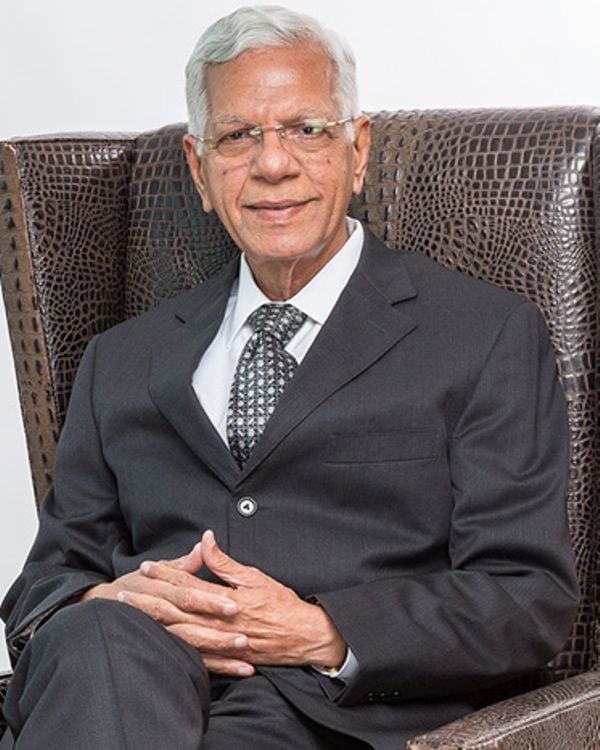 Celebrities
☑️Chandru Raheja
Chandru Lachmandas Raheja is an Indian businessman known for leading K. Raheja Corporation and for his long career in real estate, retail and hospitality.ト
Updated 2026-10-04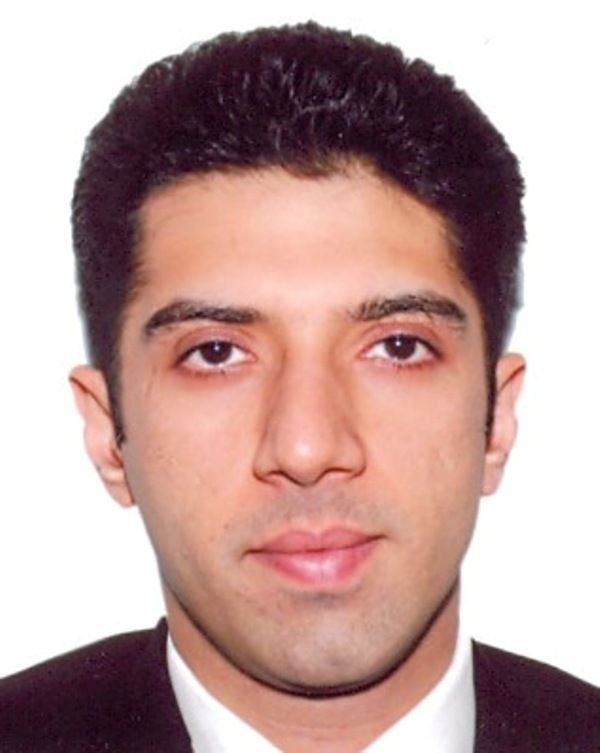 Celebrities
✅Neel Raheja
Neel Chandru Raheja is an Indian businessman who serves as Group President of K Raheja Corp. Born in Mumbai in 1974, he has guided the family's expansion—b
Updated 2026-10-04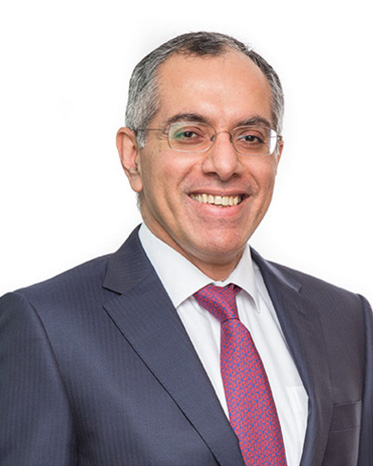 Celebrities
✅Ravi Raheja
Ravi Chandru Raheja is an Indian businessman known for his leadership role at K. Raheja Corporation. Born and raised in Mumbai, he holds degrees from the H
Updated 2026-10-04 Celebrities
6 Girlfriends Of Salman Khan
A look at six women who have been linked to Bollywood star Salman Khan over the years, from early romances to high-profile relationships that captured wide
Updated 2026-10-04