
 Featured Biography
Image source: StarsUnfolded
Celebrities
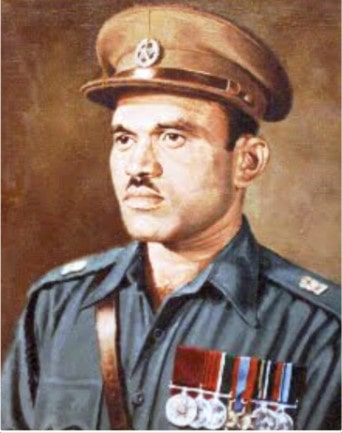
Major Rama Raghoba Rane Biography: Age, Career, Family and More
Quick Info
Date of birth26 June 1918
Age108 years
BirthplaceChendia Village, Karwar District, Madras Presidency (now Karnataka)
ProfessionArmy Personnel
NationalityIndian
Marital statusMarried
SpouseRajeshwari Rane
FamilyThree sons and one daughter
Major Rama Raghoba Rane Biography
Rama Raghoba Rane was born on 26 June 1918 in Chendia village in what was then the Madras Presidency (now in Karwar district, Karnataka). The son of Raghoba P. Rane, a retired police constable, and Devika Devi, he spent parts of his childhood moving with his family as his father’s police duties required relocations.
Early life and backgroundRama Raghoba Rane was born on 26 June 1918 in Chendia village in what was then the Madras Presidency (now in Karwar district, Karnataka). The son of Raghoba P. Rane, a retired police constable, and Devika Devi, he spent parts of his childhood moving with his family as his father’s police duties required relocations. As a youth he was influenced by the political movements of the time and took part in activities tied to the non-cooperation movement against British rule.
Military career
Rane joined the Bombay Engineering Group (The Bombay Sappers) on 10 July 1940, enlisting as a sepoy to serve in the Second World War. He completed his recruit training with distinction, receiving the Best Recruit trophy and the Commandant’s Cane, and was posted to the eastern front where he rose quickly through the ranks to Naik and later to Havildar and Subedar.
While serving in Burma and the surrounding theatre, Rane took responsibility for the safety of his men under very difficult conditions. Ordered to destroy assets and cover a retreat, he organized an evacuation across the Buthidaung river despite enemy patrols and led his men back to allied lines. Accounts from that period credit him with using his navigational skill to avoid detection and with exceptional leadership under fire; one account also records that he engaged an enemy aircraft with a light machine gun during the campaign.
Following India’s independence, Rane received a commission and was promoted to Second Lieutenant in December 1947. Over the next two decades he continued his service with the Bombay Sappers, advancing through Lieutenant (1950), Captain (1954) and retiring with the rank of Major. His service number was IC-7244 and his service years spanned from 10 July 1940 until his retirement on 25 June 1968; he was re-employed by the Army until 1971.
Actions in the 1947–48 war and the Param Vir Chakra
During the Indo-Pakistan War of 1947–48, Rane commanded the 37th Field Assault Company. His unit’s role was to clear extensive roadblocks—trees and anti-tank obstacles—to allow infantry and tank columns to advance toward Rajauri. In early April 1948 his company came under heavy mortar and machine-gun fire. Despite suffering casualties among his men and sustaining a severe leg wound himself, Rane refused evacuation and continued to direct operations.
Recognizing that daytime operations left his sappers exposed, he shifted clearing work to night and devised practical methods to open the route. At one point he used a tank as mobile cover, working under its protection to place and detonate explosives and to cut a bypass track. His leadership and perseverance over the actions between 8 and 11 April 1948 were pivotal in enabling the advance that led to the capture of Rajauri. For his conspicuous gallantry and leadership in these operations, he was awarded the Param Vir Chakra, India’s highest military decoration for bravery.
Later service and honours
Rane’s decorations include the Param Vir Chakra and five mentions in dispatches. The Bombay Sappers and other institutions have commemorated his service: an oil tanker of the Shipping Corporation of India was named in his honour, and a bust of Rane has been installed at the naval museum, INS Chapal at Karwar.
Personal life
Rane married Rajeshwari Rane on 3 February 1955. The couple had four children: three sons and one daughter. After his Param Vir Chakra recognition he was invited as a guest of honour to a school event where he met his future wife. Rajeshwari later ceremonially handed her husband’s medal to his parent unit, The Bombay Sappers. He was known to his wife by the affectionate nickname she used for him.
Public profile
During moments of internal unrest, Rane was called on for duties beyond conventional combat roles. In 1962, during communal violence in Calcutta, he was deployed there to help maintain law and order and is recorded as having taken on personally risky patrols in difficult areas.
Death and legacy
Major Rama Raghoba Rane died on 11 July 1994 of natural causes at the age of 76. His actions in the 1947–48 conflict remain a noted example of sapper ingenuity and courage in Indian military history. Memorials, a bust at INS Chapal and the naming of a commercial vessel ensure his name endures within both military and public memory.
Latest updates
There are no later career activities recorded beyond his re-employment by the Army until 1971 and the recognitions and memorials established in his honour.
Editorial Review and Sources
This F4U profile is prepared from the public references listed below and reviewed for clarity. If you spot an outdated detail about Major Rama Raghoba Rane, send the page URL and a reliable correction source to f4udotin@gmail.com.
Accuracy
Request a Correction
Tell us what needs to be updated and share a reliable source so the editorial team can review it.
Ownership
Claim This Profile
If this profile is about you or your client, send your contact details and verification context.
Career Highlights
- Commissioned officer in the Indian Army's Bombay Sappers
- Awarded the Param Vir Chakra for actions during the 1947–48 operations at Rajauri
- Mentioned in dispatches five times
- Served from 10 July 1940 to 25 June 1968 and was re-employed until 1971
- Bust installed at INS Chapal; an SCI oil tanker named after him
Frequently Asked Questions
When was Major Rama Raghoba Rane born?
Major Rama Raghoba Rane was born on 26 June 1918.
What is Major Rama Raghoba Rane known for?
Major Rama Raghoba Rane is known for army Personnel.
What is Major Rama Raghoba Rane’s marital status?
Major Rama Raghoba Rane's marital status is listed as Married.
Who is Major Rama Raghoba Rane married to?
Major Rama Raghoba Rane is publicly listed as married to Rajeshwari Rane.
Related Biographies
View all →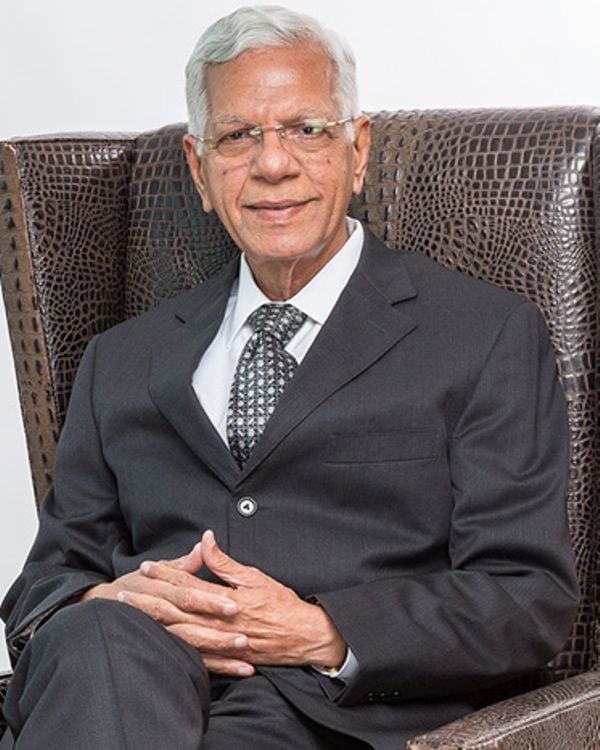 Celebrities
Chandru Raheja
Veteran Indian businessman Chandru Raheja is the chairman of K. Raheja Corporation and a noted real-estate and retail leader.
Updated 2026-10-23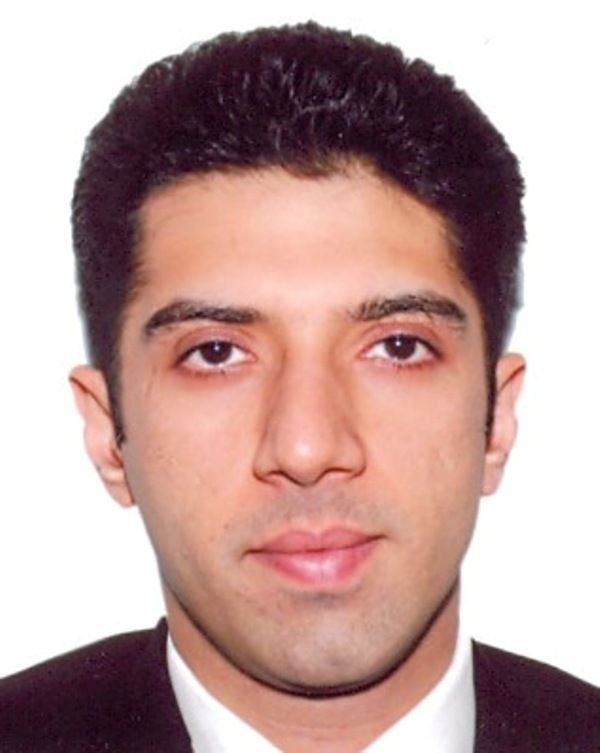 Celebrities
Neel Raheja
Neel Chandru Raheja was born on 27 June 1974 in Mumbai, Maharashtra. Raised in a family with deep roots in Indian real estate, he is the son of Chandru Raheja and Jyoti C. Raheja and a grandson of Lachmandas Raheja, the founder of the K. Raheja Group.
Updated 2026-10-04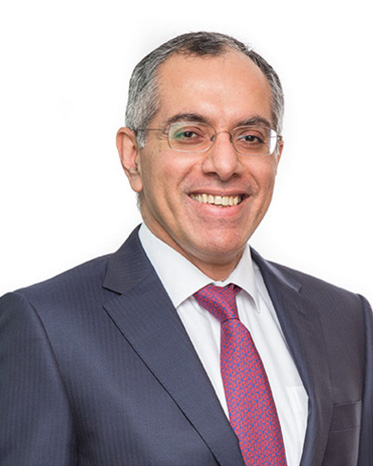 Celebrities
Ravi Raheja
Business leader Ravi Chandru Raheja is Group President at K. Raheja Corporation with a background in commerce and an MBA from London Business School.
Updated 2026-10-23 Celebrities
1eye43
Indian rapper 1eye43, born Vivek in Chandigarh, rose from hardship to build a following with viral 2024 tracks.
Updated 2026-10-23