
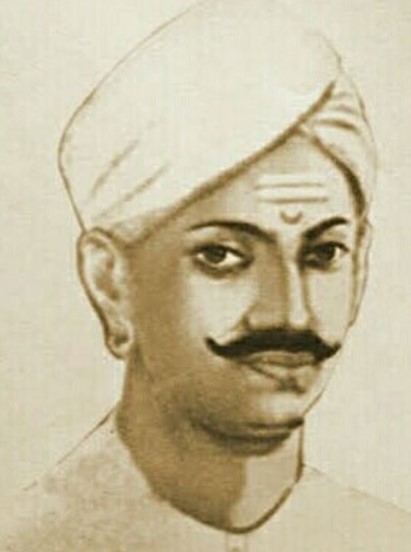
 Featured Biography
Image source: StarsUnfolded
Quick Info
Date of birth19 July 1827
Age30 Years (at time of death)
BirthplaceNagwa, Ballia district, Ceded and Conquered Provinces, Company India
ProfessionSoldier
NationalityBritish Indian
Marital statusUnmarried (at time of death)
FamilyFather - Diwakar Pandey; Mother - Abhay Rani
Mangal Pandey Biography
Mangal Pandey was a sepoy in the Bengal Army whose actions in March 1857 at Barrackpore are widely regarded as a significant spark for the Indian rebellion
Early life and backgroundMangal Pandey was born on 19 July 1827 in Nagwa, a village in Ballia district in the Ceded and Conquered Provinces of Company India. He came from a Hindu family; his father was Diwakar Pandey and his mother was Abhay Rani. Records note that he belonged to a Brahmin caste and that his hometown is listed as Nagwa.
Career
Pandey enlisted in the Bengal Army of the British East India Company in 1849. He served as a sepoy in the 34th Regiment of the Bengal Native Infantry, assigned to the 5th Company. He remained in service through 1857.
On 29 March 1857, while posted at Barrackpore, Pandey became involved in a violent confrontation that drew immediate attention from British officers. Accounts from the time describe him threatening European personnel with a loaded musket and calling for his fellow soldiers to rise. The incident escalated when Lieutenant Baugh rode toward the disturbance, and a clash followed during which Baugh fell from his horse after being fired upon and then returned fire. A British sergeant named Hewson and a soldier called Shaikh Paltu became involved during the melee, and Jemadar Ishwari Prasad, an Indian officer in the quarter-guard, was later implicated for not detaining Pandey. Testimony from the episode indicates that many sepoys were present but did not intervene.
Pandey sustained injuries in the confrontation. While being apprehended, he is reported to have fired his musket and, at one point, set his own jacket on fire by putting the muzzle against his chest and pressing the trigger with his foot. After recovering sufficiently to stand trial, he told the court that he had acted on his own and claimed to have been under the influence of intoxicants at the time of the events.
The British authorities tried and sentenced Pandey to death. He was executed by hanging on 8 April 1857 in Barrackpore. Jemadar Ishwari Prasad was also sentenced and executed later that month.
Public profile
Historians and contemporary sources have debated Pandey’s motives. During the Barrackpore incident, he was reported to have shouted slogans referencing the presence of Europeans and concerns that biting the Enfield rifle cartridges would make soldiers impure. In his later statements he attributed his actions to being under the influence of substances such as bhang and opium and denied having been encouraged by others.
The wider context of the episode included growing distrust among Indian soldiers toward the new Enfield P-53 rifle cartridges, which many believed were greased with cow and pig fat—an issue that offended both Hindu and Muslim religious sensibilities because soldiers were required to bite the cartridge before loading the rifle. The Barrackpore confrontation is often cited as an early and catalyzing event that helped the unrest spread to other garrisons and cities, including Meerut, Delhi, Cawnpore, and Lucknow. The incident contributed to a decline in confidence in the East India Company’s authority and preceded the transfer of rule to the British Crown.
Legacy
Mangal Pandey has been remembered in India as a prominent figure connected to the 1857 uprising. The Government of India issued a postage stamp in his honor in 1984. A memorial park, Shaheed Mangal Pandey Maha Udyan, was later established at the Barrackpore site where his confrontation occurred, and a cenotaph commemorating him stands on Surendranath Banerjee Road in Barrackpore Cantonment.
Representation in popular culture
Pandey’s life and actions have been depicted in Indian cinema. In 2005, a film titled Mangal Pandey – The Rising was released, in which the actor Aamir Khan portrayed him.
Latest updates
Available records note that Pandey’s scheduled execution had originally been set for 18 April 1857 but was carried out earlier, on 8 April 1857. He was 30 years old at the time of his death.
Editorial Review and Sources
This F4U profile is written from publicly available career and profile information, then reviewed for clarity before publication. If you spot an outdated detail about Mangal Pandey, send the page URL and a reliable correction source to f4udotin@gmail.com.
Reference context: StarsUnfoldedAccuracy
Request a Correction
Tell us what needs to be updated and share a reliable source so the editorial team can review it.
Ownership
Claim This Profile
If this profile is about you or your client, send your contact details and verification context.
Recent Work
Feature film portrayal of Mangal Pandey, released in 2005 with actor Aamir Khan in the lead role.
2005Career Highlights
- Joined the Bengal Army in 1849 as a sepoy in the 34th Bengal Native Infantry
- Central figure in the Barrackpore incident on 29 March 1857 that helped ignite wider rebellion
- Executed by the British on 8 April 1857
People Also Search For
Frequently Asked Questions
When was Mangal Pandey born?
Mangal Pandey was born on 19 July 1827.
What is Mangal Pandey known for?
Mangal Pandey is known for soldier.
What is Mangal Pandey’s marital status?
Mangal Pandey's marital status is listed as Unmarried (at time of death).
Related Biographies
View all →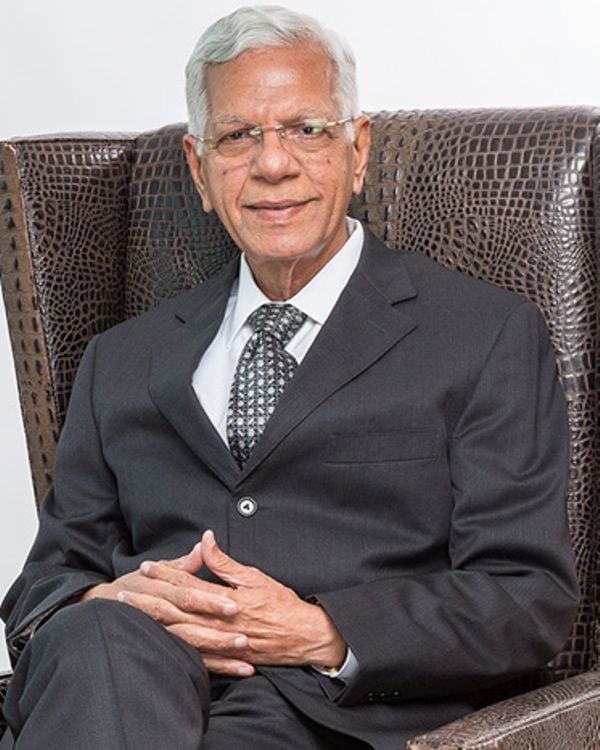 Celebrities
☑️Chandru Raheja
Chandru Lachmandas Raheja is an Indian businessman known for leading K. Raheja Corporation and for his long career in real estate, retail and hospitality.ト
Updated 2026-10-04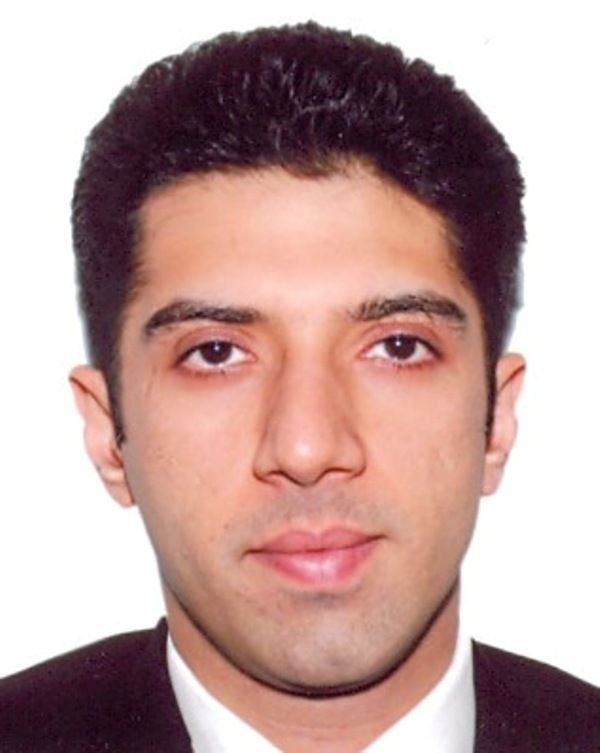 Celebrities
✅Neel Raheja
Neel Chandru Raheja is an Indian businessman who serves as Group President of K Raheja Corp. Born in Mumbai in 1974, he has guided the family's expansion—b
Updated 2026-10-04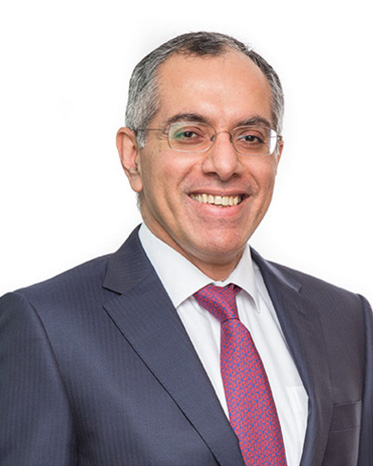 Celebrities
✅Ravi Raheja
Ravi Chandru Raheja is an Indian businessman known for his leadership role at K. Raheja Corporation. Born and raised in Mumbai, he holds degrees from the H
Updated 2026-10-04 Celebrities
1eye43
Indian rapper 1eye43, born Vivek, rose from challenging early circumstances in Chandigarh to build a following for his music. Known for distinctive tattoos
Updated 2026-10-22