
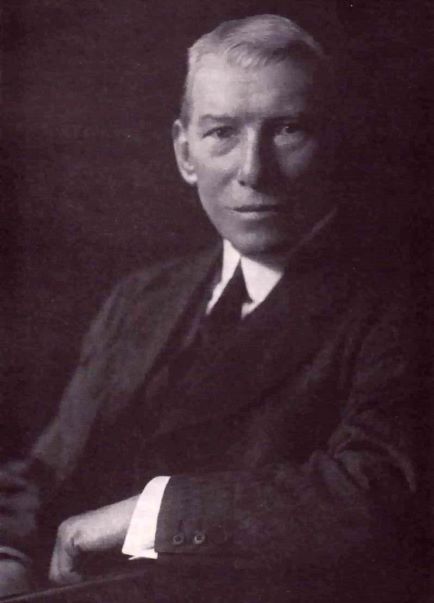
 Featured Biography
Image source: StarsUnfolded
Quick Info
Date of birth28 April 1864
Age75 Years
BirthplaceBarronstown, Limerick Junction, County Tipperary, Ireland
ProfessionColonial Administrator
NationalityBritish
Marital statusMarried
SpouseUna O'Dwyer
FamilyDaughter - Una Mary O'Dwyer; Son - had a son
Michael O'Dwyer Biography
Sir Michael Francis O'Dwyer was born on 28 April 1864 in Barronstown, Limerick Junction, County Tipperary, Ireland.
Early life and backgroundSir Michael Francis O'Dwyer was born on 28 April 1864 in Barronstown, Limerick Junction, County Tipperary, Ireland. He was the sixth of a large family and grew up in a rural household; his parents were John O'Dwyer, a local landowner, and Margaret (née Quirke) O'Dwyer. Two of his siblings entered the Jesuit priesthood, and several of his brothers and sisters followed careers that took them beyond Ireland.
O'Dwyer was educated first at St. Stanislaus College in Rahan, County Offaly, and later at a crammer school in Powis Square, London. He completed two years of probation at Balliol College, Oxford, where he achieved strong academic results, including a first-class division in jurisprudence in his final year. He qualified in the Indian Civil Service examinations in the early 1880s and sailed for India in 1885 to begin his career in the ICS.
Career
Michael O'Dwyer's early postings took him to the Punjab province. His first assignment was at Shahpur in 1885, where he worked on inland revenue settlement. Over the following decades he held a succession of administrative roles in British India: director of land records and agriculture in the Punjab region (including work related to Alwar and Bharatpur), revenue commissioner from 1901 to 1908, acting resident in Hyderabad in 1908–1909, and agent to the governor-general in Central India from 1910 to 1912.
In December 1912 he was appointed Lieutenant Governor of Punjab. The following year he was made a Knight Commander of the Order of the Star of India. During the First World War he organized a centralized recruitment system in Punjab that enlisted large numbers of Punjabi soldiers for service in the British Indian Army. His efforts were recognized with further honours, including appointment as a Knight Grand Cross of the Order of the Indian Empire.
O'Dwyer was an active proponent of strong measures to suppress revolutionary activity. He was one of the administrators involved in securing passage of the Defence of India Act in 1915, emergency legislation intended to curb nationalist and revolutionary activity during the war. He opposed political reforms that he believed would empower urban elites at the expense of the rural leadership and the recruiting networks he had helped build.
The 1919 Amritsar events
In March 1919, O'Dwyer ordered surveillance of regional nationalist leaders in Amritsar, and the subsequent detention and secret removal of two prominent local figures sparked protest. On 13 April 1919, a large gathering at Jallianwala Bagh in Amritsar was fired upon by troops under Brigadier-General Reginald Dyer. As Lieutenant Governor of Punjab at the time, O'Dwyer received reports of the incident and communicated approval of Dyer's actions. Within days martial law was imposed across parts of Punjab.
The Jallianwala Bagh shootings were a watershed moment in modern Indian history and intensified calls for self-rule across India. O'Dwyer defended the steps taken by the colonial administration, arguing that the gathering was unlawful and part of a larger conspiracy. His stance and decisions during this period have been the subject of extensive historical debate.
Public profile
O'Dwyer built a public reputation as a firm colonial administrator who prioritized order and security. He published a memoir, India as I Knew It, in 1925, which discussed his views on political agitation and the challenges he faced while administering Punjab. His policies, particularly those related to recruitment and suppression of dissent, shaped the political landscape of the province during and after the First World War.
Personal life
Michael O'Dwyer married Una O'Dwyer on 21 November 1896. The couple had at least two children: a daughter, Una Mary O'Dwyer, and a son. He retained strong connections to his Irish origins even as his professional life was spent in British India.
Death
Michael O'Dwyer was assassinated on 13 March 1940 at Caxton Hall in Westminster, London. He was 75 years old at the time of his death and was buried at Brookwood Cemetery.
Latest updates
O'Dwyer's name remains associated with the events in Amritsar in 1919 and with the wider history of British rule in India. His administrative career and the decisions he took in Punjab continue to be analyzed and debated by historians and commentators.
Editorial Review and Sources
This F4U profile is prepared from the public references listed below and reviewed for clarity. If you spot an outdated detail about Michael O'Dwyer, send the page URL and a reliable correction source to f4udotin@gmail.com.
Accuracy
Request a Correction
Tell us what needs to be updated and share a reliable source so the editorial team can review it.
Ownership
Claim This Profile
If this profile is about you or your client, send your contact details and verification context.
Recent Work
Memoir reflecting on his years administering Punjab and his views on political agitation
1925Career Highlights
- Appointed Lieutenant Governor of Punjab (1912–1919)
- Director of Land Records and Agriculture in Punjab
- Revenue Commissioner (1901–1908)
- Agent to the Governor-General in Central India (1910–1912)
- Knight Commander of the Order of the Star of India (1913)
- Knight Grand Cross of the Order of the Indian Empire (honour for wartime recruitment efforts)
People Also Search For
Frequently Asked Questions
When was Michael O'Dwyer born?
Michael O'Dwyer was born on 28 April 1864.
What is Michael O'Dwyer known for?
Michael O'Dwyer is known for colonial Administrator.
What is Michael O'Dwyer’s marital status?
Michael O'Dwyer's marital status is listed as Married.
Who is Michael O'Dwyer married to?
Michael O'Dwyer is publicly listed as married to Una O'Dwyer.
Related Biographies
View all →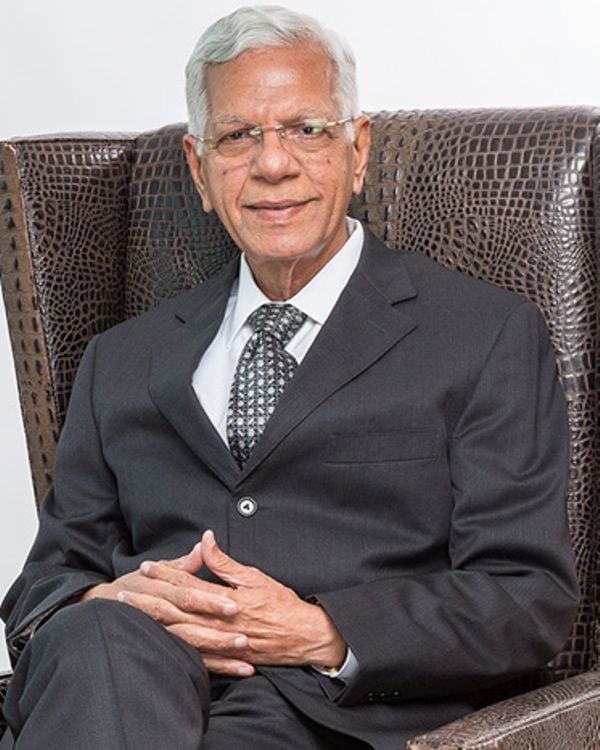 Celebrities
Chandru Raheja
Veteran Indian businessman Chandru Raheja is the chairman of K. Raheja Corporation and a noted real-estate and retail leader.
Updated 2026-10-23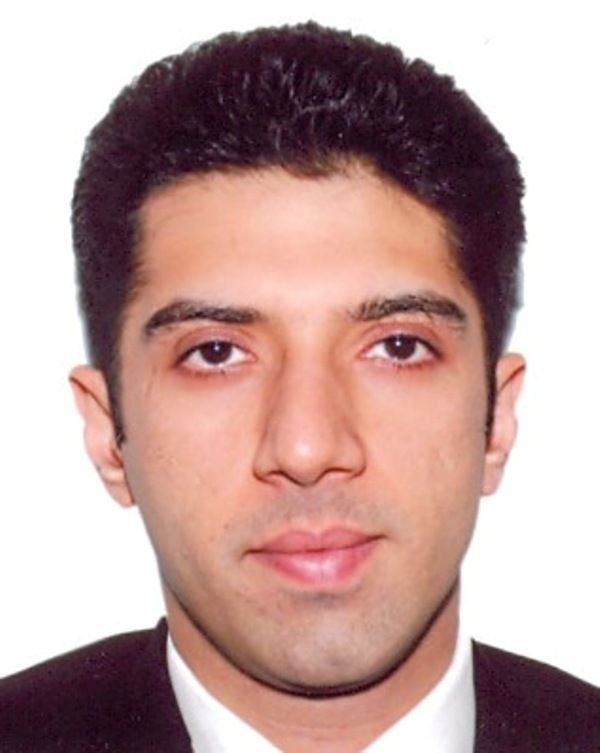 Celebrities
Neel Raheja
Neel Chandru Raheja was born on 27 June 1974 in Mumbai, Maharashtra. Raised in a family with deep roots in Indian real estate, he is the son of Chandru Raheja and Jyoti C. Raheja and a grandson of Lachmandas Raheja, the founder of the K. Raheja Group.
Updated 2026-10-04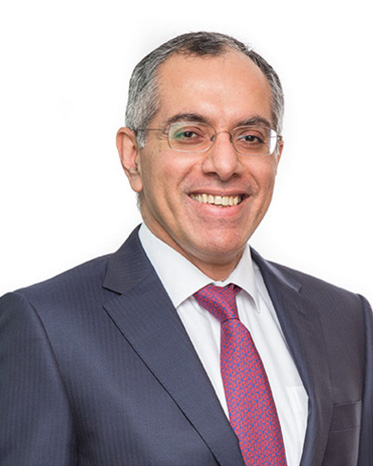 Celebrities
Ravi Raheja
Business leader Ravi Chandru Raheja is Group President at K. Raheja Corporation with a background in commerce and an MBA from London Business School.
Updated 2026-10-23 Celebrities
1eye43
Indian rapper 1eye43, born Vivek in Chandigarh, rose from hardship to build a following with viral 2024 tracks.
Updated 2026-10-23