
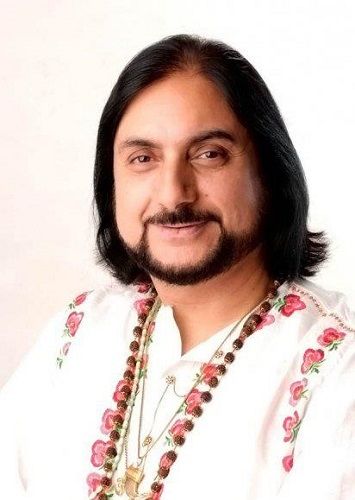
 Featured Biography
Image source: StarsUnfolded
Celebrities
Pandit Bhajan Sopori Biography: Age, Career, Family and More
Quick Info
Date of birth22 June 1948
Age73 (at time of death)
BirthplaceSopore, Jammu and Kashmir, India
ProfessionSantoor player, composer, teacher
NationalityIndian
Marital statusMarried
SpouseProfessor Aparna Sopori
FamilyTwo sons: Sorabh Sopori and Abhay Sopori; father Pandit Shamboo Nath Sopori; grandfather Pandit Samsar Chand Sopori
Pandit Bhajan Sopori Biography
Pandit Bhajan Sopori was an Indian santoor maestro from Sopore, Jammu and Kashmir. An eighth-generation musician from a family of santoor players, he built
Early life and backgroundBhajan Lal Sopori was born on 22 June 1948 in Sopore, in the Kashmir region of Jammu and Kashmir, India. He grew up in a household steeped in the santoor tradition: his grandfather Pandit Samsar Chand Sopori and his father Pandit Shamboo Nath Sopori were both santoor players, and he became the eighth generation in his family to take up the instrument. He gave his first public performance at the age of five and by ten was appearing at a conference at the Prayag Sangeet Samiti, University of Allahabad, where his playing helped raise the profile of the santoor as a solo instrument.
He pursued formal musical education alongside broader studies. His qualifications include advanced degrees in Indian classical music with specialisations in sitar and santoor, a master’s in English literature, and a degree in Western classical music from Washington University in the United States.
Career
Pandit Bhajan Sopori established himself as a versatile musician, composer and teacher. He worked with All India Radio in different capacities, including a posting in New Delhi around 1990. After several years away from Jammu and Kashmir, he returned to the valley and focused much of his later work on promoting the region’s folk traditions and encouraging young musicians.
He was known not only as a santoor virtuoso but also as a composer and arranger. Sopori composed more than 6,000 songs across languages including Hindi, Kashmiri, Dogri, Sindhi, Urdu and Bhojpuri. His output ranged from patriotic compositions and choral arrangements to ghazal settings and music for saint-poets such as Kabir Das and Meera Bai. He created new ragas and composed works named Laleshwari, Patwanti and Nirmalkauns, and he is noted as the youngest composer to have written for the National Orchestra of India (Vadya Vrinda) as of 2022.
Sopori’s compositions were used in public events and civic projects as well: he produced patriotic Tarana-e-Watan material and choral works that involved thousands of students in the Kashmir valley. He also composed music for Republic Day Parade tableaus and won the first prize for the Sangeet Natak Akademi tableau in 2010.
Beyond performance and composition, Sopori founded the Sopori Academy for Music and Performing Arts (SaMaPa) in New Delhi in 2011 to promote Indian classical music and music education. SaMaPa undertook outreach including classes in prisons in Jammu and Kashmir, and in 2012 he instituted the SaMaPa Vitasta Award, a competition with a cash prize for emerging talent.
Public profile
Pandit Bhajan Sopori received extensive recognition at national and international levels for his contributions to music. Honors listed in his career include the Padma Shri (2004), the Sangeet Natak Akademi Award (1993), and numerous lifetime achievement awards, regional honours and titles spanning decades. He was awarded honorary doctorates and received prizes from state governments, cultural organisations and music societies. His name appears in multiple biographical compendiums and he was commemorated on an Indian postage stamp.
His musical skills extended beyond the santoor; he was also proficient on instruments such as the guitar, mouth organ and sarod. In addition to performing and composing, Sopori worked as a teacher, writer and poet. His music has been used in music therapy contexts, and he maintained an active role in nurturing musical life in Jammu and Kashmir and beyond.
Personal life
Sopori was married to Professor Aparna Sopori. He and his wife had two sons, Sorabh Sopori and Abhay Sopori; Abhay is also a santoor player. His father was Pandit Shamboo Nath Sopori, and his grandfather was Pandit Samsar Chand Sopori, both practitioners of the family’s santoor tradition.
Illness and passing
Pandit Bhajan Sopori’s health declined after a diagnosis of colon cancer. He was admitted for immunotherapy treatment at Fortis Hospital in Gurugram, Haryana, and died there on 2 June 2022 at the age of 73. His last rites were performed at the Lodhi Road crematorium in Delhi. Following his passing, public figures and the musical community noted his long-standing influence on Indian classical music and in particular on the standing of the santoor as a concert instrument.
Latest updates
Even after his death, Sopori’s institutions and compositions continue to be part of the musical landscape. SaMaPa remains a named legacy of his commitment to teaching and promotion of classical and folk music traditions, and his recorded and composed works continue to be performed by students and colleagues.
Editorial Review and Sources
This F4U profile is written from publicly available career and profile information, then reviewed for clarity before publication. If you spot an outdated detail about Pandit Bhajan Sopori, send the page URL and a reliable correction source to f4udotin@gmail.com.
Reference context: StarsUnfoldedAccuracy
Request a Correction
Tell us what needs to be updated and share a reliable source so the editorial team can review it.
Ownership
Claim This Profile
If this profile is about you or your client, send your contact details and verification context.
Recent Work
Established the academy in New Delhi in 2011 to promote Indian classical music and run outreach programmes including prison classes; launched the SaMaPa Vitasta Award in 2012.
2011-2012Career Highlights
- Eighth generation santoor player from Sopore, Jammu and Kashmir
- Composed over 6,000 songs across multiple Indian languages
- Recipient of Padma Shri (2004) and Sangeet Natak Akademi Award (1993)
- Founder of SaMaPa to promote music education and outreach
- Composer for the National Orchestra of India (Vadya Vrinda); winner of Sangeet Natak Akademi tableau prize (2010)
People Also Search For
Frequently Asked Questions
When was Pandit Bhajan Sopori born?
Pandit Bhajan Sopori was born on 22 June 1948.
What is Pandit Bhajan Sopori known for?
Pandit Bhajan Sopori is known for santoor player, composer, teacher.
What is Pandit Bhajan Sopori’s marital status?
Pandit Bhajan Sopori's marital status is listed as Married.
Who is Pandit Bhajan Sopori married to?
Pandit Bhajan Sopori is publicly listed as married to Professor Aparna Sopori.
Related Biographies
View all →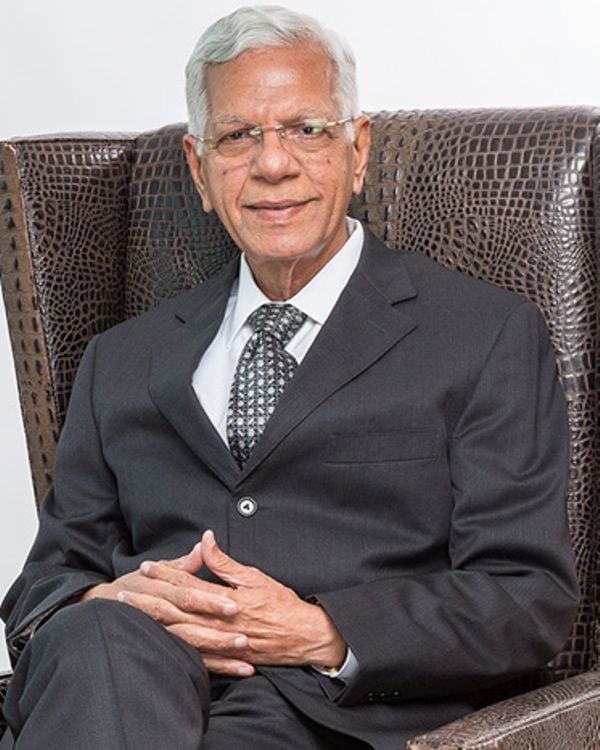 Celebrities
☑️Chandru Raheja
Chandru Lachmandas Raheja is an Indian businessman known for leading K. Raheja Corporation and for his long career in real estate, retail and hospitality.ト
Updated 2026-10-04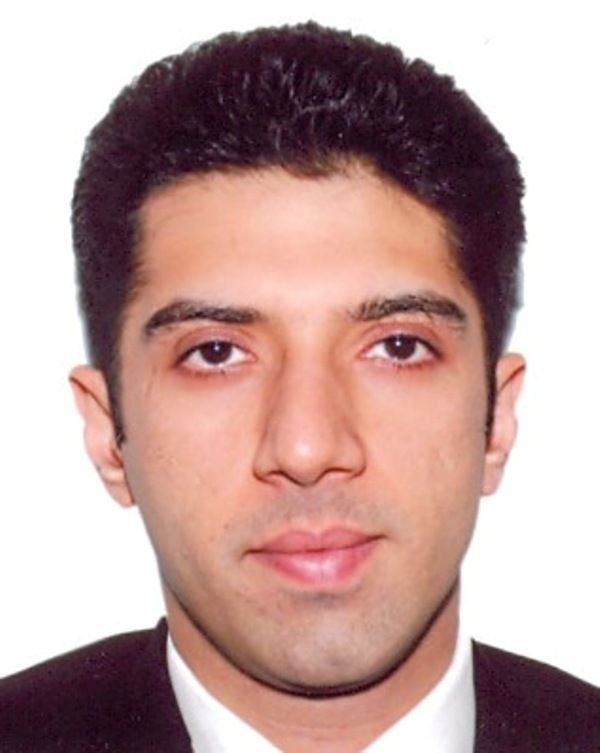 Celebrities
✅Neel Raheja
Neel Chandru Raheja is an Indian businessman who serves as Group President of K Raheja Corp. Born in Mumbai in 1974, he has guided the family's expansion—b
Updated 2026-10-04 Celebrities
✅Ravi Raheja
Ravi Chandru Raheja is an Indian businessman known for his leadership role at K. Raheja Corporation. Born and raised in Mumbai, he holds degrees from the H
Updated 2026-10-04 Celebrities
1eye43
Indian rapper 1eye43, born Vivek, rose from challenging early circumstances in Chandigarh to build a following for his music. Known for distinctive tattoos
Updated 2026-10-22