
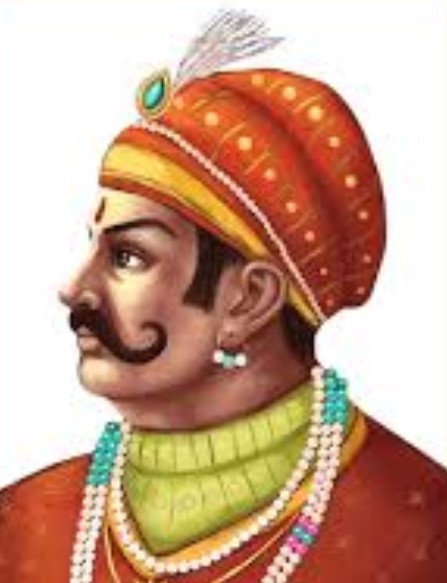
 Featured Biography
Image source: StarsUnfolded
Celebrities
Prithviraj Chauhan Biography: Age, Career, Family and More
Quick Info
Date of birth1 June 1163
Age28 Years (at death)
BirthplacePatan, Gujarat, India
ProfessionIndian King, 12th-century King from the Chauhan dynasty
NationalityIndian
Marital statusMarried
SpouseSamyukta
FamilyFather - Someshwara; Mother - Karpurdevi; Son - Govind Chauhan; Siblings - Hariraj, Pritha
Prithviraj Chauhan Biography
Prithviraj Chauhan, also known by several epithets including Bharateshwar and Rai Pithoragarh, was born on 1 June 1163 in Patan, Gujarat. He was the son of Someshvara, a king of the Chahamana (Chauhan) line, and Karpurdevi, a Kalachuri princess.
Early life and backgroundPrithviraj Chauhan, also known by several epithets including Bharateshwar and Rai Pithoragarh, was born on 1 June 1163 in Patan, Gujarat. He was the son of Someshvara, a king of the Chahamana (Chauhan) line, and Karpurdevi, a Kalachuri princess. Sources record that he spent parts of his childhood in areas that today are in Uttar Pradesh and Madhya Pradesh, and the family later moved their base to Ajmer in Rajasthan.
Prithviraj inherited the throne as a boy after his father’s death in about 1177 CE. Because he was still a minor, his mother and a regency council ran the affairs of state; key officials of the regency included the minister known variously as Kadambavasa, Kaimasa, Kaimash, or Kaimbasa, and Bhuvanaikamalla, a relative on his mother’s side. The contemporary court poet Chand Bardai credits the council and ministers with early military successes. Historical assessments indicate that Prithviraj assumed direct control of government around 1180 CE.
Career
Prithviraj’s reign, approximately from 1177 to 1192 CE, saw both military expansion and intense conflicts with neighboring rulers. Early in his career he overcame internal rivals, defeating his cousin Nagarjuna, a claimant to the Chahamana throne, and later pressing campaigns against regional polities such as the Bhadanakas, who controlled territories now identified with Bhiwani, Rewari, and Alwar.
Literary sources and later chronicles attribute to him campaigns into the territories ruled by the Chandelas and other neighbors. Some texts describe attacks on Jejakabhukti (the Chandela realm) and actions against Paramara holdings, though accounts vary between works and later writers. Several period and post‑period writings portray him as a king who sought wide conquest across the region.
Prithviraj’s reign is most widely remembered for his clashes with Muhammad of Ghor. In 1191 CE he led a confederation of Rajput rulers and defeated a Ghurid force near Taraori (Tarain). The following year, Muhammad of Ghor returned with a larger and better‑prepared army that used mounted archers and feigned maneuvers to disrupt the Chahamana forces. Contemporary and later narratives recount a major reversal in 1192 CE at the second battle of Tarain, where the Chahamana army suffered heavy losses and Prithviraj was ultimately captured. Accounts differ in detail, but they concur that Ajmer fell to the Ghurids soon after the battle.
Several chronicled works and poems — Hindu, Jain, and later Muslim historians — record these events in varying ways. Some sources describe internal dissension, disputed ministerial actions, and battlefield stratagems that contributed to the Ghurid victory. After his capture, many life details are preserved more in literary tradition than in corroborated contemporary records.
Public profile
Prithviraj features in multiple medieval narratives and poetic works written by Hindu and Jain authors, and he became a prominent figure in later epic chronicles. The court poem Prithviraja Vijaya, composed by his court poet Chand Bardai, is the principal surviving contemporary account associated with his court. Other texts that discuss his life include Prithviraj Raso and various Prabandha collections; these works mix history with legend, and they have shaped Prithviraj’s enduring reputation.
The traditions surrounding Prithviraj include stories of personal alliances, rivalries with neighboring rulers such as Jayachandra of the Gahadavala dynasty, and a celebrated marriage to Samyukta (also rendered as Samyogita in some accounts). Later narratives link aspects of his personal life to shifts in his political fortunes, though such connections are presented differently across sources.
Latest updates
Historically grounded texts continue to be the main source of information about Prithviraj Chauhan. Scholarship draws on the surviving contemporaneous poem Prithviraja Vijaya and later medieval chronicles to reconstruct his reign, military campaigns, and the circumstances of his capture in 1192 CE. Because accounts vary and blend poetic convention with chronicling, modern reconstructions emphasize cross‑comparison of sources and caution about unverified details.
Prithviraj’s reign left a lasting imprint on the regional memory of northern India; he is remembered as the ruler of Sapadalaksha with his capital at Ajmer, and as a central figure in the transitionary period of late 12th‑century north‑western Indian history.
Editorial Review and Sources
This F4U profile is prepared from the public references listed below and reviewed for clarity. If you spot an outdated detail about Prithviraj Chauhan, send the page URL and a reliable correction source to f4udotin@gmail.com.
Accuracy
Request a Correction
Tell us what needs to be updated and share a reliable source so the editorial team can review it.
Ownership
Claim This Profile
If this profile is about you or your client, send your contact details and verification context.
Recent Work
King of the Chahamanas of Shakambhari, ruling c. 1177–1192 CE from Ajmer and expanding his realm across northern India.
1177–1192Career Highlights
- Inherited the Chahamana throne as a minor around 1177 CE and assumed full control by c. 1180 CE
- Defeated regional rivals including his cousin Nagarjuna and the Bhadanakas
- Led a confederation of Rajput rulers to victory against a Ghurid force at the First Battle of Tarain in 1191 CE
- Was defeated, captured, and lost Ajmer after the Second Battle of Tarain in 1192 CE
People Also Search For
Frequently Asked Questions
When was Prithviraj Chauhan born?
Prithviraj Chauhan was born on 1 June 1163.
What is Prithviraj Chauhan known for?
Prithviraj Chauhan is known for indian King, 12th-century King from the Chauhan dynasty.
What is Prithviraj Chauhan’s marital status?
Prithviraj Chauhan's marital status is listed as Married.
Who is Prithviraj Chauhan married to?
Prithviraj Chauhan is publicly listed as married to Samyukta.
Related Biographies
View all →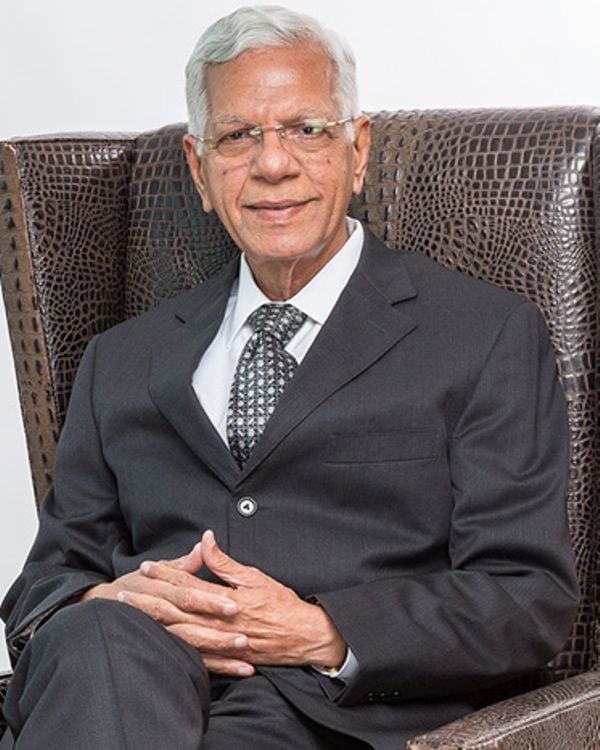 Celebrities
Chandru Raheja
Veteran Indian businessman Chandru Raheja is the chairman of K. Raheja Corporation and a noted real-estate and retail leader.
Updated 2026-10-23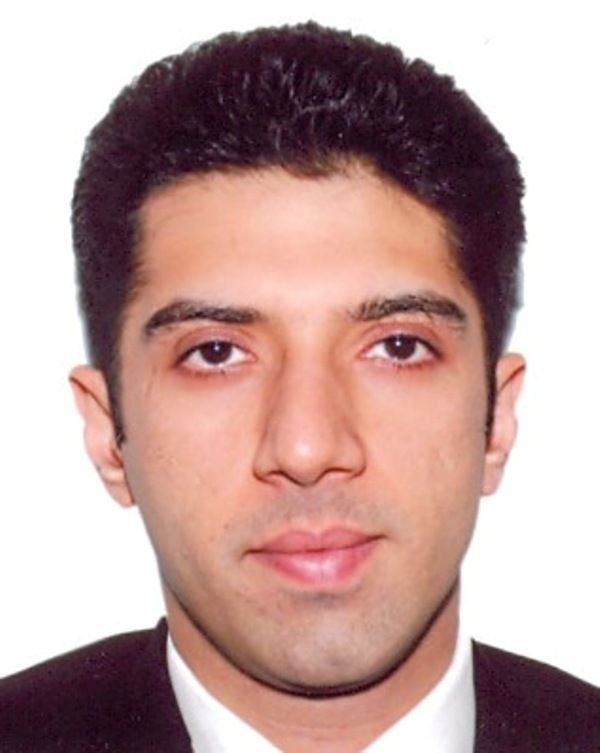 Celebrities
Neel Raheja
Neel Chandru Raheja was born on 27 June 1974 in Mumbai, Maharashtra. Raised in a family with deep roots in Indian real estate, he is the son of Chandru Raheja and Jyoti C. Raheja and a grandson of Lachmandas Raheja, the founder of the K. Raheja Group.
Updated 2026-10-04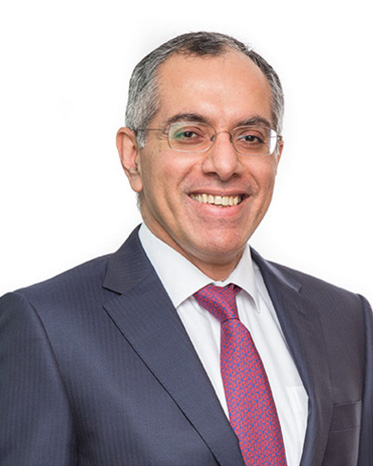 Celebrities
Ravi Raheja
Business leader Ravi Chandru Raheja is Group President at K. Raheja Corporation with a background in commerce and an MBA from London Business School.
Updated 2026-10-23 Celebrities
1eye43
Indian rapper 1eye43, born Vivek in Chandigarh, rose from hardship to build a following with viral 2024 tracks.
Updated 2026-10-23