
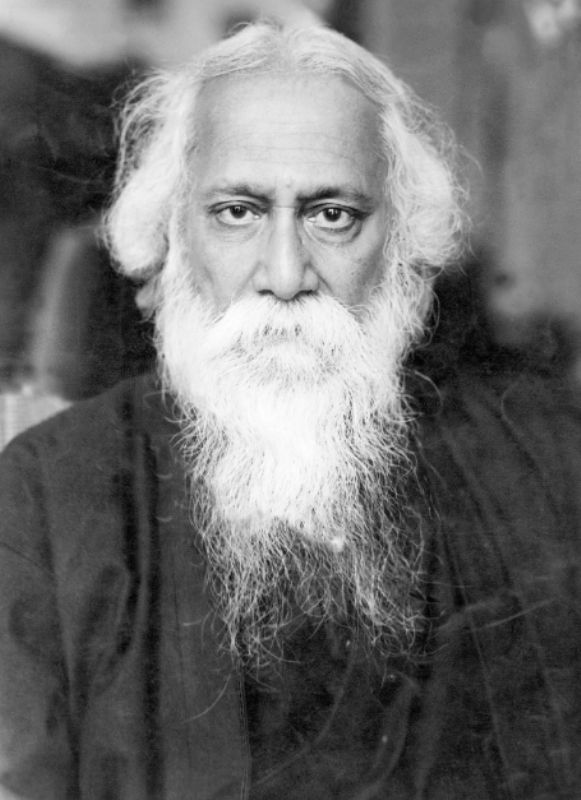
 Featured Biography
Image source: StarsUnfolded
Celebrities
Rabindranath Tagore Biography: Age, Career, Family and More
Quick Info
Date of birth7 May 1861
Age80 Years
BirthplaceJorasanko mansion, Calcutta, Bengal Presidency, British India (present-day Kolkata, West Bengal, India)
ProfessionPolymath
NationalityBritish Indian
Marital statusWidower
SpouseMrinalini Devi
FamilyFive children (two sons, three daughters); parents Debendranath Tagore and Sarada Devi
Rabindranath Tagore Biography
Rabindranath Tagore was born Robindronath Thakur on 7 May 1861 in the Jorasanko mansion of Calcutta, in what was then the Bengal Presidency of British India.
Early life and backgroundRabindranath Tagore was born Robindronath Thakur on 7 May 1861 in the Jorasanko mansion of Calcutta, in what was then the Bengal Presidency of British India. The youngest of fourteen children, he grew up in a distinguished Bengali family: his father was Debendranath Tagore, a noted philosopher and religious thinker, and his mother was Sarada Devi. The household was at the centre of the Bengali Renaissance, and many of Tagore’s siblings pursued letters, music and public life.
Tagore’s early schooling took place in a mix of Bengali-medium and English-speaking schools in Calcutta; after age 14 he received much of his instruction at home. He also spent time at a public school in Brighton, England, and later enrolled at University College London, although he did not complete a formal degree. Late in life he was awarded an honorary doctorate by Oxford University in 1940.
Career
Tagore established himself as a prolific and versatile writer, composing poetry, short stories, plays, novels and essays, as well as songs and works for the theatre. His literary career began in the late 19th century: his first published story, "Bhikharini" (The Beggar Woman), appeared in 1877. Over the decades that followed he produced a steady stream of work across genres.
His short fiction includes well-known pieces such as Kabuliwala (1892), Nastanirh (1901), Atithi, Strir Patra and Haimanti. Tagore’s novels include Chokher Bali (1903), Noukadubi (1906), Gora (1910), Chaturanga (1916), Ghare Baire (1916), Shesher Kobita (1929), Jogajog (1929) and Char Odhyay (1934). He also wrote notable volumes of poetry, among them Gitanjali (published 4 August 1910), Manasi, Sonar Tori, Balaka and Purobi. His output extended to songs — he composed pieces such as Amar Shonar Bangla (1905), Banglar Mati Banglar Jol (1905) and Jana Gana Mana (1911), which later became nationally significant anthems.
Tagore was identified with the Bengali Renaissance and associated literary movements often described as Contextual Modernism. His work combined local cultural sources with broader spiritual and humanistic concerns, and he drew inspiration from diverse strands of Indian and folk religious thought.
Recognition and legacy
In 1913 Tagore received the Nobel Prize in Literature for Gitanjali, marking him as the first Asian Nobel laureate in literature. Over the years his name and influence inspired institutions, awards and public memorials: universities, literary prizes and cultural centres in India and abroad bear his name, streets and neighbourhoods have been named after him, and festivals such as Rabindra Jayanti commemorate his birth and work.
Public profile
Tagore was widely known by several honorifics, including the Bard of Bengal, Gurudev (a title used by contemporaries such as Mahatma Gandhi), Kavi Guru and Biswakabi. He used the pen name Bhanusimha early in his career and was familiarly called Rabi by those close to him.
His religious and philosophical outlook combined elements of Brahmo ideas with influences from the Baul tradition, the Upanishads, Kabir and Buddhist humanism. He rejected rigid institutional religion and emphasized a humanized, universal spiritual vision that informed much of his writing and public speaking.
Personal life
Tagore married Mrinalini Devi (born Bhabatarini) on 9 December 1883. They had five surviving children: two sons, Rathindranath (1888–1961) and Shamindranath (1896–1907), and three daughters, Madhurilata (Bela) (1886–1918), Renuka (1890–1904) and Meera (Atasi) (1892–1962). At the time of his death he was a widower.
He spent most of his life in Calcutta. His family traced its origins to the Rarhi Brahmin community; biographical accounts record details of the family’s lineage and social background.
Late life and death
Tagore continued publishing and reflecting on childhood and memory into his later years; his last published work, Chhelebela, an account of his childhood days, appeared in 1940. He died on 7 August 1941 at the Jorasanko mansion in Calcutta after a prolonged period of illness and coma. He was 80 years old at the time of his death.
Controversies and public debates
Throughout his life Tagore’s positions attracted debate. He was criticized for arranging marriages of his daughters during childhood despite earlier public opposition to the practice. His outspoken views on nationalism and his international connections also drew press criticism at times, and he faced political controversy over alleged links between Indian nationalists and foreign funding during the anti-colonial era.
Latest updates
Institutes, awards and public spaces named after Tagore continue to shape his public legacy. Modern festivals, academic prizes and cultural institutions perpetuate interest in his writings, music and social thought, while streets and neighbourhoods in several countries commemorate his name.
Editorial Review and Sources
This F4U profile is prepared from the public references listed below and reviewed for clarity. If you spot an outdated detail about Rabindranath Tagore, send the page URL and a reliable correction source to f4udotin@gmail.com.
Accuracy
Request a Correction
Tell us what needs to be updated and share a reliable source so the editorial team can review it.
Ownership
Claim This Profile
If this profile is about you or your client, send your contact details and verification context.
Recent Work
An account of his childhood days
1940Career Highlights
- First published story: Bhikharini (1877)
- Nobel Prize in Literature (1913) for Gitanjali
- Composer of songs including Amar Shonar Bangla and Jana Gana Mana
- Major novels include Chokher Bali, Gora and Ghare Baire
People Also Search For
Frequently Asked Questions
When was Rabindranath Tagore born?
Rabindranath Tagore was born on 7 May 1861.
What is Rabindranath Tagore known for?
Rabindranath Tagore is known for polymath.
What is Rabindranath Tagore’s marital status?
Rabindranath Tagore's marital status is listed as Widower.
Who is Rabindranath Tagore married to?
Rabindranath Tagore is publicly listed as married to Mrinalini Devi.
Related Biographies
View all →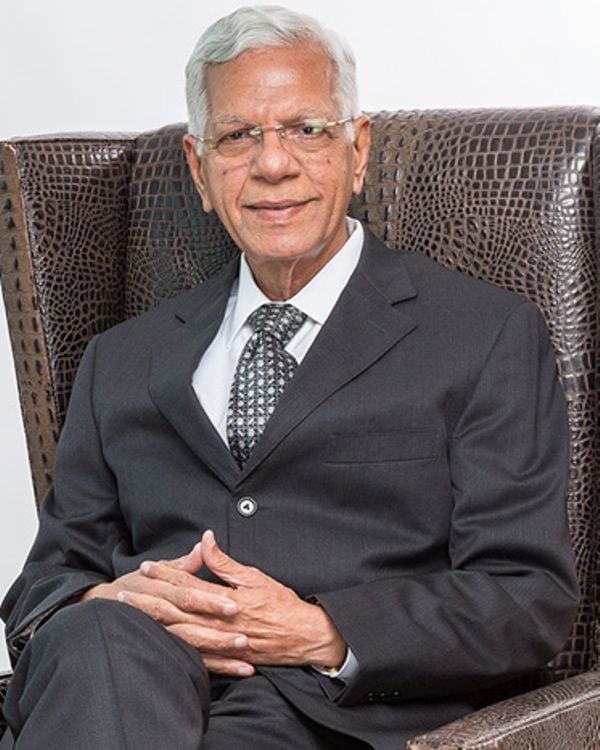 Celebrities
Chandru Raheja
Veteran Indian businessman Chandru Raheja is the chairman of K. Raheja Corporation and a noted real-estate and retail leader.
Updated 2026-10-23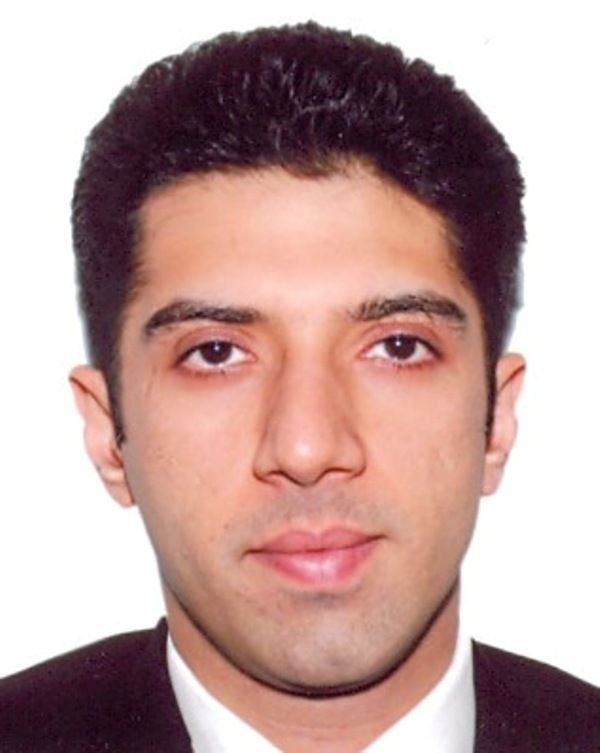 Celebrities
Neel Raheja
Neel Chandru Raheja was born on 27 June 1974 in Mumbai, Maharashtra. Raised in a family with deep roots in Indian real estate, he is the son of Chandru Raheja and Jyoti C. Raheja and a grandson of Lachmandas Raheja, the founder of the K. Raheja Group.
Updated 2026-10-04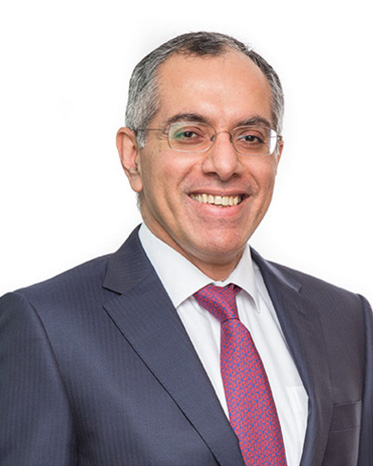 Celebrities
Ravi Raheja
Business leader Ravi Chandru Raheja is Group President at K. Raheja Corporation with a background in commerce and an MBA from London Business School.
Updated 2026-10-23 Celebrities
1eye43
Indian rapper 1eye43, born Vivek in Chandigarh, rose from hardship to build a following with viral 2024 tracks.
Updated 2026-10-23