
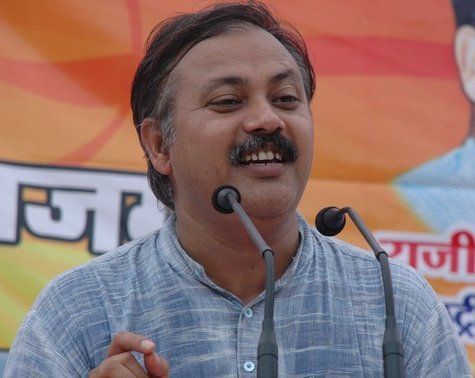
 Featured Biography
Image source: StarsUnfolded
Quick Info
Date of birth30 November 1967
Age43 (at time of death)
BirthplaceNah, Atrauli, Aligarh, Uttar Pradesh, India
ProfessionScientist, Social Activist
NationalityIndian
Marital statusUnmarried (Celibate)
FamilyFather: Radheshyam Dixit; Mother: Mithilesh Kumari; Brother: Pradeep Dixit; Sister: Lata Sharma
Rajiv Dixit Biography
Rajiv Dixit (30 November 1967 – 30 November 2010) was an Indian scientist and social activist known for promoting traditional health practices, swadeshi (v
Early life and backgroundRajiv Dixit was born on 30 November 1967 in Nah, Atrauli, in the Aligarh district of Uttar Pradesh, India. He grew up in a family with a history of public service; his grandfather had been involved in India’s freedom movement. His parents were Radheshyam Dixit, who served as a BTO officer, and Mithilesh Kumari. He had two siblings: a brother, Pradeep Dixit, and a sister, Lata Sharma.
Dixit’s schooling took place in a city school in the Firozabad district of Uttar Pradesh. He went on to study at J.K. Institute in Allahabad and later attended IIT Kanpur. He completed an M.Tech degree. Early in his academic career he travelled to the Netherlands for research, an experience that contributed to his interest in promoting ideas in native languages.
Career
Trained as a scientist, Dixit became best known as a social activist who focused on health, traditional practices, and economic self-reliance. He presented health and social guidance to wide audiences and wrote on topics connected to swadeshi medicine and agriculture. His published works include a four-volume set titled Swadeshi Chikitsa, and books on cow-based agriculture and Panchgavya therapies, reflecting his advocacy of indigenous approaches to health and farming.
Dixit’s activism extended into public campaigns against foreign corporate influence and international financial institutions. He was outspoken in his criticism of organisations and policies such as foreign direct investment, the World Bank, and the United Nations. In the 1990s he participated in protests targeting foreign presence in India; one episode in 1991 involving the Swiss businessman Arthur Dunkel led to arrest and a spell in Tihar Jail.
He formed alliances with other public figures who shared his agenda. In 1997 he connected with historian Dharampal, who provided documents related to India’s independence held in English libraries. Later, in 1999, Dixit met yoga teacher Baba Ramdev. A decade after their meeting, in 2009, they worked together to establish the Bharat Swabhiman Movement, an organisation aimed at tackling corruption and reducing foreign corporate influence; Dixit served as the movement’s national secretary.
Public profile
Dixit cultivated a public image grounded in ascetic personal habits and cultural conservatism. He followed a vegetarian diet, identified with Hinduism and the Brahmin caste, and described himself as celibate and unmarried. He avoided smoking and alcohol, and was known to spend a modest sum each month on reading material to stay informed. Among his personal interests were reading, writing and travel, and he expressed reverence for traditional figures such as the Ayurvedic author Vagbhatta and the cow as a symbol.
Controversies were a notable feature of Dixit’s public life. His forceful opposition to foreign investment and criticism of political leaders like Jawaharlal Nehru attracted media attention and debate. He also advanced contentious claims about events such as the Bhopal disaster. These positions made him a polarising figure and led to legal and public confrontations.
Death and legacy
Rajiv Dixit died on his 43rd birthday, 30 November 2010, in Bhilai, Chhattisgarh. Accounts of the cause of death vary: some sources say he suffered a heart attack possibly linked to gastric problems, while others report suspicions that he was poisoned. His passing prompted discussion among supporters and critics alike about his work and the circumstances surrounding his death.
Dixit left a legacy as an advocate for indigenous medicine, swadeshi economics, and language accessibility in scientific and social discourse. His writings and speeches continue to be cited by those who promote traditional health systems and self-reliant economic policies.
Latest updates
There are no new works or developments recorded beyond the establishment of the Bharat Swabhiman Movement in 2009 and Dixit’s death in 2010. His books and the organisations he helped to build remain the primary public record of his activities.
Editorial Review and Sources
This F4U profile is written from publicly available career and profile information, then reviewed for clarity before publication. If you spot an outdated detail about Rajiv Dixit, send the page URL and a reliable correction source to f4udotin@gmail.com.
Reference context: StarsUnfoldedAccuracy
Request a Correction
Tell us what needs to be updated and share a reliable source so the editorial team can review it.
Ownership
Claim This Profile
If this profile is about you or your client, send your contact details and verification context.
Recent Work
A multi-volume work on indigenous medicine and health practices.
A book advocating cow-based approaches to swadeshi agriculture.
A work on Panchgavya therapies derived from cow-based products.
Career Highlights
- Scientist who completed M.Tech and conducted research abroad.
- Social activist promoting swadeshi medicine and opposition to foreign corporate influence.
- National Secretary of the Bharat Swabhiman Movement, co-founded with Baba Ramdev in 2009.
- Author of multi-volume Swadeshi Chikitsa and books on cow-based agriculture and Panchgavya therapy.
People Also Search For
Frequently Asked Questions
When was Rajiv Dixit born?
Rajiv Dixit was born on 30 November 1967.
What is Rajiv Dixit known for?
Rajiv Dixit is known for scientist, Social Activist.
What is Rajiv Dixit’s marital status?
Rajiv Dixit's marital status is listed as Unmarried (Celibate).
Related Biographies
View all →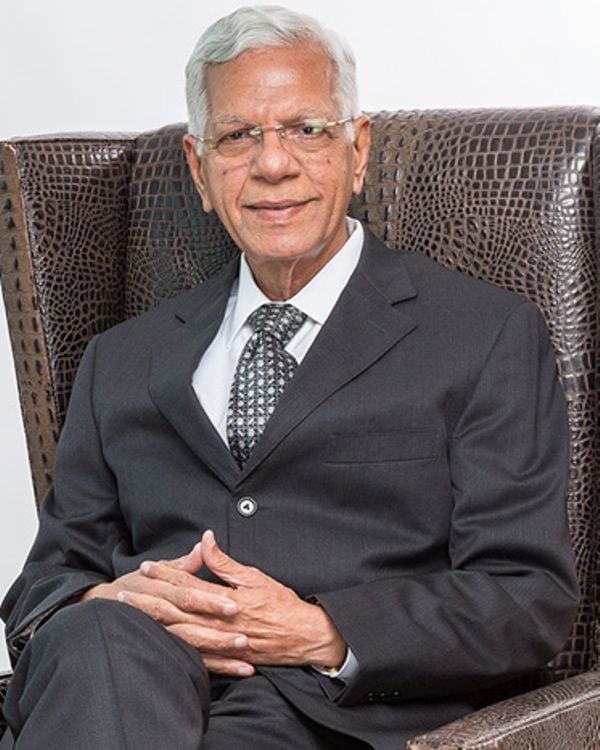 Celebrities
☑️Chandru Raheja
Chandru Lachmandas Raheja is an Indian businessman known for leading K. Raheja Corporation and for his long career in real estate, retail and hospitality.ト
Updated 2026-10-04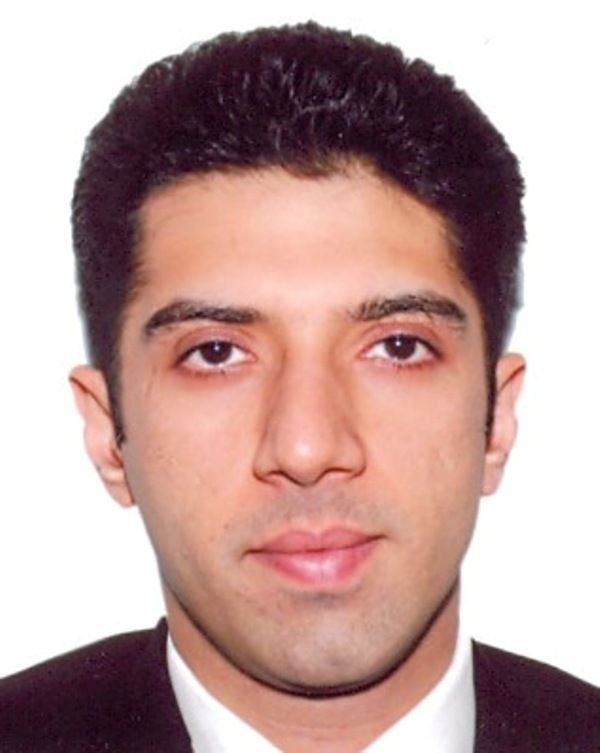 Celebrities
✅Neel Raheja
Neel Chandru Raheja is an Indian businessman who serves as Group President of K Raheja Corp. Born in Mumbai in 1974, he has guided the family's expansion—b
Updated 2026-10-04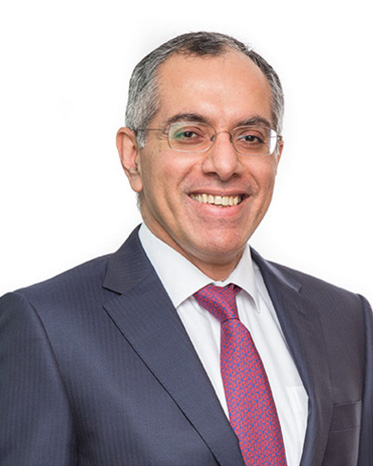 Celebrities
✅Ravi Raheja
Ravi Chandru Raheja is an Indian businessman known for his leadership role at K. Raheja Corporation. Born and raised in Mumbai, he holds degrees from the H
Updated 2026-10-04 Celebrities
6 Girlfriends Of Salman Khan
A look at six women who have been linked to Bollywood star Salman Khan over the years, from early romances to high-profile relationships that captured wide
Updated 2026-10-04