
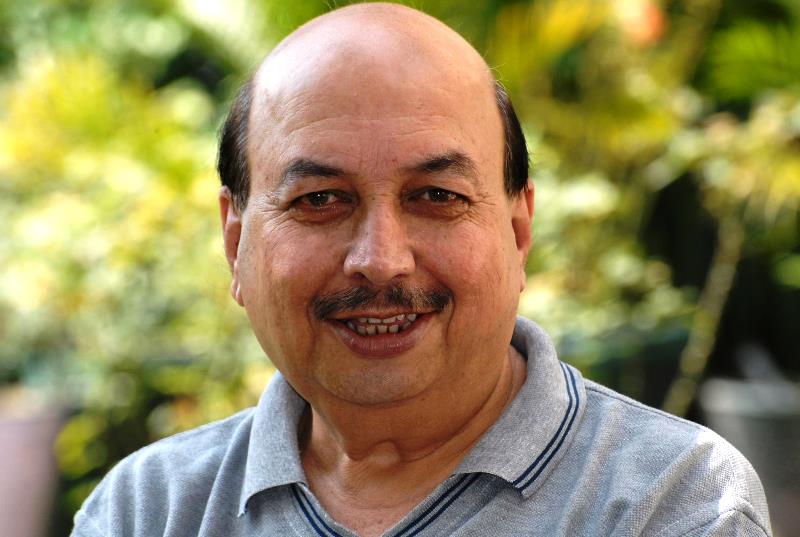
 Featured Biography
Image source: StarsUnfolded
Quick Info
Date of birth26 December 1949
Age76 years
BirthplaceSultaniya Zanana Hospital, Bhopal, Madhya Pradesh, India
ProfessionJournalist, Writer, Film Historian, Film Distributor
NationalityIndian
Marital statusMarried
SpouseSunita Keswani
FamilySon - Raunaq Keswani; Father - Dada Laxman Das Keswani (deceased); Mother - Krishnadevi Keswani (deceased)
Rajkumar Keswani Biography
Rajkumar Keswani was born on 26 December 1949 in Sultaniya Zanana Hospital, Bhopal, Madhya Pradesh. He came from a Sindhi family; his father Dada Laxman Das Keswani was a journalist, writer and social activist, and his mother was Krishnadevi Keswani.
Early life and backgroundRajkumar Keswani was born on 26 December 1949 in Sultaniya Zanana Hospital, Bhopal, Madhya Pradesh. He came from a Sindhi family; his father Dada Laxman Das Keswani was a journalist, writer and social activist, and his mother was Krishnadevi Keswani. Keswani grew up in Bhopal and completed higher studies at Saifia College and Barkatullah University, where he earned an MA and an LLB.
Career
Keswani began his journalism career while still in college, working as a sub-editor at Sports Times. Over the decades that followed he wrote for a wide range of newspapers and magazines, contributing to publications such as Dinmaan, Newstime, Tribune, The Week, The Asian Age, The Independent, The New York Times, The Illustrated Weekly of India, Sunday, The Sunday Observer, India Today, Outlook, Economic and Political Weekly, Indian Express, Jansatta and Navbharat Times.
He gained national recognition in the early 1980s for a sustained series of local reports about safety conditions at the Union Carbide India Limited pesticide plant in Bhopal. Prompted by the death of a friend who had worked at the factory and by information from former employees, Keswani spent months researching methyl isocyanate (MIC) and related hazards and published multiple warnings from 1982 onward about the risk posed to workers and nearby residents. His reporting appeared in local outlets and was later picked up more widely, including by larger national newspapers. Despite his warnings and a letter written to the state government, no effective action was taken by plant management or the authorities before the 1984 disaster.
In recognition of his journalistic work Keswani received the B. D. Goenka Award for Excellence in Journalism in 1985. He also won the Prem Bhatia Award for Outstanding Environmental Reporting in 2010.
Keswani continued a varied media career after the Bhopal episode. Between 1998 and 2003 he served as Madhya Pradesh-Chhattisgarh Bureau Chief for NDTV. In 2003 he became Editor of Dainik Bhaskar’s Indore edition and, from November 2004 until August 2009, he was Editor (Magazines) at the Bhaskar Group. He wrote a popular weekly column in Dainik Bhaskar titled "Aaps Ki Baat," which focused on music and cinema, and contributed a regular film-music column to the magazine Rasrang.
Film, books and other pursuits
Alongside journalism, Keswani had longstanding ties with the film world. Early in his career he worked in film distribution for the C.I. circuit and was involved in reissues and colourisation projects, including work related to the classic Mughal-E-Azam. He authored several books on cinema and related subjects, including Dastaan-E-Mughal-E-Azam, Bombay Talkies and Breaking the Big Stories. In 2020 he published Jahan-e-Rumi, a book on the poet Rumi, and at the time of his death he was working on a book about Mother India (1957).
Public profile
Keswani was widely known in Bhopal for chronicling the city’s life and for his advocacy on behalf of disaster survivors. After the 1984 gas tragedy he associated with survivor organisations and continued writing about the incident and its aftermath. His work and persona influenced portrayals in popular culture: a journalist character in the 2014 film Bhopal: A Prayer for Rain and a reporter in the 2023 Netflix series The Railway Men were reported to be inspired by him.
He was a keen student of Hindi film music, collecting gramophone records and writing frequently about the history and evolution of film songs. Keswani also supported local hockey players and followed the sport closely.
Personal life
Keswani was married to Sunita Keswani. His son Raunaq Keswani followed his father into journalism and was reported to be a senior editor at Dainik Bhaskar. His brother Shashi Kumar Keswani worked as an editor, and his parents are deceased.
Later years and death
In 2021 Keswani tested positive for COVID-19 and received treatment in Bhopal hospitals. He died on 21 May 2021 in Bhopal from post COVID-19 complications at the age of 71.
Latest updates
At the time of his passing Keswani had recently published a book on Rumi and was engaged in work on a book about Mother India. His body of journalism and film writing continued to be cited in discussions of Bhopal and the reporting that preceded the 1984 disaster.
Editorial Review and Sources
This F4U profile is prepared from the public references listed below and reviewed for clarity. If you spot an outdated detail about Rajkumar Keswani, send the page URL and a reliable correction source to f4udotin@gmail.com.
Accuracy
Request a Correction
Tell us what needs to be updated and share a reliable source so the editorial team can review it.
Ownership
Claim This Profile
If this profile is about you or your client, send your contact details and verification context.
Recent Work
Book about the poet Rumi published in 2020.
2020Was actively working on a book about the 1957 film Mother India before his death.
2021Career Highlights
- Warned publicly about safety hazards at the Union Carbide India Limited plant in Bhopal in reports beginning in 1982
- B. D. Goenka Award for Excellence in Journalism (1985)
- Prem Bhatia Award for Outstanding Environmental Reporting (2010)
- Madhya Pradesh-Chhattisgarh Bureau Chief at NDTV (1998–2003)
- Editor, Dainik Bhaskar Indore edition (2003); Editor (Magazines), Bhaskar Group (2004–2009)
People Also Search For
Frequently Asked Questions
When was Rajkumar Keswani born?
Rajkumar Keswani was born on 26 December 1949.
What is Rajkumar Keswani known for?
Rajkumar Keswani is known for journalist, Writer, Film Historian, Film Distributor.
What is Rajkumar Keswani’s marital status?
Rajkumar Keswani's marital status is listed as Married.
Who is Rajkumar Keswani married to?
Rajkumar Keswani is publicly listed as married to Sunita Keswani.
Related Biographies
View all →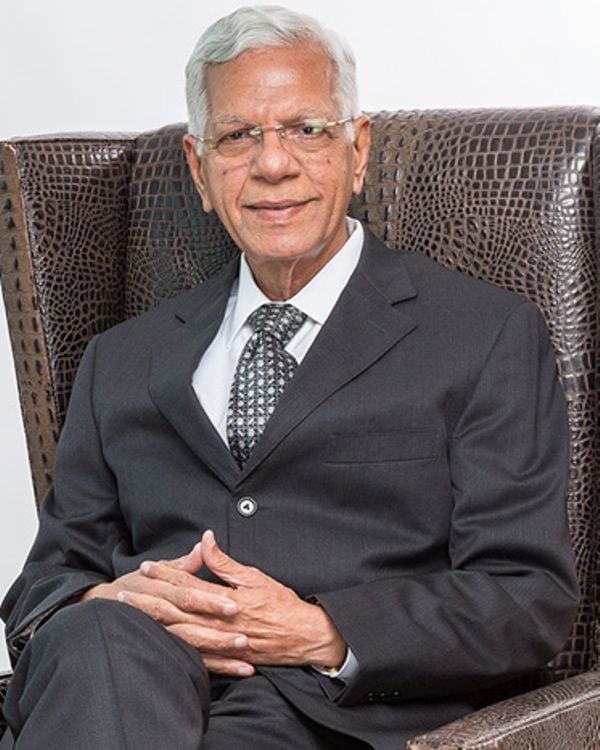 Celebrities
Chandru Raheja
Veteran Indian businessman Chandru Raheja is the chairman of K. Raheja Corporation and a noted real-estate and retail leader.
Updated 2026-10-23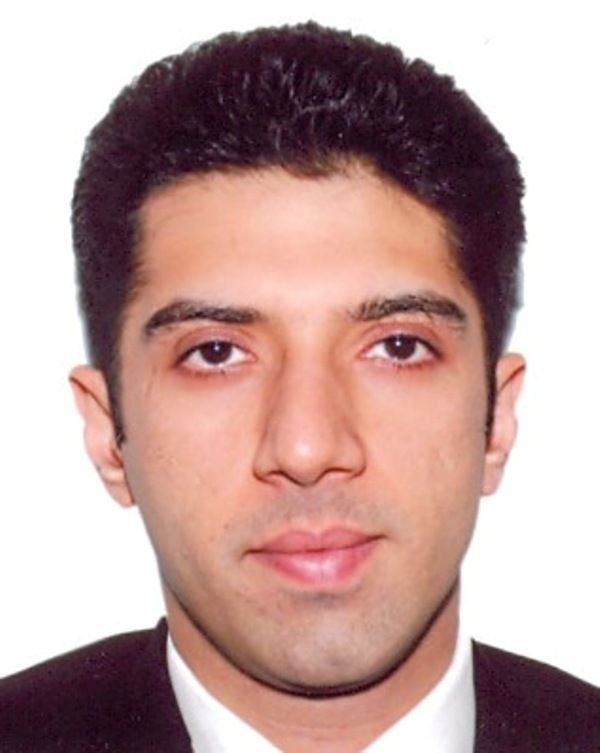 Celebrities
Neel Raheja
Neel Chandru Raheja was born on 27 June 1974 in Mumbai, Maharashtra. Raised in a family with deep roots in Indian real estate, he is the son of Chandru Raheja and Jyoti C. Raheja and a grandson of Lachmandas Raheja, the founder of the K. Raheja Group.
Updated 2026-10-04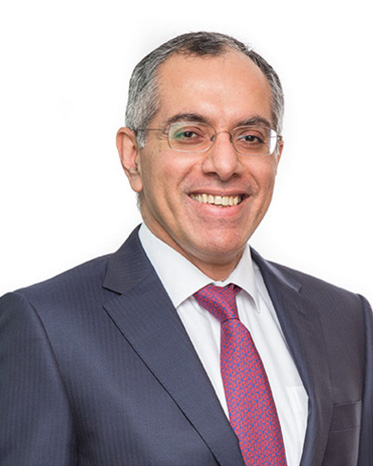 Celebrities
Ravi Raheja
Business leader Ravi Chandru Raheja is Group President at K. Raheja Corporation with a background in commerce and an MBA from London Business School.
Updated 2026-10-23 Celebrities
1eye43
Indian rapper 1eye43, born Vivek in Chandigarh, rose from hardship to build a following with viral 2024 tracks.
Updated 2026-10-23