
 Featured Biography
Image source: StarsUnfolded
Quick Info
Date of birth4 October 1884
Age56 Years (at time of death)
BirthplaceBasti Agona, North-Western Provinces, British India
ProfessionWriter, Essayist, Scholar, Historian, Novelist, Critic
NationalityIndian
Marital statusMarried
SpouseSavitri Devi
FamilyTwo sons (Keshav Chandra, Gokul Chandra); three daughters (Vidhya, Durgavati, Kamla); great-granddaughter Dr Mukta; great-grandson Dr Manjit Chaturvedi
Ramchandra Shukla Biography
Ramchandra Shukla was born on 4 October 1884 in Basti Agona in the North-Western Provinces of British India. His father, Chandrabali Shukla, worked as a revenue inspector (Kanoongo), and his mother was Vibhasee Devi.
Early life and backgroundRamchandra Shukla was born on 4 October 1884 in Basti Agona in the North-Western Provinces of British India. His father, Chandrabali Shukla, worked as a revenue inspector (Kanoongo), and his mother was Vibhasee Devi. The family moved to Mirzapur district when his father received a posting there. Shukla received early instruction at home in Hindi, English and Urdu from qualified teachers, and later attended Mission School in Mirzapur for his high school education. His mother died in 1893, and despite interruptions to formal schooling he passed the middle examination in 1898 and completed entrance-level studies toward Fine Arts.
Shukla displayed an early appetite for literature and philosophy. Influenced by contemporary currents and personalities such as Swami Vivekananda, he translated and wrote in his teens, producing a Hindi translation of The Essays on Imagination before finishing his school exams and publishing an English essay at 17 titled "What Has India to do."
Career
Ramchandra Shukla’s career combined scholarship, teaching and creative writing. He began publishing essays and literary pieces in regional newspapers and journals, including contributions to Saraswati magazine, while working as a teacher at the Mission School in Mirzapur. In 1908 he was invited by the Kashi Nagari Pracharini Sabha to edit a multi-volume Hindi dictionary, Hindi Sabda-sagar, a project that required gathering words and usages from everyday language in Kashi.
In 1919 Pandit Madan Mohan Malviya appointed Shukla as Professor of Hindi at Banaras Hindu University without an interview, and he later became head of the Hindi department after the death of Babu Shyam Sunder Das. His tenure at BHU included work on curriculum and study materials that raised the institutional profile of Hindi during a period when the language had limited academic standing in Indian universities.
Shukla is best known for developing a systematic, historically grounded approach to the study of Hindi literature. His major work, Hindi Sahitya Ka Itihaas (published 1928/1929 in various references), traces the origins and evolution of Hindi poetry and prose from early centuries through medieval and modern periods. In this history he examined influences from Buddhist and Nath traditions and discussed the contributions of poets such as Amir Khusro, Kabirdas, Ravidas and Tulsidas, and later the realist modernists including Nirala and Premchand. His method treated literary works as products of their socio-economic and political contexts, marking a shift toward a more scientific literary historiography in Hindi.
Beyond criticism and history, Shukla wrote poetry, fiction and translations. His poetry collection Madhushrota evokes landscapes and childhood memory. In 1930 he produced a long Hindi story, Gyarah Varsh Ka Samay, intended to encourage original fiction. He also translated Edwin Arnold’s The Light of Asia into a Brij Bhasha Buddha Charit and rendered Ernst Haeckel’s The Riddles of the Universe as Vishwa Prapanch, adding his own introductory reflections that compared European scientific thought with Indian philosophical traditions.
Shukla’s other notable critical writings include essays collected as Chintamani, which discusses themes such as anger and hatred and contains influential pieces like "Kavita Kya Hai." Editions and revisions of Chintamani were later edited and expanded by scholars including Namwar Singh and Kusum Chaturvedi. Under Kusum Chaturvedi’s editorship, works connected to his legacy and criticism—such as Nirala Aur Nazrul Ka Rashtriya Chintan, Nirvachit Prabandh Sankalan and Sadi Ke Ant Mein Hindi—have been published by Acharya Shukla Sansthan.
Public profile
Shukla was respected as a modernizer of Hindi language and literary study who insisted that literature should serve Lokmangal—the welfare of ordinary people—and reflect social realities rather than courtly tastes. His academic and editorial work helped establish Hindi as a subject of serious scholarship and teaching, particularly through his leadership at Banaras Hindu University and his role in the Hindi Sabda-sagar dictionary project.
He married Savitri Devi and the couple had five children: two sons, Keshav Chandra and Gokul Chandra, and three daughters, Vidhya, Durgavati and Kamla. Later generations of his family include writers and scholars such as his great-granddaughter Dr Mukta and great-grandson Dr Manjit Chaturvedi.
Late life and legacy
Ramchandra Shukla died in Benares on 2 February 1941 at the age of 56 from a heart attack. Posthumously his influence continued to grow: a research institute named Acharya Ram Chandra Shukla Sahitya Shodh Sansthan was established in 1972 through the efforts of his son and local authorities, and his life and work have been the subject of biographies and a 2018 documentary by Kusum Chaturvedi and Mukta for Doordarshan. Critics and later scholars have emphasized his opposition to feudal and courtly literature and his commitment to aligning literary study with social realities.
Latest updates
Collections, edited volumes and critical studies of his work have been published and reissued by scholars and institutions associated with his legacy. His Hindi Sahitya Ka Itihaas remains widely regarded as a foundational, methodical account of Hindi literary history and continues to be studied and reprinted in modern editions.
Editorial Review and Sources
This F4U profile is prepared from the public references listed below and reviewed for clarity. If you spot an outdated detail about Ramchandra Shukla, send the page URL and a reliable correction source to f4udotin@gmail.com.
Accuracy
Request a Correction
Tell us what needs to be updated and share a reliable source so the editorial team can review it.
Ownership
Claim This Profile
If this profile is about you or your client, send your contact details and verification context.
Recent Work
A systematic history of Hindi literature tracing its origins and development across periods.
1928/1929A multi-volume collection of literary criticism and essays including the influential essay "Kavita Kya Hai."
A collection of original poems reflecting landscape and childhood memories.
Career Highlights
- Editor of the Hindi Sabda-sagar multi-volume dictionary project
- Professor and later head of the Hindi department at Banaras Hindu University
- Author of the landmark Hindi Sahitya Ka Itihaas, which applied a scientific method to literary history
- Translator of works such as Buddha Charit (from The Light of Asia) and Vishwa Prapanch (from Ernst Haeckel)
People Also Search For
Frequently Asked Questions
When was Ramchandra Shukla born?
Ramchandra Shukla was born on 4 October 1884.
What is Ramchandra Shukla known for?
Ramchandra Shukla is known for writer, Essayist, Scholar, Historian, Novelist, Critic.
What is Ramchandra Shukla’s marital status?
Ramchandra Shukla's marital status is listed as Married.
Who is Ramchandra Shukla married to?
Ramchandra Shukla is publicly listed as married to Savitri Devi.
Related Biographies
View all →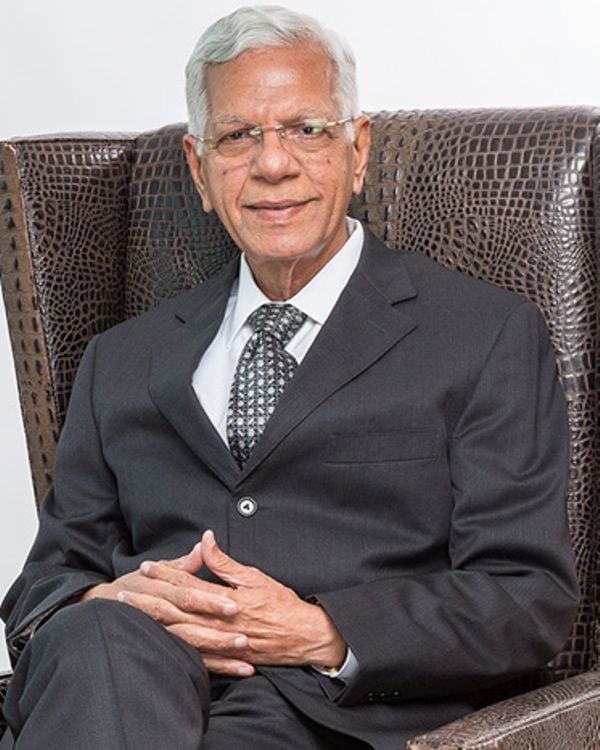 Celebrities
Chandru Raheja
Veteran Indian businessman Chandru Raheja is the chairman of K. Raheja Corporation and a noted real-estate and retail leader.
Updated 2026-10-23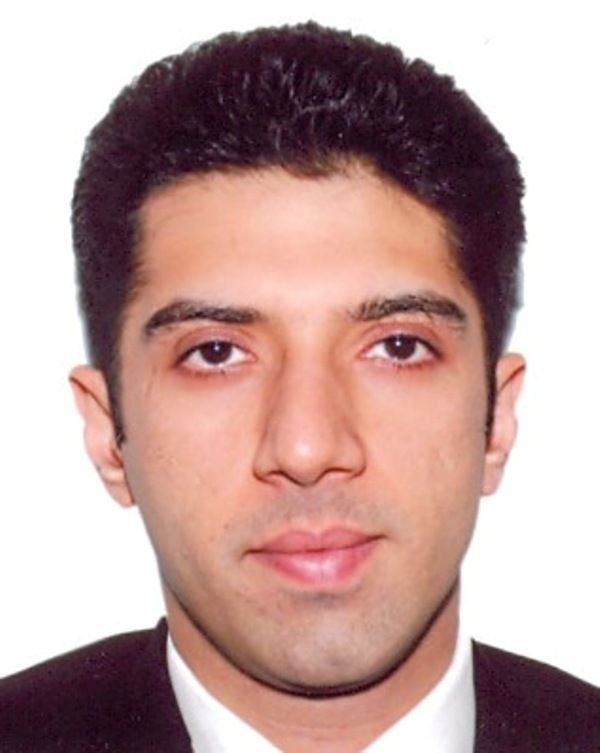 Celebrities
Neel Raheja
Neel Chandru Raheja was born on 27 June 1974 in Mumbai, Maharashtra. Raised in a family with deep roots in Indian real estate, he is the son of Chandru Raheja and Jyoti C. Raheja and a grandson of Lachmandas Raheja, the founder of the K. Raheja Group.
Updated 2026-10-04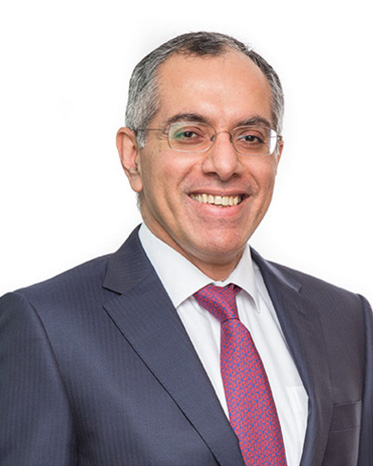 Celebrities
Ravi Raheja
Business leader Ravi Chandru Raheja is Group President at K. Raheja Corporation with a background in commerce and an MBA from London Business School.
Updated 2026-10-23 Celebrities
1eye43
Indian rapper 1eye43, born Vivek in Chandigarh, rose from hardship to build a following with viral 2024 tracks.
Updated 2026-10-23