
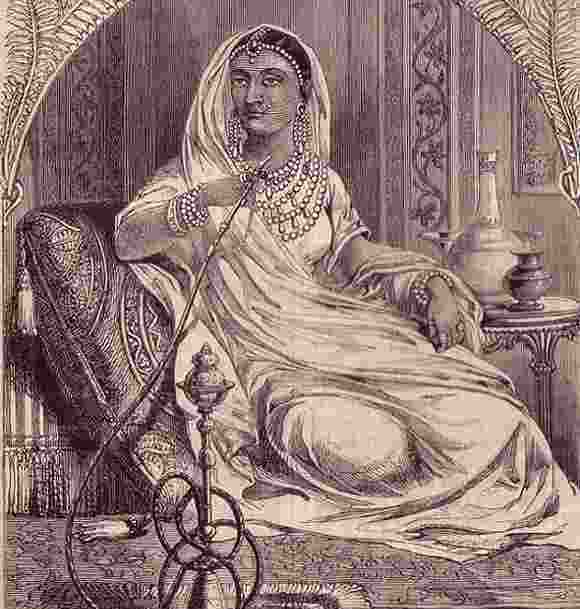
 Featured Biography
Image source: StarsUnfolded
Quick Info
Date of birth19 November 1828
Age29 (at time of death)
BirthplaceVaranasi, Uttar Pradesh, India
ProfessionQueen
NationalityIndian
Marital statusWidowed (at the time of death)
SpouseGangadhar Rao
FamilySon (adopted) - Damodar Rao
Rani Lakshmibai Biography
Rani Lakshmibai, born Manikarnika Tambe in 1828, became the Rani of Jhansi and is remembered for leading resistance against the British during the 1857 Re‑
Early life and backgroundManikarnika Tambe was born on 19 November 1828 in Kashi (now Varanasi), into a Marathi Brahmin family. Her father, Moropant Tambe, served as an adviser in the Peshwa court at Bithoor; her mother, Bhagirathi Sapre, is described as a religious woman who died when Manikarnika was very young. After her mother’s death, her father raised her in Bithoor and encouraged pursuits that were unconventional for many girls of the period, including horse riding, fencing and shooting.
She acquired a reputation for horsemanship and kept two mares, Sarangi and Pavan, and a horse called Badal. As a child she grew up among figures who would later figure in the 1857 uprising, including Nana Sahib and Tantia Tope.
Career
At about fourteen years old, in May 1842, Manikarnika married Maharaja Gangadhar Rao Newalkar of Jhansi. After marriage she became known as Lakshmibai — a name combining the goddess Lakshmi with the honorific Bai used for a queen. The couple had a son, Damodar Rao, born in 1851; he died in infancy. Gangadhar Rao then adopted a relative’s child, Anand Rao. Gangadhar Rao himself died in 1853, leaving Lakshmibai as the widow and de facto ruler of Jhansi.
Following her husband’s death, the British applied the Doctrine of Lapse and moved to annex Jhansi. In March 1854 the British ordered her to leave the fort and granted a pension. Lord Dalhousie, the Governor‑General at the time, maintained that the adopted son had no right to succeed to the throne under the doctrine.
When rebellion spread across northern India in 1857, Lakshmibai emerged as one of its leading figures. She raised and led forces that included many prominent commanders and local leaders. Accounts associate with her a force of thousands and name several warriors who fought alongside her, as well as women fighters such as Jhalkari Bai and the pair Sundar and Mundar. During the siege of Jhansi, she resisted British attempts to take the city and famously declared she would not surrender Jhansi.
After Jhansi came under attack by British forces, Lakshmibai escaped from the fort with the assistance of Jhalkari Bai, who is said to have helped by impersonating the Rani to provide cover for her departure. She continued fighting in subsequent engagements and commanded troops in the field.
Death and legacy
On 18 June 1858, in a clash near Kotah Ki Serai close to Gwalior, Lakshmibai was mortally wounded. Reports indicate she succumbed to her injuries the same day; her followers are said to have carried her body to a nearby mutt where she was cremated. She was 29 years old at the time of her death.
British accounts of the period acknowledged her courage and described her as a formidable leader. Her memorial, known as the Samadhi Sthal of Rani Lakshmibai, stands in Gwalior.
Public profile
Over the years Lakshmibai’s image has become emblematic of resistance against colonial rule. Ballads and poems have celebrated her deeds, most notably the patriotic verse that praises her fighting spirit. Her life has been represented in Indian cinema and literature; films titled Jhansi Ki Rani and others have depicted aspects of her story. In 2018 a mainstream film titled Manikarnika presented a dramatized account of her life.
Historical documents connected to her life have surfaced occasionally; for example, a previously unknown letter she wrote to Lord Dalhousie was reported as discovered in 2009. Posthumous commemorations have sometimes introduced confusion about her likeness: a 2010 postcard meant to honor her featured the portrait of another queen, which subsequently circulated as an image of Lakshmibai.
Latest updates
Her samadhi in Gwalior remains a site of remembrance. Cultural works, memorials and periodic discoveries of historical material continue to renew public interest in her life and role in the events of 1857.
Editorial Review and Sources
This F4U profile is written from publicly available career and profile information, then reviewed for clarity before publication. If you spot an outdated detail about Rani Lakshmibai, send the page URL and a reliable correction source to f4udotin@gmail.com.
Reference context: StarsUnfoldedAccuracy
Request a Correction
Tell us what needs to be updated and share a reliable source so the editorial team can review it.
Ownership
Claim This Profile
If this profile is about you or your client, send your contact details and verification context.
Recent Work
2018 Bollywood film inspired by her life in which the central character was portrayed by an actor.
2018Film adaptations that dramatize episodes from her life; titles exist from earlier decades and more recent productions.
1953Career Highlights
- Became Rani of Jhansi after the death of her husband, Maharaja Gangadhar Rao
- Led resistance against British annexation during the Rebellion of 1857
- Recognized for horsemanship, weapon training and battlefield leadership
- Remembered in patriotic poetry, films and a memorial samadhi in Gwalior
Frequently Asked Questions
When was Rani Lakshmibai born?
Rani Lakshmibai was born on 19 November 1828.
What is Rani Lakshmibai known for?
Rani Lakshmibai is known for queen.
What is Rani Lakshmibai’s marital status?
Rani Lakshmibai's marital status is listed as Widowed (at the time of death).
Who is Rani Lakshmibai married to?
Rani Lakshmibai is publicly listed as married to Gangadhar Rao.
Related Biographies
View all →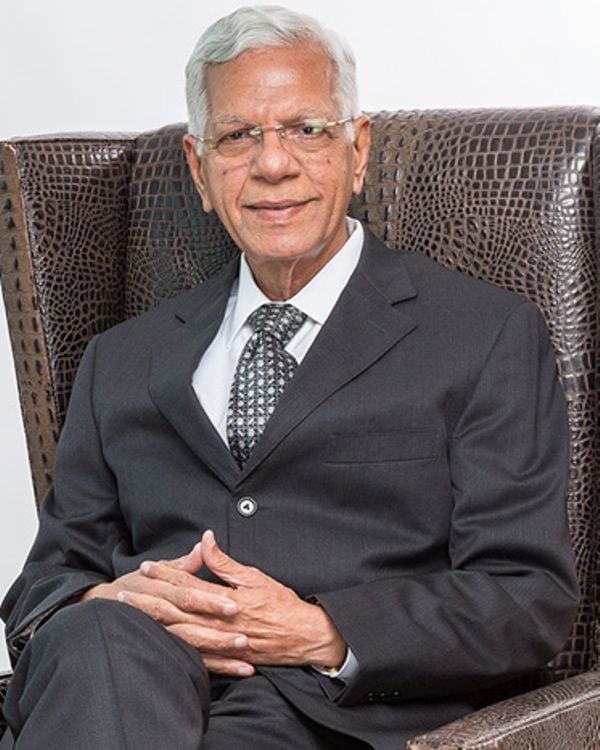 Celebrities
☑️Chandru Raheja
Chandru Lachmandas Raheja is an Indian businessman known for leading K. Raheja Corporation and for his long career in real estate, retail and hospitality.ト
Updated 2026-10-04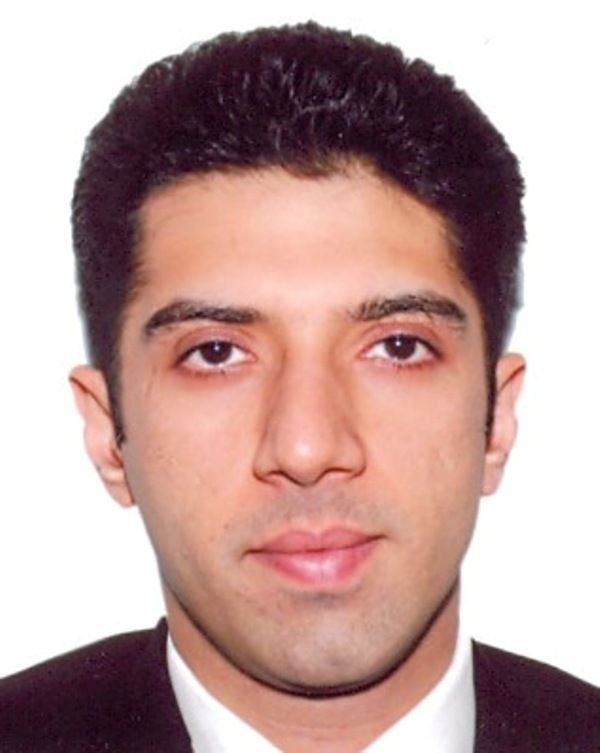 Celebrities
✅Neel Raheja
Neel Chandru Raheja is an Indian businessman who serves as Group President of K Raheja Corp. Born in Mumbai in 1974, he has guided the family's expansion—b
Updated 2026-10-04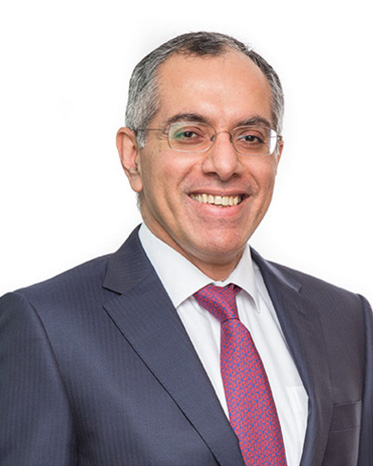 Celebrities
✅Ravi Raheja
Ravi Chandru Raheja is an Indian businessman known for his leadership role at K. Raheja Corporation. Born and raised in Mumbai, he holds degrees from the H
Updated 2026-10-04 Celebrities
6 Girlfriends Of Salman Khan
A look at six women who have been linked to Bollywood star Salman Khan over the years, from early romances to high-profile relationships that captured wide
Updated 2026-10-04