
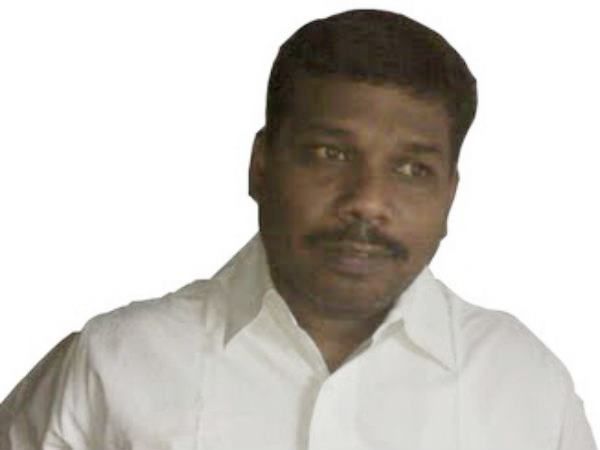
 Featured Biography
Image source: StarsUnfolded
Quick Info
Date of birth1980
Age50 (as in 2020)
BirthplaceKokuvil, Jaffna, Sri Lanka
NationalitySri Lankan
Marital statusMarried
SpouseR. Prema
FamilySon - Thamilko; Father - Balasundaram; Sister - Premlatha; Mother - name not known
Robert Payas Biography
Robert Payas is a Sri Lankan national who was convicted for his involvement in the conspiracy surrounding the assassination of former Indian Prime Minister
Early life and backgroundRobert Payas was born in Kokuvil, Jaffna, Sri Lanka, in 1980. He grew up in that hometown and is identified as Sri Lankan by nationality. His father is named Balasundaram; his mother’s name is not recorded in the available material. He has a sister named Premlatha.
Payas’s early life was shaped by the violence and upheaval of the Sri Lankan Civil War. He has said that he began supporting the Liberation Tigers of Tamil Eelam (LTTE) in 1985, initially in conflicts against the Sri Lankan Army and later in opposition to the Indian Peace Keeping Force. He also reported a personal loss prior to leaving Sri Lanka: the death of a two-month-old son during actions involving the IPKF.
Migration to India and family
In September 1990, at about 20 years old, Payas crossed into India with family members, including his wife, his sister, and his brother-in-law Jayakumar and Jayakumar’s wife Shanthi. The group registered as refugees in Rameswaram and later moved out of refugee camps into rented accommodation in Madras (now Chennai). While in India, Payas’s wife gave birth to a son, Thamilko, on 6 February 1991 at a hospital in Chetpet, Madras.
Career (activities leading to arrest)
According to accounts given during his trial, Payas was sent by the LTTE to India to assist with arranging housing and logistics in Madras for LTTE operatives. He helped secure two residences in the Porur and Kodungaiyur areas that were used at times by people later identified as co-conspirators. He said the LTTE members living near him regularly gathered at one of these accommodations.
Payas asserted that while he knew LTTE members around him had come to India to carry out a violent operation, he was not informed about the specific plan to assassinate former Prime Minister Rajiv Gandhi. On 21 May 1991, when the assassination occurred, Payas learned of the bombing the following day. He was arrested by a Special Investigation Team from his residence on 10 May 1991 in connection with the assassination.
Trial, conviction and imprisonment
The case against Payas was initially pursued under the Terrorist and Disruptive Activities (Prevention) Act and involved a lengthy judicial process. During the proceedings he made several statements about his past involvement with the LTTE and the context of the conflict that had affected civilians in Sri Lanka.
After more than four years of trial, a designated TADA court in Chennai handed down death sentences to all twenty-six accused on 28 January 1998. Human rights organizations raised objections to aspects of the trial process, and the verdicts were challenged in India’s Supreme Court. On 11 May 1999, the Supreme Court commuted Payas’s death sentence to life imprisonment. The court ultimately converted the death penalty for most of the accused into sentences of life imprisonment.
Legal developments and parole
In 2014, the Tamil Nadu government under Jayalalithaa announced a move to free the seven convicts serving life sentences in the Rajiv Gandhi assassination case; that decision was legally challenged by the central government. In 2016, the Supreme Court ruled that the state government did not have the authority to release convicts sentenced under central law.
After nearly three decades in custody, Payas wrote to the Chief Minister of Tamil Nadu in which he expressed despair about prospects for release. In November 2019 the Madras High Court granted him 30 days of parole so he could attend his son’s wedding; this was his first time leaving prison on parole after approximately 28 years behind bars.
Public profile
Payas is publicly known principally for his association with the group of seven convicts who received life sentences in connection with the assassination of Rajiv Gandhi. Media coverage and court records have focused on his migration to India, his work arranging accommodation used by LTTE operatives, his admissions about long-standing support for the LTTE, and the long judicial process that followed the assassination.
Latest updates
As of the most recent material in the available record, Payas had been granted a 30-day parole in November 2019 to participate in family events. He remained a subject of legal and public discussion in India due to the high-profile nature of the case and the ongoing legal and political debate surrounding the convicts’ sentences and potential release.
Editorial Review and Sources
This F4U profile is written from publicly available career and profile information, then reviewed for clarity before publication. If you spot an outdated detail about Robert Payas, send the page URL and a reliable correction source to f4udotin@gmail.com.
Reference context: StarsUnfoldedAccuracy
Request a Correction
Tell us what needs to be updated and share a reliable source so the editorial team can review it.
Ownership
Claim This Profile
If this profile is about you or your client, send your contact details and verification context.
Career Highlights
- One of seven convicts serving life sentences in connection with the assassination of former Indian Prime Minister Rajiv Gandhi
- Migrated from Sri Lanka to India in 1990 and registered as a refugee in Rameswaram
- Arranged accommodation in Madras used by LTTE operatives
- Sentence commuted from death to life imprisonment by the Supreme Court in 1999
- Granted 30 days parole by the Madras High Court in November 2019
People Also Search For
Frequently Asked Questions
When was Robert Payas born?
Robert Payas was born on 1980.
What is Robert Payas’s marital status?
Robert Payas's marital status is listed as Married.
Who is Robert Payas married to?
Robert Payas is publicly listed as married to R. Prema.
Related Biographies
View all →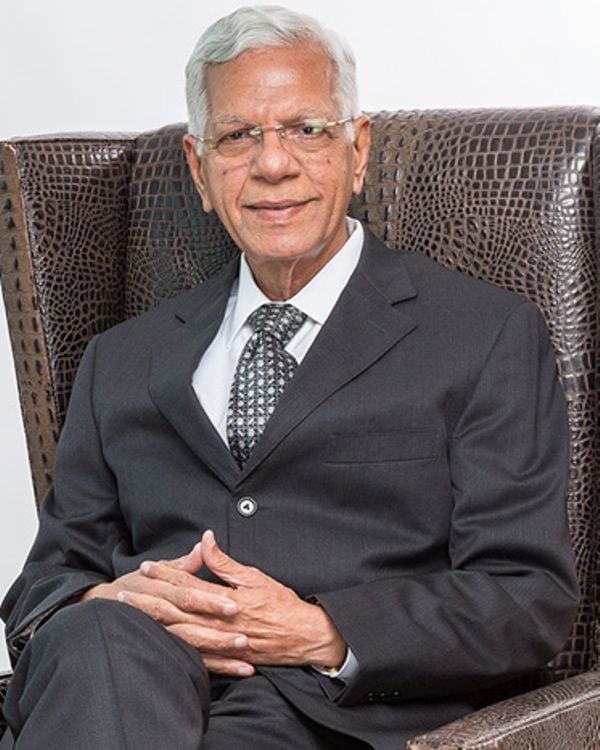 Celebrities
☑️Chandru Raheja
Chandru Lachmandas Raheja is an Indian businessman known for leading K. Raheja Corporation and for his long career in real estate, retail and hospitality.ト
Updated 2026-10-04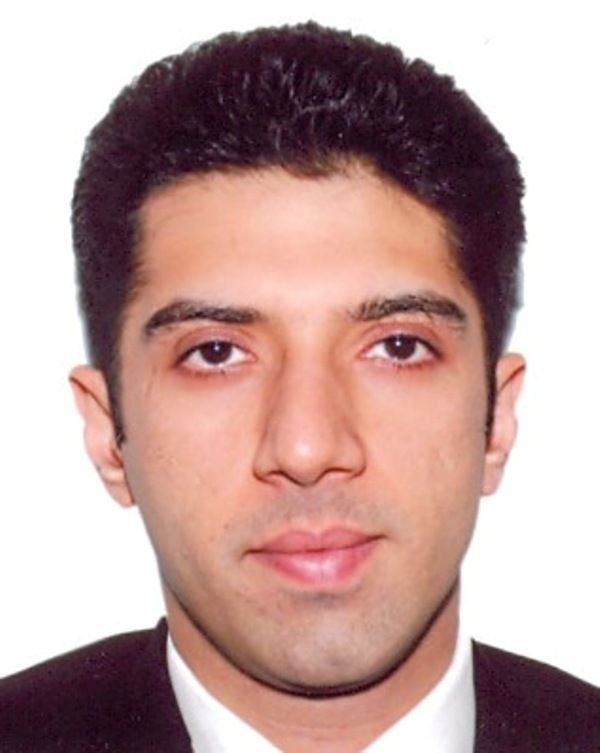 Celebrities
✅Neel Raheja
Neel Chandru Raheja is an Indian businessman who serves as Group President of K Raheja Corp. Born in Mumbai in 1974, he has guided the family's expansion—b
Updated 2026-10-04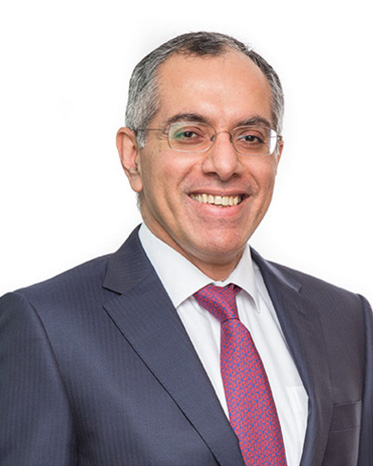 Celebrities
✅Ravi Raheja
Ravi Chandru Raheja is an Indian businessman known for his leadership role at K. Raheja Corporation. Born and raised in Mumbai, he holds degrees from the H
Updated 2026-10-04 Celebrities
6 Girlfriends Of Salman Khan
A look at six women who have been linked to Bollywood star Salman Khan over the years, from early romances to high-profile relationships that captured wide
Updated 2026-10-04