
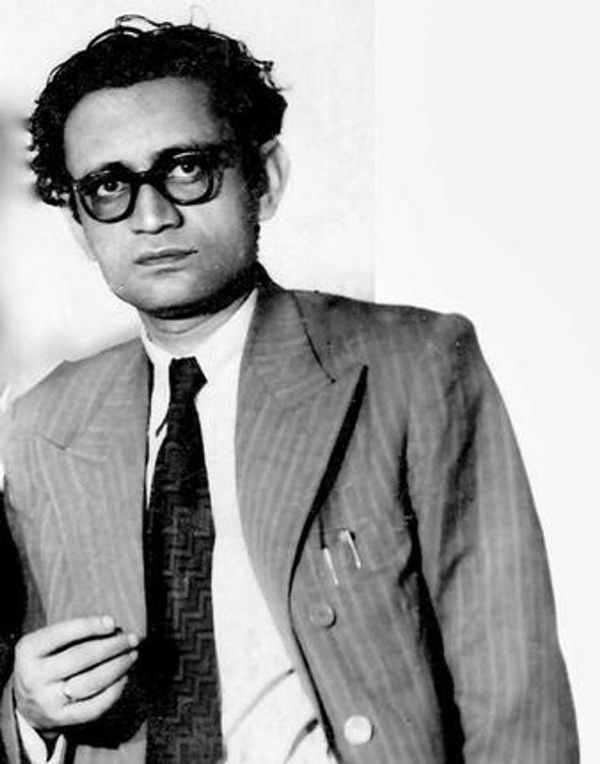
 Featured Biography
Image source: StarsUnfolded
Celebrities
Saadat Hasan Manto Biography: Age, Career, Family and More
Quick Info
Date of birth11 May 1912
AgeDied at 42
BirthplacePaproudi village, Samrala, Ludhiana, Punjab, British India
ProfessionWriter, Playwright and Author
NationalityIndian (before 1947) and Pakistani (after 1947)
Marital statusMarried
SpouseSafia Deen (Safia Manto)
FamilyFather: Ghulam Hasan Manto; Mother: Sardar Begum; Children: Arif (son, died in infancy), Nighat Manto, Nuzhat Manto, Nusrat Manto
Saadat Hasan Manto Biography
Saadat Hasan Manto (11 May 1912 – 18 January 1955) was a prominent Urdu writer, playwright and short-story author known for his unflinching portrayals of社会
Early life and backgroundSaadat Hasan Manto was born on 11 May 1912 in Paproudi village, Samrala near Ludhiana in the Punjab region of then British India. He came from a middle-class Muslim family; his father, Ghulam Hasan Manto, served as a local court judge and his mother was Sardar Begum. Ethnically Kashmiri, Manto grew up in a largely Sikh environment in Ludhiana.
Manto attended Aligarh Muslim University, where he completed postgraduate studies. During his time at Aligarh he became involved with the Indian Progressive Writers' Association and began writing stories that reflected the influence of Western literature. In his early twenties he translated works from French, Russian and English into Urdu, and his first published story was an Urdu rendering of a Victor Hugo piece.
Career
Manto developed a reputation for economical, direct storytelling and for tackling subjects that focused on society's margins. He often preferred to complete a story in a single sitting. His work included short stories, translations, essays and radio drama.
In 1933 Manto encountered the scholar Abdul Bari Alig in Amritsar, who encouraged him to read French and Russian authors. That exposure shaped Manto’s command of the short story form. One of his early original pieces, written while at Aligarh, appeared in the university magazine in 1935.
By the early 1940s Manto was working for the Urdu Service of All India Radio. He published collections of radio plays during this period, including several titled Aao, Manto Ke Drame, Janaze and Teen Moti Auraten. He also wrote short-story collections such as Dhuan and Manto Ke Afsane.
Manto also worked in the Bombay film industry as a screenwriter. After leaving All India Radio in 1942 following disagreements with a director, he returned to Bombay and contributed to screenplays for films including Shikari, Aatth Din, Mirza Ghalib and Chal Chal Re Naujawan.
Partition and life in Lahore
Although opposed to the idea of partition, Manto relocated to Pakistan in January 1948 after the subcontinent was divided. He settled in Lahore and joined a circle of writers and poets that included Nasir Kazmi, Faiz Ahmad Faiz, Ahmad Nadeem Qasmi and Ahmad Rahi. These figures often met at Lahore’s Pak Tea House for literary debate and political discussion.
In Lahore Manto continued to write short stories and essays. In the early 1950s he published a series of pieces titled "Letters to Uncle Sam," in which he commented on Pakistan’s place in international affairs and on concerns about cultural censorship. In one candid note he remarked on his financial insecurity despite being the author of many books.
Public profile
Manto was a controversial figure in his lifetime. His candid treatment of sex, violence and the underside of society led to multiple obscenity trials both before and after partition. He faced legal action three times in British India under the Indian Penal Code for works such as Dhuan, Bu and Kali Shalwar, and three times in Pakistan under the Pakistan Penal Code for pieces including Khol Do, Thanda Gosht and Upar Neeche Darmiyaan. He was fined in only one of those cases.
Manto’s personal life included marriage to Safia Deen in 1936. The couple had four surviving children: daughters Nighat, Nuzhat and Nusrat Manto; a son, Arif, died in infancy. Manto was known to smoke and to drink alcohol.
Final years and legacy
Alcohol dependence affected Manto’s health in his later years and contributed to his death from multiple organ failure on 18 January 1955 in Lahore at the age of 42. Six months before his death he wrote an epitaph for himself, though it was not used on his grave.
Manto’s stature has continued to grow since his death. He was commemorated on a Pakistani postage stamp on the 50th anniversary of his death in January 2005, and in 2012 the Government of Pakistan posthumously awarded him the Nishan-e-Imtiaz. His life and work have inspired stage plays and biographical films, including Pakistani and Indian cinematic portrayals titled Manto released in 2015 and 2017 respectively. On his birth centenary, stage productions revisited his life and writings from new perspectives.
Latest updates
Manto’s work and life remain subjects of public discussion and artistic interpretation. Film and theatre portrayals in recent decades have renewed interest in his stories and his role as a candid observer of social realities.
Editorial Review and Sources
This F4U profile is written from publicly available career and profile information, then reviewed for clarity before publication. If you spot an outdated detail about Saadat Hasan Manto, send the page URL and a reliable correction source to f4udotin@gmail.com.
Reference context: StarsUnfoldedAccuracy
Request a Correction
Tell us what needs to be updated and share a reliable source so the editorial team can review it.
Ownership
Claim This Profile
If this profile is about you or your client, send your contact details and verification context.
Recent Work
Biographical film directed by Sarmad Sultan Khoosat
2015Biographical film directed by Nandita Das starring Nawazuddin Siddiqui
2017Career Highlights
- Prolific Urdu short-story writer and playwright
- Worked in All India Radio Urdu Service and published multiple radio-play collections
- Screenwriter for several Bombay films including Mirza Ghalib and Chal Chal Re Naujawan
- Faced multiple obscenity trials in India and Pakistan for his writings
- Posthumously awarded Nishan-e-Imtiaz by the Government of Pakistan
People Also Search For
Frequently Asked Questions
When was Saadat Hasan Manto born?
Saadat Hasan Manto was born on 11 May 1912.
What is Saadat Hasan Manto known for?
Saadat Hasan Manto is known for writer, Playwright and Author.
What is Saadat Hasan Manto’s marital status?
Saadat Hasan Manto's marital status is listed as Married.
Who is Saadat Hasan Manto married to?
Saadat Hasan Manto is publicly listed as married to Safia Deen (Safia Manto).
Related Biographies
View all →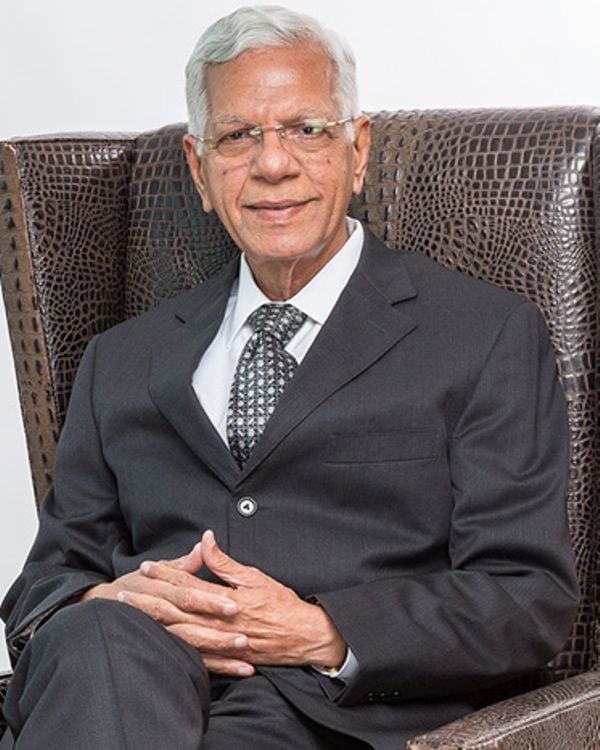 Celebrities
☑️Chandru Raheja
Chandru Lachmandas Raheja is an Indian businessman known for leading K. Raheja Corporation and for his long career in real estate, retail and hospitality.ト
Updated 2026-10-04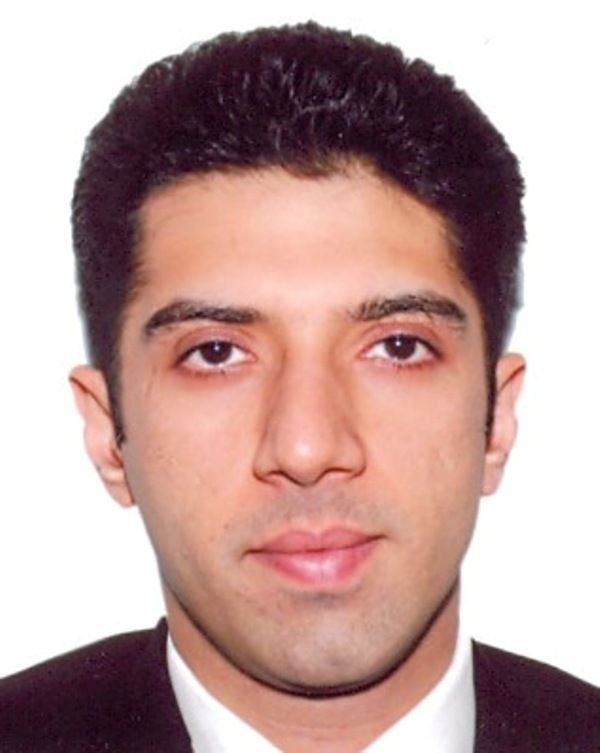 Celebrities
✅Neel Raheja
Neel Chandru Raheja is an Indian businessman who serves as Group President of K Raheja Corp. Born in Mumbai in 1974, he has guided the family's expansion—b
Updated 2026-10-04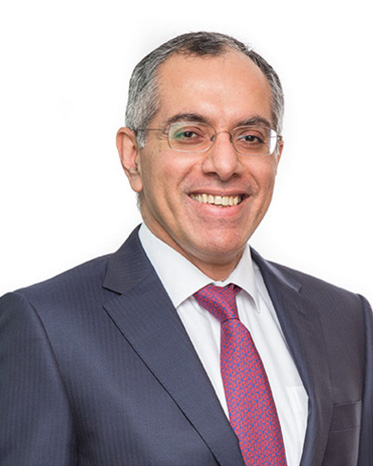 Celebrities
✅Ravi Raheja
Ravi Chandru Raheja is an Indian businessman known for his leadership role at K. Raheja Corporation. Born and raised in Mumbai, he holds degrees from the H
Updated 2026-10-04 Celebrities
6 Girlfriends Of Salman Khan
A look at six women who have been linked to Bollywood star Salman Khan over the years, from early romances to high-profile relationships that captured wide
Updated 2026-10-04