
 Featured Biography
Image source: StarsUnfolded
Celebrities
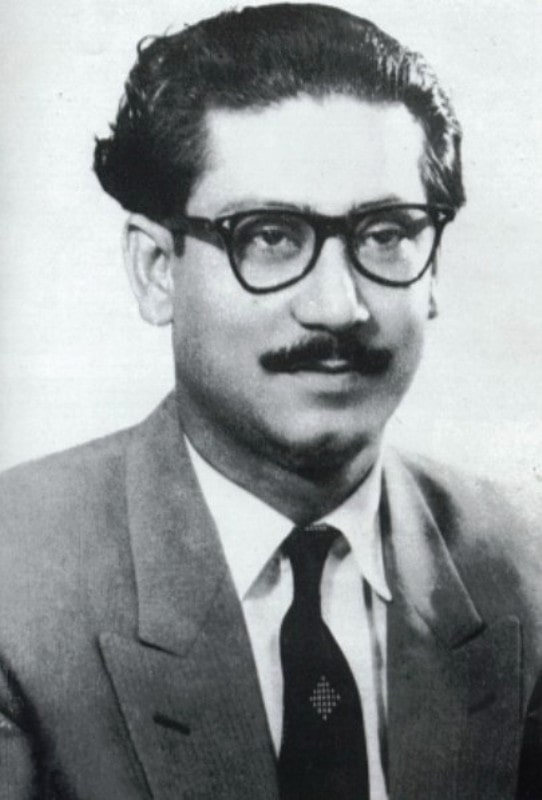
Sheikh Mujibur Rahman Biography: Age, Career, Family and More
Quick Info
Date of birth17 March 1920
Age55 Years
BirthplaceTungipara village, Gopalganj district, Province of Bengal, British India (now Bangladesh)
ProfessionPolitician
NationalityBritish Indian (1920 - 1947); Pakistani (1947 - 1971); Bangladeshi (1971 - 1975)
Marital statusMarried
SpouseSheikh Fazilatunnesa Mujib
FamilyChildren: Sheikh Hasina, Sheikh Rehana, Sheikh Kamal, Sheikh Jamal, Sheikh Russel
Sheikh Mujibur Rahman Biography
Sheikh Mujibur Rahman (1920–1975) was a Bengali political leader who became the primary architect of Bangladesh's independence and served as the nation's fi
Early life and backgroundSheikh Mujibur Rahman was born on 17 March 1920 in Tungipara village in Gopalganj district, then part of the Bengal Province of British India. He was raised in a family headed by his father Sheikh Lutfur Rahman, who worked as a court official, and his mother Sayera Khatun. Mujib grew up in the same region that later became his political base and hometown.
His early schooling included time at Gimadanga Public School and Gopalganj Public School before attending Madaripur Islamia High School. While still a youth he underwent a serious eye operation that interrupted his studies and required a period of recovery; afterward he wore glasses. Mujib later studied at Islamia College and enrolled at Dhaka University, where he completed a Bachelor of Arts and began postgraduate work in law but did not finish those studies.
Career
Mujib’s political engagement began in student organisations. In 1940 he joined the All India Muslim Student Federation and in 1943 the Bengal Muslim League. While completing his undergraduate studies he was elected general secretary of the Islamia College Students’ Union, an early sign of his prominence in campus politics.
Following the partition of British India in 1947, Mujib helped found the East Pakistan Muslim Students’ League and went on to build a longstanding political career in East Pakistan that gravitated toward a socialistic outlook in response to the economic troubles facing the region. He became active in the East Pakistan Awami Muslim League after 1949, holding party posts including joint-secretary and later general secretary.
Throughout the 1950s and 1960s Mujib was a frequent participant in provincial and national politics. He served in the political arena as an appointed member of the Second Constituent Assembly of Pakistan in 1956 and was briefly named Agriculture Minister in 1954 before the government fell. He continued organising and agitating on behalf of East Pakistani interests, and while detained he established the Free Bangla Revolutionary Council in 1961. By 1963 he had been elected president of the party and led its renaming to the Awami League.
Mujib rose to prominence with a program of demands designed to increase autonomy for East Pakistan; his Six-Point program, presented in 1966, became a defining platform of his movement. He and his followers faced repeated arrests, including detention in relation to the Agartala conspiracy case in 1968. In the 1970 national elections, the Awami League won a decisive majority in East Pakistan, but a political impasse at the national level followed.
In 1971, as tensions reached a breaking point, Mujib publicly called for the independence of what would become Bangladesh. He was arrested and sent to West Pakistan under detention during the liberation war. After independence, Mujib returned in 1972 and became the first Prime Minister of Bangladesh. In 1975 he and his supporters moved to reorganise the country’s political structure, forming Bangladesh Krishak Sramik Awami League (BaKSAL).
Public profile
Mujib is widely recognised in Bangladesh as the principal leader of the independence movement and is referred to by honorifics reflecting that role. His political life attracted both strong support and controversy. He received several recognitions in later years and posthumously, including awards and commemorations that marked the centenary of his birth. Public memorials and busts have been unveiled in various places to honour his role in Bangladesh’s founding.
Personal life
Sheikh Mujibur Rahman married Sheikh Fazilatunnesa Mujib in 1938. They had five children: three sons—Sheikh Kamal, Sheikh Jamal and Sheikh Russel—and two daughters, Sheikh Hasina and Sheikh Rehana. His elder daughter, Sheikh Hasina, later served as Prime Minister of Bangladesh. Mujib had several siblings, including a brother Sheikh Abu Naser and four sisters.
Death
Sheikh Mujibur Rahman was assassinated on 15 August 1975 at his residence in Dhaka. He was 55 years old at the time of his death. His home has since been converted into a national memorial museum.
Latest updates
Recognition of Mujib’s legacy has continued into the 21st century. The centenary of his birth in 2020 was celebrated as Mujib Year in Bangladesh and saw a variety of official tributes. In subsequent years, additional honours and institutional recognitions were established to commemorate his life and political contributions.
Editorial Review and Sources
This F4U profile is written from publicly available career and profile information, then reviewed for clarity before publication. If you spot an outdated detail about Sheikh Mujibur Rahman, send the page URL and a reliable correction source to f4udotin@gmail.com.
Reference context: StarsUnfoldedAccuracy
Request a Correction
Tell us what needs to be updated and share a reliable source so the editorial team can review it.
Ownership
Claim This Profile
If this profile is about you or your client, send your contact details and verification context.
Recent Work
Returned from detention after the 1971 liberation war and was sworn in as the country's first prime minister in 1972.
1972In 1975 he and his followers formed Bangladesh Krishak Sramik Awami League (BaKSAL) as a new political organisation.
1975Career Highlights
- Founder and long-time leader of the Awami League
- Architect of the Bangladesh independence movement and leader during the 1971 liberation struggle
- First Prime Minister of independent Bangladesh (1972)
- Presented the Six-Point program demanding greater autonomy for East Pakistan
People Also Search For
Frequently Asked Questions
When was Sheikh Mujibur Rahman born?
Sheikh Mujibur Rahman was born on 17 March 1920.
What is Sheikh Mujibur Rahman known for?
Sheikh Mujibur Rahman is known for politician.
What is Sheikh Mujibur Rahman’s marital status?
Sheikh Mujibur Rahman's marital status is listed as Married.
Who is Sheikh Mujibur Rahman married to?
Sheikh Mujibur Rahman is publicly listed as married to Sheikh Fazilatunnesa Mujib.
Related Biographies
View all →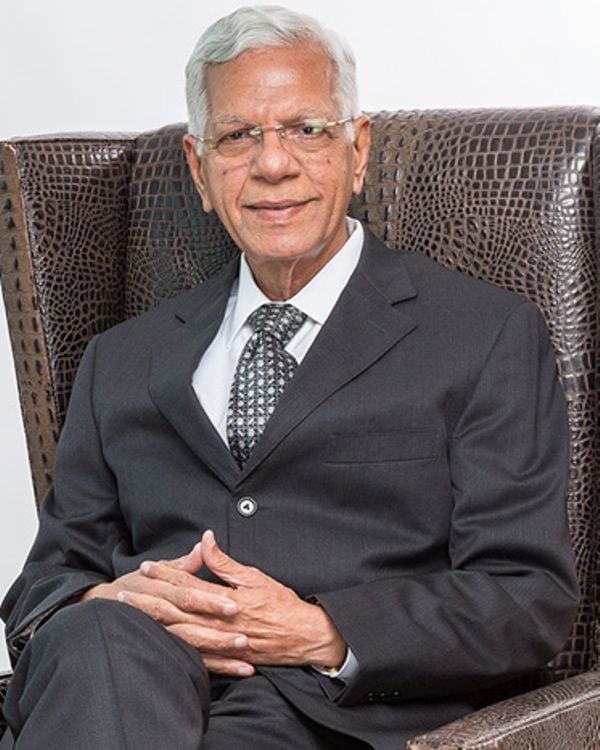 Celebrities
☑️Chandru Raheja
Chandru Lachmandas Raheja is an Indian businessman known for leading K. Raheja Corporation and for his long career in real estate, retail and hospitality.ト
Updated 2026-10-04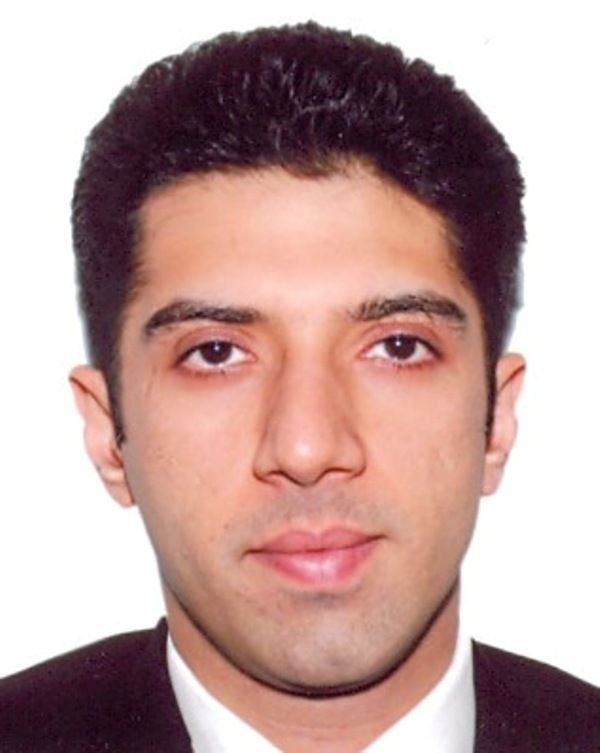 Celebrities
✅Neel Raheja
Neel Chandru Raheja is an Indian businessman who serves as Group President of K Raheja Corp. Born in Mumbai in 1974, he has guided the family's expansion—b
Updated 2026-10-04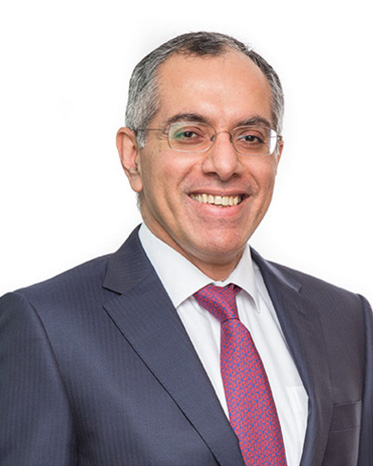 Celebrities
✅Ravi Raheja
Ravi Chandru Raheja is an Indian businessman known for his leadership role at K. Raheja Corporation. Born and raised in Mumbai, he holds degrees from the H
Updated 2026-10-04 Celebrities
6 Girlfriends Of Salman Khan
A look at six women who have been linked to Bollywood star Salman Khan over the years, from early romances to high-profile relationships that captured wide
Updated 2026-10-04