
 Featured Biography
Image source: StarsUnfolded
Quick Info
Date of birth21 September 1954
Age67 Years (at time of death)
BirthplaceTokyo, Japan
ProfessionPolitician
NationalityJapanese
Marital statusMarried (at the time of death)
SpouseAkie Matsuzaki
FamilyBorn into a politically prominent family; father Shintarō Abe, maternal grandfather Nobusuke Kishi; brothers Hironobu and Nobuo Kishi
Shinzō Abe Biography
Shinzō Abe was a Japanese politician who led the Liberal Democratic Party and served two terms as Prime Minister, becoming Japan’s longest-serving premier.
Early life and backgroundShinzō Abe was born on 21 September 1954 in Tokyo into a family with deep roots in Japanese politics. His maternal grandfather, Nobusuke Kishi, served as prime minister in the late 1950s, and his father, Shintarō Abe, held high office including the post of foreign minister. The family’s ancestral ties are associated with Nagato in Yamaguchi Prefecture.
Abe was educated in Musashino, Tokyo, attending Seikei Elementary, Junior High and Senior High schools before earning a bachelor’s degree in political science from Seikei University in 1977. He later studied public policy at the University of Southern California for several semesters. After graduating he worked for Kobe Steel beginning in April 1979, leaving the company in 1982 to pursue positions connected with public service and politics.
Career
Abe entered elected politics in 1993 when he won a seat in the House of Representatives for Yamaguchi’s first district. Over the following decade he built a high-profile parliamentary career within the Liberal Democratic Party (LDP), serving in roles such as director of the Committee on Health and Welfare and director of the party’s Social Affairs Division. Between 2000 and 2003 he was deputy chief cabinet secretary, and he later served as chief cabinet secretary in 2005–2006.
On 26 September 2006 Abe became prime minister for the first time, but he resigned the following year on 12 September 2007. He returned to lead the LDP in 2012, winning the party leadership in a September run-off and being chosen again as prime minister by Japan’s parliament on 26 December 2012. Abe went on to become the longest-serving prime minister in Japanese history, remaining in office through successive elections and a snap poll victory in October 2017.
Health issues led Abe to step down on 28 August 2020; he cited a long-standing struggle with ulcerative colitis as the reason for his resignation. During his nearly eight years in office from 2012 to 2020, Abe was a central figure in domestic and international policymaking and remained one of Japan’s most consequential postwar leaders.
Public profile
Abe’s public life attracted both domestic support and international attention. He was the first Japanese prime minister born after World War II and engaged actively on the world stage, including meetings with other world leaders. His visits and statements on wartime history drew criticism from neighbouring countries, and he publicly addressed controversies that arose during his tenure.
Abe married Akie Matsuzaki in 1987. The couple did not have children. He was known to enjoy reading and writing. His faith was identified as Shinto.
Death and legacy
On 8 July 2022, Abe was shot while delivering a campaign speech in Nara and later died at Nara Medical University Hospital. He was 67. His death prompted a national period of mourning and culminated in a state funeral on 27 September 2022, the first such ceremony for a former prime minister in 55 years.
Awards and recognition
Among honours noted during his later life, Abe received India’s Padma Vibhushan in 2021, one of that country’s highest civilian awards.
Latest updates
Abe’s resignation in August 2020 marked the end of his second, extended premiership, and his death in July 2022 closed a long public career that left a lasting impact on Japanese politics. Posthumous ceremonies and official tributes followed, reflecting his prominence in both Japan and abroad.
Editorial Review and Sources
This F4U profile is written from publicly available career and profile information, then reviewed for clarity before publication. If you spot an outdated detail about Shinzō Abe, send the page URL and a reliable correction source to f4udotin@gmail.com.
Reference context: StarsUnfoldedAccuracy
Request a Correction
Tell us what needs to be updated and share a reliable source so the editorial team can review it.
Ownership
Claim This Profile
If this profile is about you or your client, send your contact details and verification context.
Recent Work
Served as prime minister from 26 December 2012 until his resignation on 28 August 2020; led the Liberal Democratic Party and won a decisive snap election victory in October 2017.
2012–2020Career Highlights
- Elected to the House of Representatives (1993)
- Served as deputy chief cabinet secretary (2000–2003)
- First term as Prime Minister began 26 September 2006
- Returned as Prime Minister on 26 December 2012 and became Japan's longest-serving prime minister
- Resigned as Prime Minister for health reasons on 28 August 2020
People Also Search For
Frequently Asked Questions
When was Shinzō Abe born?
Shinzō Abe was born on 21 September 1954.
What is Shinzō Abe known for?
Shinzō Abe is known for politician.
What is Shinzō Abe’s marital status?
Shinzō Abe's marital status is listed as Married (at the time of death).
Who is Shinzō Abe married to?
Shinzō Abe is publicly listed as married to Akie Matsuzaki.
Related Biographies
View all →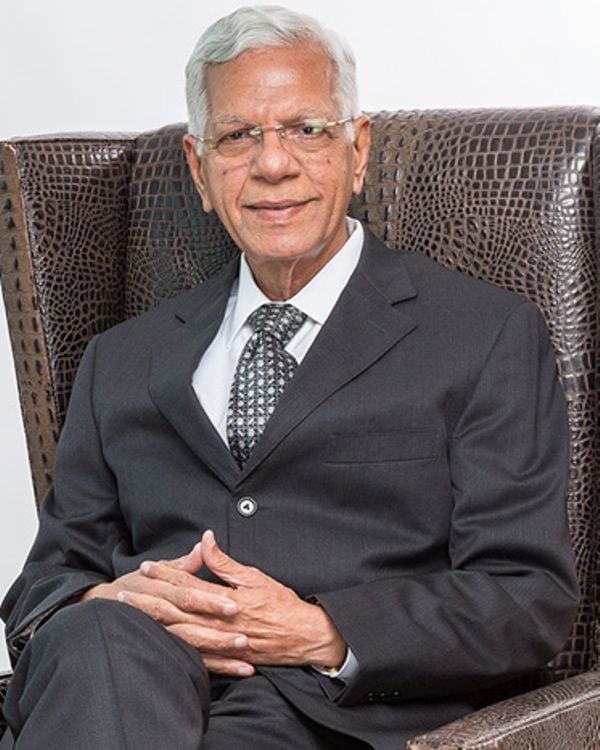 Celebrities
☑️Chandru Raheja
Chandru Lachmandas Raheja is an Indian businessman known for leading K. Raheja Corporation and for his long career in real estate, retail and hospitality.ト
Updated 2026-10-04 Celebrities
✅Neel Raheja
Neel Chandru Raheja is an Indian businessman who serves as Group President of K Raheja Corp. Born in Mumbai in 1974, he has guided the family's expansion—b
Updated 2026-10-04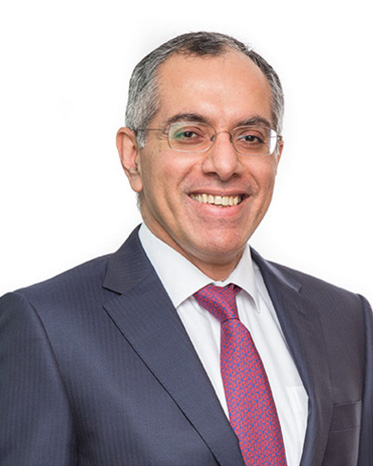 Celebrities
✅Ravi Raheja
Ravi Chandru Raheja is an Indian businessman known for his leadership role at K. Raheja Corporation. Born and raised in Mumbai, he holds degrees from the H
Updated 2026-10-04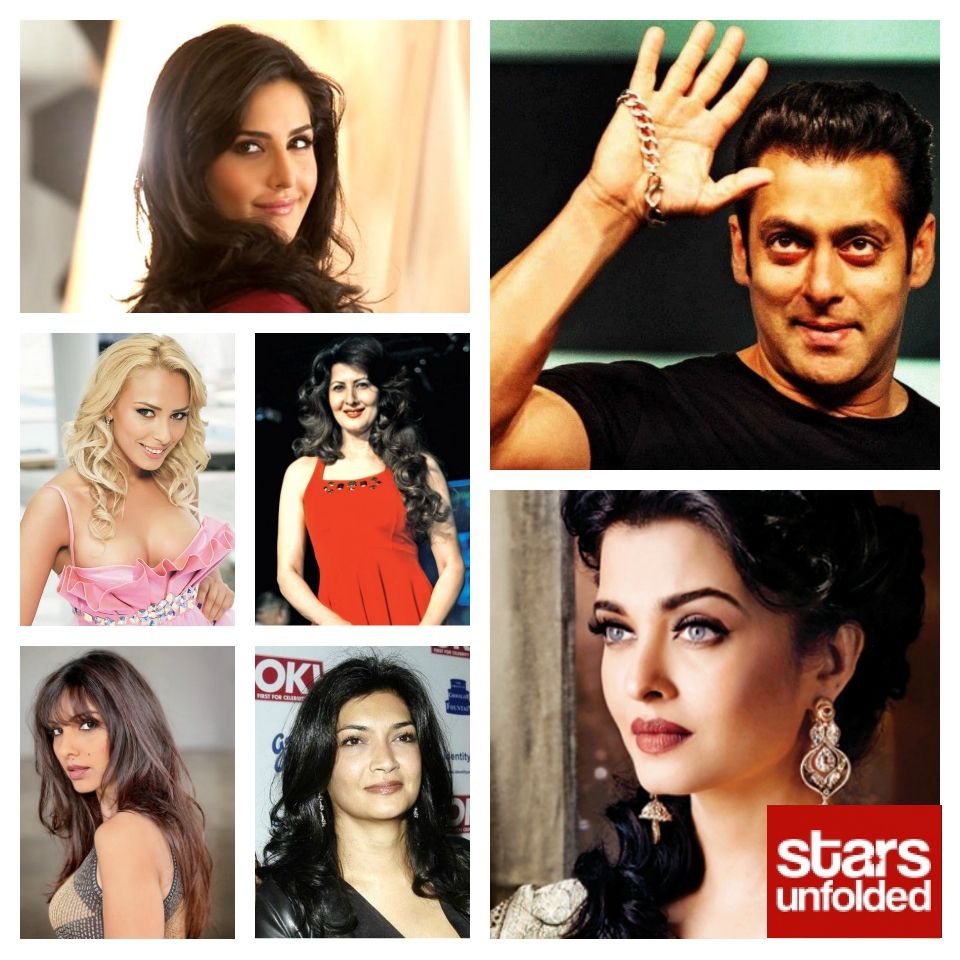 Celebrities
6 Girlfriends Of Salman Khan
A look at six women who have been linked to Bollywood star Salman Khan over the years, from early romances to high-profile relationships that captured wide
Updated 2026-10-04