
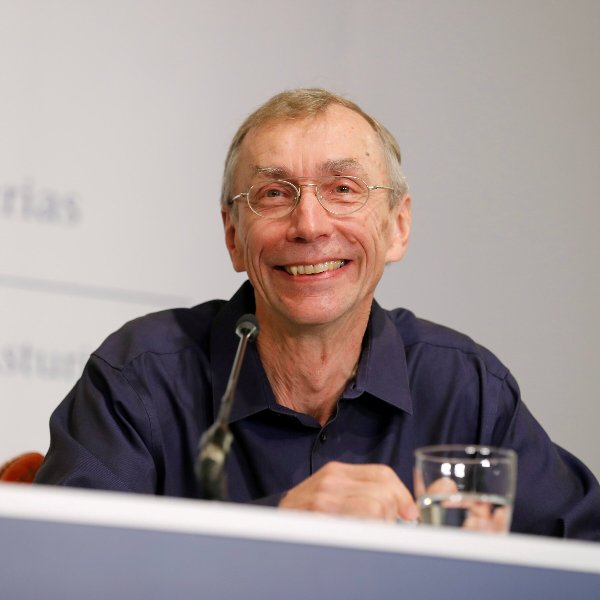
 Featured Biography
Image source: StarsUnfolded
Quick Info
Date of birth20 April 1955
Age67 Years
BirthplaceStockholm, Sweden
ProfessionGeneticist
NationalitySwedish
Marital statusMarried
SpouseLinda Vigilant
FamilySon - 1; Daughter - 1; Father - Karl Sune Detlof Bergström; Mother - Karin Pääbo
Svante Pääbo Biography
Svante Pääbo is a Swedish geneticist whose work on ancient DNA and extinct hominin genomes revolutionized our understanding of human evolution. He led the
Early life and backgroundSvante Pääbo was born on 20 April 1955 in Stockholm, Sweden. Raised in a family with strong scientific ties—his father, Karl Sune Detlof Bergström, was a biochemist and his mother, Karin Pääbo, also worked in biochemistry—Pääbo developed broad academic interests early on. He initially considered Egyptology before moving toward medicine and molecular biology. He studied at the University of Uppsala and later earned a PhD in molecular biology.
Career
Pääbo’s career has been defined by pioneering work in ancient DNA and evolutionary genetics. In the 1980s he held research and teaching positions that included time at the University of California and postdoctoral work in Switzerland and at the Imperial Cancer Research Fund in London. After completing doctoral and postdoctoral research he returned to Uppsala to teach medical genetics, and later worked at the University of Munich.
In 1997 Pääbo joined the Max Planck Institute for Evolutionary Anthropology in Germany, where he founded and directed the Department of Evolutionary Biology. Under his leadership the department developed methods to extract and sequence DNA from ancient human remains while avoiding modern contamination. His team successfully obtained DNA from Neanderthal material and went on to sequence substantial portions of the Neanderthal genome, publishing early results in the early 2000s. This work transformed what could be learned from tiny, damaged fragments of ancient DNA by using next-generation sequencing methods to isolate human sequences from microbial contamination and reconstruct genomes from short fragments.
Pääbo’s group also played a central role in the discovery and genetic analysis of Denisovans—an extinct group of hominins identified from remains found in a Siberian cave. Comparative analyses of ancient genomes led to the conclusion that Neanderthals and modern humans not only lived alongside one another but in some regions interbred, leaving traces of Neanderthal ancestry in many people outside Africa. His laboratory traced connections between ancient genomes and present-day populations, including a reported genetic link between the Denisovans and highlanders on the Tibetan Plateau.
Beyond extinct hominin genomes, Pääbo investigated genes involved in traits such as speech and language, for example studying the molecular evolution of the FOXP2 gene. His research has also explored how genetic variants inherited from Neanderthals can affect disease risk; among his published findings was an association between a Neanderthal-derived region on chromosome 3 and severe outcomes from COVID-19.
Public profile
Pääbo has been widely recognized for his contributions to genetics and human evolutionary studies. He has received numerous awards and honors over his career, including the Leibniz Prize, the Louis-Jeantet Prize for Medicine, the Gruber Genetics Prize, the Japan Prize, and many honorary doctorates from institutions such as the University of Zurich, the University of Helsinki, the Karolinska Institute, and Yale University. In 2007 he was listed among Time magazine’s 100 Most Influential People. His work earned the highest recognition in 2022 when Karolinska Institutet awarded him the Nobel Prize in Physiology or Medicine for his research on the genomes of extinct hominins and human evolution.
Pääbo has communicated his science to broader audiences as well. He delivered a TEDx talk about the human genome and published a book, Neanderthal Man: In Search of Lost Genomes, in 2014, presenting the story of sequencing ancient genomes for readers beyond the laboratory.
Personal life
Pääbo is married to American geneticist Linda Vigilant; the couple married in 2008 and have two children, a son and a daughter. He has a half-brother, Rurik Reenstierna. Pääbo has lived and worked in Germany for many years while maintaining ties to Sweden.
Latest updates
In 2020 Pääbo and collaborators reported genetic findings linking a Neanderthal-inherited genomic region on chromosome 3 to increased risk of severe COVID-19. On 3 October 2022 he was announced as a Nobel Prize laureate in Physiology or Medicine, an acknowledgement of decades of work establishing techniques to recover and interpret genomes from extinct hominins and clarifying the genetic relationships between Neanderthals, Denisovans and modern humans.
Throughout his career Pääbo has continued to expand the scope and technical reach of ancient DNA research, shaping how scientists reconstruct human evolutionary history and how genetic legacies from extinct hominins are understood today.
Editorial Review and Sources
This F4U profile is written from publicly available career and profile information, then reviewed for clarity before publication. If you spot an outdated detail about Svante Pääbo, send the page URL and a reliable correction source to f4udotin@gmail.com.
Reference context: StarsUnfoldedAccuracy
Request a Correction
Tell us what needs to be updated and share a reliable source so the editorial team can review it.
Ownership
Claim This Profile
If this profile is about you or your client, send your contact details and verification context.
Recent Work
Published research presenting a draft sequence of the Neanderthal genome and analyses of its relationship to modern humans.
2010A 2014 book for general readers recounting efforts to recover and analyze ancient hominin genomes.
2014A 2020 scientific finding linking a Neanderthal-inherited genomic region to increased risk of severe COVID-19.
2020Career Highlights
- Founded and directed the Department of Evolutionary Biology at the Max Planck Institute for Evolutionary Anthropology
- Led the extraction and sequencing of Neanderthal and Denisovan DNA
- Established methods for recovering genomes from ancient, damaged DNA using next-generation sequencing
- Authored influential research on FOXP2 and on genetic contributions of extinct hominins to modern humans
- Awarded the 2022 Nobel Prize in Physiology or Medicine
Frequently Asked Questions
When was Svante Pääbo born?
Svante Pääbo was born on 20 April 1955.
What is Svante Pääbo known for?
Svante Pääbo is known for geneticist.
What is Svante Pääbo’s marital status?
Svante Pääbo's marital status is listed as Married.
Who is Svante Pääbo married to?
Svante Pääbo is publicly listed as married to Linda Vigilant.
Related Biographies
View all →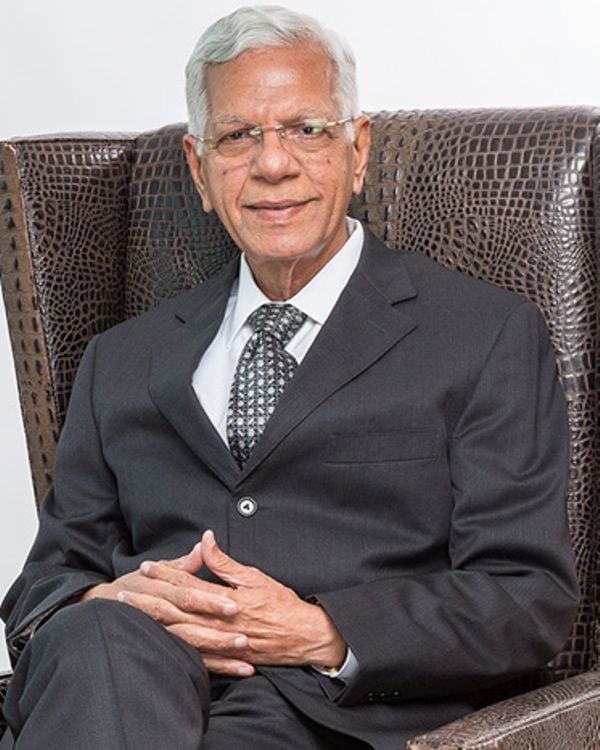 Celebrities
☑️Chandru Raheja
Chandru Lachmandas Raheja is an Indian businessman known for leading K. Raheja Corporation and for his long career in real estate, retail and hospitality.ト
Updated 2026-10-04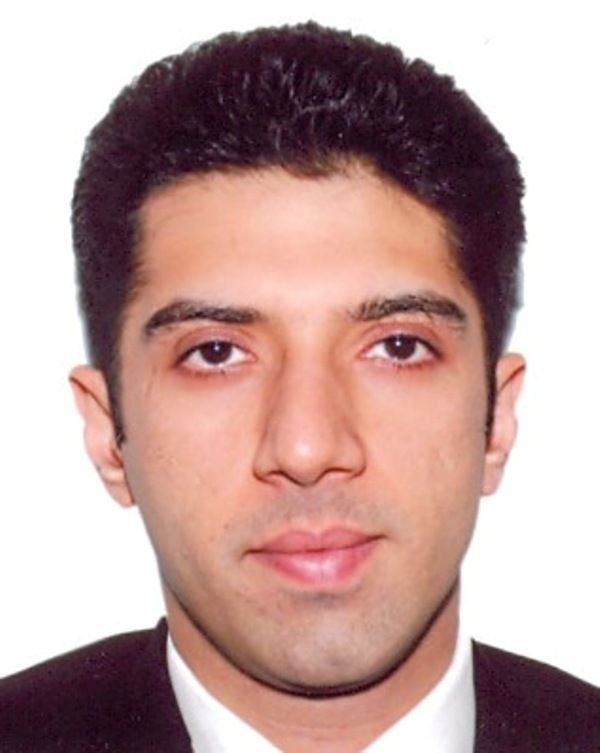 Celebrities
✅Neel Raheja
Neel Chandru Raheja is an Indian businessman who serves as Group President of K Raheja Corp. Born in Mumbai in 1974, he has guided the family's expansion—b
Updated 2026-10-04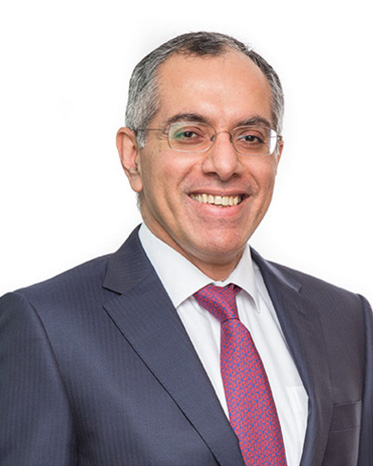 Celebrities
✅Ravi Raheja
Ravi Chandru Raheja is an Indian businessman known for his leadership role at K. Raheja Corporation. Born and raised in Mumbai, he holds degrees from the H
Updated 2026-10-04 Celebrities
6 Girlfriends Of Salman Khan
A look at six women who have been linked to Bollywood star Salman Khan over the years, from early romances to high-profile relationships that captured wide
Updated 2026-10-04