
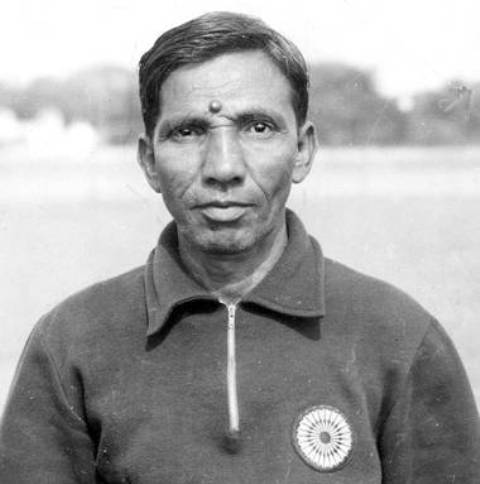
 Featured Biography
Image source: StarsUnfolded
Celebrities
Syed Abdul Rahim (Football Coach) Biography: Age, Career, Family and —
Quick Info
Date of birth17 August 1909
Age53 (at time of death)
BirthplaceHyderabad (then Hyderabad State), India
ProfessionFootball Coach; Teacher
NationalityIndian
Marital statusMarried
SpouseSaira Rahim
FamilySix children (three sons, three daughters)
Syed Abdul Rahim (Football Coach) Biography
Syed Abdul Rahim was an influential Indian football coach and educator whose tactical innovations and discipline shaped the country’s most successful era.
Early life and backgroundSyed Abdul Rahim was born on 17 August 1909 in Hyderabad, then part of Hyderabad State in India. He attended Osmania University and graduated before embarking on a dual career in education and football. From a young age he showed athletic ability and an enthusiasm for the rapidly growing football culture in Hyderabad during the 1920s. He played for Osmania University and later became known as one of Hyderabad’s standout players from the 1920s through the early 1940s.
He worked as a school teacher in Hyderabad for many years, holding posts at Kacheguda Middle School, Urdu Shariff School, Darul-ul-Uloom High School and Chadarghat High School. Teaching remained his profession even as his commitment to football deepened.
Career
Rahim moved from player to administrator and coach as Hyderabad’s football scene organized in the late 1930s and early 1940s. When the Hyderabad Football Association formed in 1939, he became its secretary in 1942 and retained that role for the rest of his life. In 1943 he took charge of the Hyderabad City Police team, often called Hyderabad City Police or City Afghans, and began to implement his ideas about tactic, training and discipline.
Rejecting the prevailing British emphasis on individual dribbling, Rahim promoted passing, ambidexterity and situational drills designed to sharpen speed, stamina and technique. Under his guidance HCP recorded major successes: a notable victory in the final of the Ashe Gold Cup in Bengaluru, a 1950 Durand Cup final win over Mohun Bagan, three Durand Cup titles overall, and an unprecedented run of five consecutive Rovers Cup wins.
In 1950 Rahim became head coach of the Indian national team while continuing to manage the Hyderabad City Police side. He rebuilt the national squad by introducing fresh talent, willing to drop established but underperforming players. His first significant international achievement came at the 1951 Asian Games, hosted by India, where his team won the gold medal with a 1–0 victory over Iran.
The Indian team suffered a heavy loss to Yugoslavia at the 1952 Helsinki Olympics, a result that prompted changes at the national level. Rahim studied contemporary European developments, adopting tactical ideas inspired by Hungary’s 4-2-4 and reshaping his teams’ formations. Those tactical adjustments paid dividends: India defeated Pakistan in the 1952 Quadrangular Tournament and reached the semi-finals at the 1956 Melbourne Olympics, famously beating the host Australia in the quarterfinals and finishing fourth.
Rahim continued to lead India through the 1960 Rome Olympics and the 1962 Asian Games in Jakarta. At Rome the team faced a challenging group and managed a draw with France. At Jakarta in 1962, Rahim’s motivational leadership and tactical choices helped India recover from an opening loss to reach the final, where India beat South Korea 2–1 to secure the gold medal.
His influence extended beyond match results. He played a significant role in administrative developments too: when Hyderabad and Andhra operated as separate football bodies until 1958, Rahim was instrumental in their 1959 merger into the Andhra Pradesh Football Association. Domestically, the Hyderabad City Police team achieved extraordinary dominance, winning every national tournament held in certain years and contributing to what many describe as the Golden Era of Hyderabad football (1945–1965) and the Golden Era of Indian football (1951–1962).
Public profile
Rahim was widely respected for his disciplinarian approach, tactical foresight and ability to develop players who went on to represent India at the international level. He earned several nicknames that reflected his standing, including Rahim Saab, the Architect of Modern Indian Football, the Sleeping Giant, and comparisons to notable British managers.
He maintained personal habits common in his era; later in life he developed lung cancer and was bedridden for around six months before his death. Syed Abdul Rahim died in Hyderabad on 11 June 1963 at the age of 53. The All India Football Federation later honored his legacy by renaming the I-League Best Coach Award as the Syed Abdul Rahim Award.
Family
Rahim was married to Saira Rahim and was a father to six children—three sons and three daughters. His sons included Syed Shahid Hakim, who became a football player, FIFA official and Indian Air Force squadron leader, S. S. Saleem Tameez, and S. S. Waseem, who was also involved in football. His daughters included Aziz Jehan and Jehan Perwaiz Jehan. The family’s later generations have been active in public and professional life.
Latest updates
Rahim’s life and contribution to Indian football entered popular attention again when the 2024 sports biopic Maidaan portrayed him on screen, with actor Ajay Devgn taking the role. The film’s production credited Boney Kapoor as a producer and Amit Sharma as director.
Legacy
Syed Abdul Rahim’s emphasis on passing, tactical flexibility and player development left a lasting imprint on Indian football. Coaches and players who worked under him helped India to its most notable international achievements in the mid-20th century, and his name remains associated with that era’s successes.
Editorial Review and Sources
This F4U profile is written from publicly available career and profile information, then reviewed for clarity before publication. If you spot an outdated detail about Syed Abdul Rahim (Football Coach), send the page URL and a reliable correction source to f4udotin@gmail.com.
Reference context: StarsUnfoldedAccuracy
Request a Correction
Tell us what needs to be updated and share a reliable source so the editorial team can review it.
Ownership
Claim This Profile
If this profile is about you or your client, send your contact details and verification context.
Recent Work
Led India to the 1951 Asian Games gold, fourth place at the 1956 Melbourne Olympics, and the 1962 Asian Games gold.
1950–1963Guided HCP to multiple Durand Cup and Rovers Cup victories and domestic dominance in the 1950s.
1943–1963Career Highlights
- Led India to gold at the 1951 Asian Games and 1962 Asian Games
- Coached India to a fourth-place finish at the 1956 Melbourne Olympics
- Introduced passing-focused, ambidextrous play and modern formations in Indian football
- Oversaw Hyderabad City Police team during a period of sustained domestic success
- Served as secretary of the Hyderabad Football Association from 1942 until his death
People Also Search For
Frequently Asked Questions
When was Syed Abdul Rahim (Football Coach) born?
Syed Abdul Rahim (Football Coach) was born on 17 August 1909.
What is Syed Abdul Rahim (Football Coach) known for?
Syed Abdul Rahim (Football Coach) is known for football Coach; Teacher.
What is Syed Abdul Rahim (Football Coach)’s marital status?
Syed Abdul Rahim (Football Coach)'s marital status is listed as Married.
Who is Syed Abdul Rahim (Football Coach) married to?
Syed Abdul Rahim (Football Coach) is publicly listed as married to Saira Rahim.
Related Biographies
View all →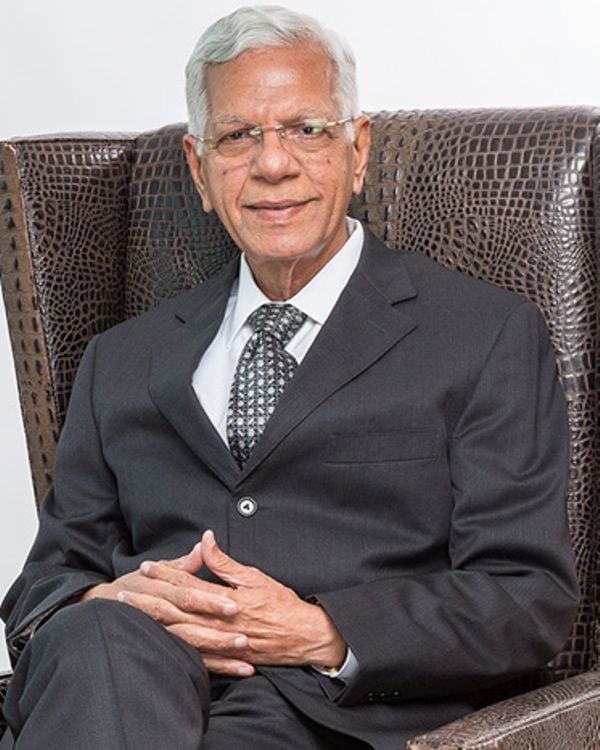 Celebrities
☑️Chandru Raheja
Chandru Lachmandas Raheja is an Indian businessman known for leading K. Raheja Corporation and for his long career in real estate, retail and hospitality.ト
Updated 2026-10-04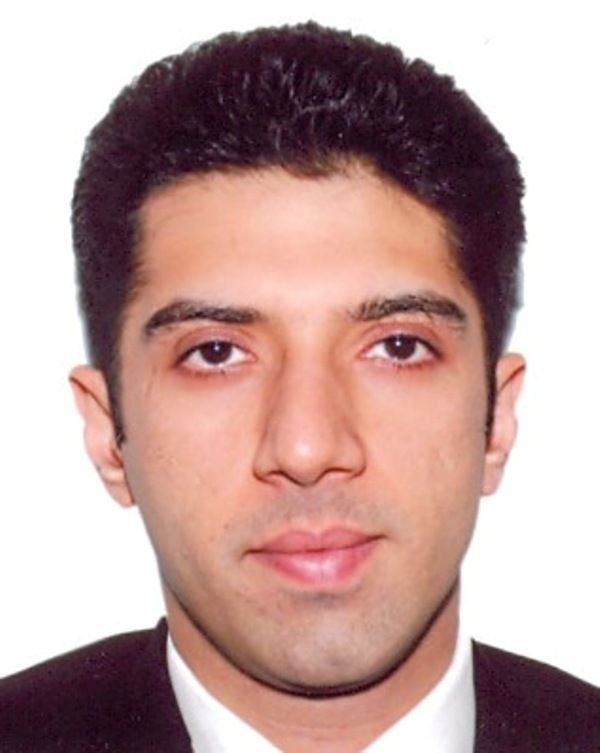 Celebrities
✅Neel Raheja
Neel Chandru Raheja is an Indian businessman who serves as Group President of K Raheja Corp. Born in Mumbai in 1974, he has guided the family's expansion—b
Updated 2026-10-04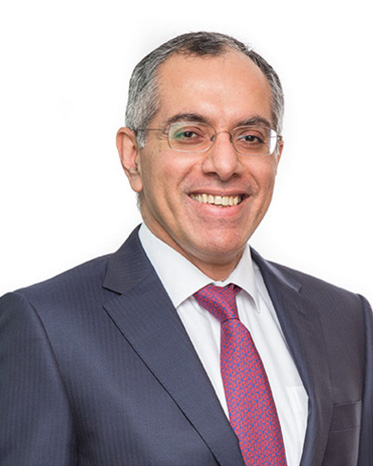 Celebrities
✅Ravi Raheja
Ravi Chandru Raheja is an Indian businessman known for his leadership role at K. Raheja Corporation. Born and raised in Mumbai, he holds degrees from the H
Updated 2026-10-04 Celebrities
6 Girlfriends Of Salman Khan
A look at six women who have been linked to Bollywood star Salman Khan over the years, from early romances to high-profile relationships that captured wide
Updated 2026-10-04