
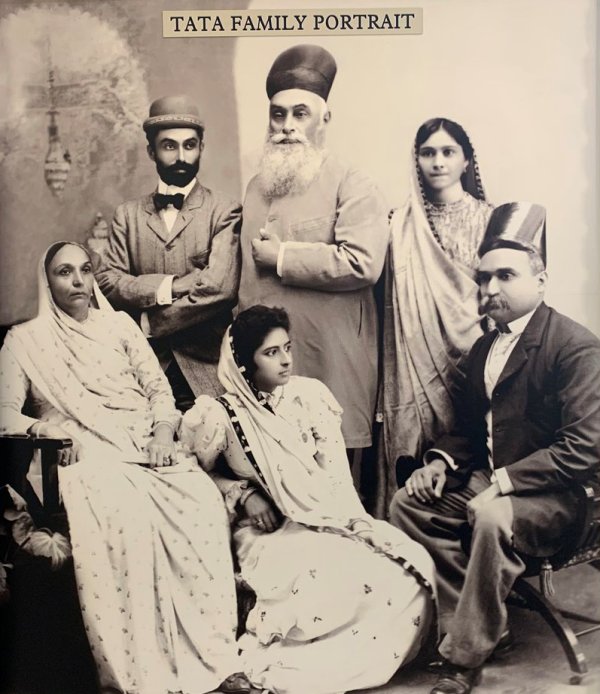
 Featured Biography
Image source: StarsUnfolded
Quick Info
BirthplaceSurat (family origins), later established in Mumbai
ProfessionIndustrialists; conglomerate founders and trustees
NationalityIndian (Parsi community origins)
FamilyParsi family; founder Jamsetji Tata and descendants including Dorabji Tata, Ratanji Dadabhoy Tata, J. R. D. Tata, Naval Tata, Ratan Tata
Tata Biography
The Tata name represents one of India’s oldest and most influential business families. Originating in the 19th century with Jamsetji Tata, the group grew从a
Early life and backgroundThe Tata family traces its origins to Parsis who migrated to Mumbai from Surat, Gujarat. The dynasty’s modern story begins with Jamsetji Nusserwanji Tata, born in the 19th century, who founded a trading firm in 1868 with modest capital and transformed it into a diversified industrial group over the following decades. Jamsetji married Hirabai Daboo; their sons Dorabji and Ratanji helped carry forward the enterprise after his death.
Jamsetji’s broader family network included cousins and in‑laws whose lives intersected with the business. Members of the extended family, through marriage and adoption, contributed to leadership and philanthropy across generations. Naval Tata, for example, was raised within the Tata household after being adopted by family members; he later became the father of Ratan Naval Tata, who would lead the group in the late 20th and early 21st centuries.
Career
Jamsetji Tata set out several of the institutions and projects that became signatures of the group: textile mills, India’s first planned steel city, a luxury hotel in Mumbai, an endowment to support Indian students abroad, and early ventures in power and transport. These initiatives laid the foundation for what would grow into a multi‑sector conglomerate spanning steel, power, hospitality, consumer goods and more.
Under Sir Dorabji Tata, Jamsetji’s eldest son, the group pursued industrial expansion. Dorabji established the Tata Iron and Steel Company (now Tata Steel) and initiated welfare projects for workers and local communities. The group’s first international office opened in London in 1907, signalling early global ambitions.
The Tata portfolio broadened further in the early 20th century with investments in hydroelectric power, scientific and educational institutions, and consumer products. The Indian Institute of Science opened in 1911, reflecting the family’s interest in advancing science and technical education. The Taj Mahal Palace Hotel, opened in 1903, became a renowned symbol of the group’s commitment to high‑end hospitality.
Over more than 150 years, Tata companies expanded into dozens of listed entities while a holding company structure—Tata Sons—remained unlisted. Control of the group has been maintained through a distinctive ownership arrangement that places governance in a set of philanthropic trusts rather than direct family share ownership. That structure has been credited with providing continuity and insulating the parent company from market pressures faced by publicly traded peers.
The chairman of the Tata trusts typically served as chairman of Tata Sons for much of the group’s history, contributing to long leadership tenures. An exception occurred in 2012 when Ratan Tata stepped down as chairman of Tata Sons but continued heading the trusts while Cyrus Mistry became chairman of Tata Sons, creating an unusual duality of roles.
Public profile
The Tata name has come to represent ethical business practice and national service in India. Jamsetji’s efforts to create industrial capacity, develop worker welfare measures and support education shaped a public image that spans entrepreneurship, philanthropy and civic contribution. Later generations continued this focus on institution building, from steel and power infrastructure to hospitals and research institutes.
Family ties have extended beyond industry into broader public life through marriages and relations that link the Tatas with other prominent families. The family’s network includes connections to the Petit and Wadia families and, historically, a marital link into the family of Muhammad Ali Jinnah. Leadership across generations has often followed lines of mentorship and inter‑branch cooperation within the extended Parsi community.
Latest updates
Over its long history the Tata Group has been notable for a small number of long‑serving chairpersons and for a governance model that emphasizes the role of trusts. The group continues to comprise many listed operating companies while Tata Sons remains the unlisted holding company that coordinates the broader strategy and stewardship of the enterprise.
The Tata story is therefore one of industrial pioneering, institutional philanthropy and sustained family stewardship that shaped several flagship institutions in India’s economic and civic landscape.
Editorial Review and Sources
This F4U profile is written from publicly available career and profile information, then reviewed for clarity before publication. If you spot an outdated detail about Tata, send the page URL and a reliable correction source to f4udotin@gmail.com.
Reference context: StarsUnfoldedAccuracy
Request a Correction
Tell us what needs to be updated and share a reliable source so the editorial team can review it.
Ownership
Claim This Profile
If this profile is about you or your client, send your contact details and verification context.
Recent Work
Luxury hotel in Mumbai established from Jamsetji Tata’s vision; opened in December 1903 and considered an early hallmark of the group’s hospitality presence.
1903Founded in 1907 under Sir Dorabji Tata to build India’s first large‑scale steel plant and to develop the planned industrial town that became Jamshedpur.
1907An educational and research institution founded from Jamsetji Tata’s vision; admitted its first students in 1911.
1911Career Highlights
- Founded as a trading business in 1868 by Jamsetji Nusserwanji Tata
- Established India’s first luxury hotel for Indian patrons (Taj Mahal Palace, 1903)
- Created Tata Iron and Steel Company (now Tata Steel) in 1907
- Set up the Indian Institute of Science and early hydroelectric power facilities
- Governance structure centered on trusts and a long history of multi‑decade chairmanships
People Also Search For
Frequently Asked Questions
What is Tata known for?
Tata is known for industrialists; conglomerate founders and trustees.
Related Biographies
View all →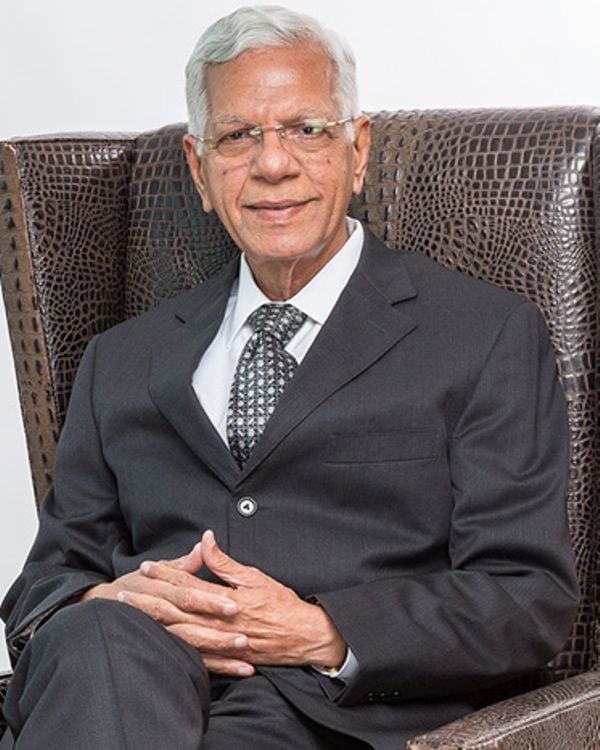 Celebrities
☑️Chandru Raheja
Chandru Lachmandas Raheja is an Indian businessman known for leading K. Raheja Corporation and for his long career in real estate, retail and hospitality.ト
Updated 2026-10-04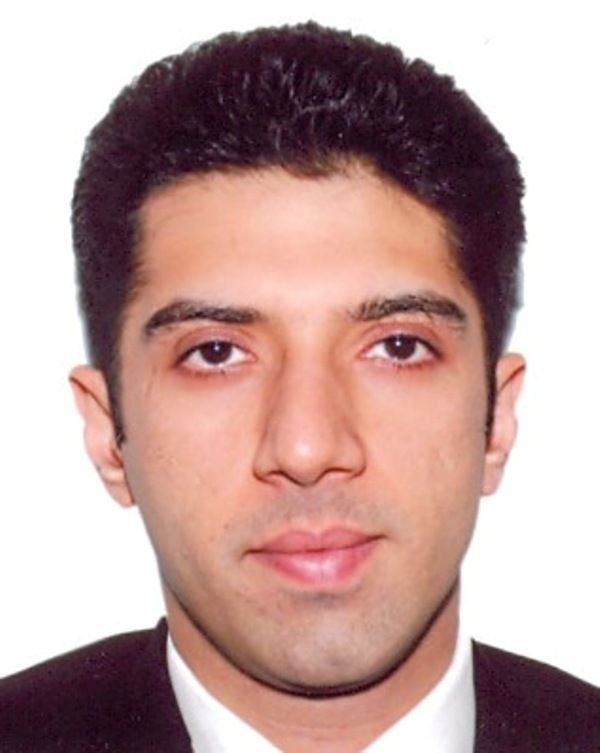 Celebrities
✅Neel Raheja
Neel Chandru Raheja is an Indian businessman who serves as Group President of K Raheja Corp. Born in Mumbai in 1974, he has guided the family's expansion—b
Updated 2026-10-04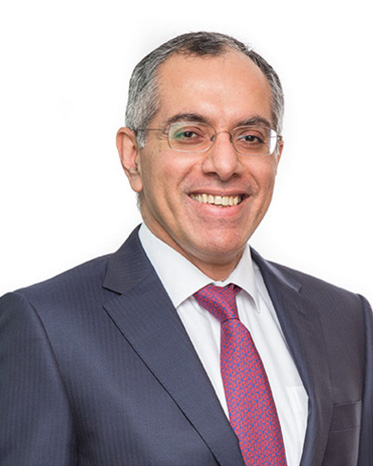 Celebrities
✅Ravi Raheja
Ravi Chandru Raheja is an Indian businessman known for his leadership role at K. Raheja Corporation. Born and raised in Mumbai, he holds degrees from the H
Updated 2026-10-04 Celebrities
6 Girlfriends Of Salman Khan
A look at six women who have been linked to Bollywood star Salman Khan over the years, from early romances to high-profile relationships that captured wide
Updated 2026-10-04