
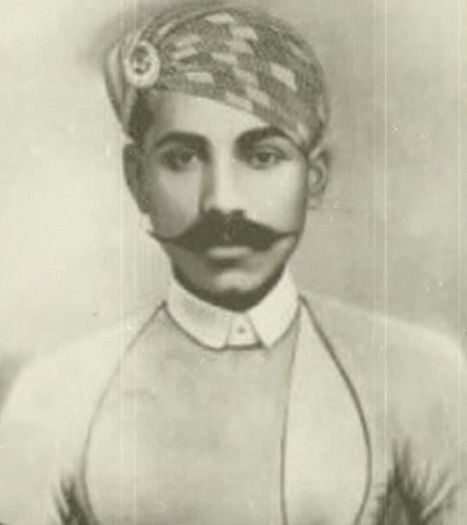
 Featured Biography
Image source: StarsUnfolded
Celebrities
Thug Behram Story, Biography: Age, Career, Family and More
Quick Info
Date of birth1765
Age75 Years
BirthplaceJabalpur, Madhya Pradesh, India
ProfessionSerial Killer, Robber, Thuggee
NationalityIndian
Thug Behram Story, Biography
Thug Behram, sometimes called Buram or Buhram Jemedar and dubbed the 'King of the Thugs,' is recorded in 19th-century British inquiries as a leading figure
Early life and backgroundBehram was born in 1765 in Jabalpur, in present-day Madhya Pradesh, India. He spent his early years in that region and is described as having been shy as a child. He later formed a close association with an older thug named Syed Ameer Ali, who played a central role in introducing him to the Thuggee network and who would become important in later investigations.
Career
Behram emerged as a prominent leader within the Thuggee cult, a loosely organized network of criminals active in central India during the late 18th and early 19th centuries. Sources associated with historic inquiries attribute to him a central role directing a large band of followers—said to number nearly 200—who targeted travelers, traders and pilgrims across the region.
Accounts from the period record that Behram and his followers used ritualized methods and a distinctive toolkit in their attacks. A yellow handkerchief, reportedly kept by Behram and used with a coin, is described in those accounts as the instrument employed to strangle victims. The group maintained certain customary restraints: they are reported to have avoided killing women, fakirs, musicians, lepers and Europeans, while otherwise using surprise, coded language and group tactics to carry out assaults.
British investigations and arrest
Behram's activities drew attention beyond India, prompting multiple British inquiries. Early investigative parties failed to break the network, and several of those investigators were killed during attempts to locate its leaders. William Henry Sleeman, a British official appointed to the region, played a leading role in the eventual suppression of the gang. Sleeman rose to prominence in the 1820s and pursued intelligence about the network over several years.
Syed Ameer Ali, once located and questioned, provided information that implicated Behram. Ameer Ali later surrendered to British authorities, and in 1838 Behram himself was taken into custody. During questioning after his arrest, Behram confessed to participation in a very large number of killings and named members of his group; contemporary records attribute roughly 931 victims to the broader gang and indicate that Behram claimed responsibility for approximately 150 individual killings.
Trial and execution
Following arrest and the subsequent detentions of other alleged members of his band, Behram and his companions were brought to trial. In 1840 Behram was executed by hanging in the Jabalpur area. That year also saw punishment and reform efforts applied to other members of the group; some were sent to reformatory institutions in and around Jabalpur. The village of Sleemanabad in the Jabalpur district now bears the name of William Henry Sleeman, and a memorial to him stands in the area.
Public profile
Behram is frequently associated with ritual devotion to the goddess Kali; contemporary narratives describe killings carried out in the name of that deity. His notoriety was substantial enough to enter later historical and popular accounts. His name and story have been discussed in modern works on the Thuggee phenomenon, and authors and filmmakers have referenced him when exploring the period.
Latest updates
In 2005, historian Mike Dash published Thug: The True Story of India’s Murderous Cult, a book that examines the broader Thuggee movement and the figures tied to it. In 2018, a Hindi feature film, Thugs of Hindostan, produced by Aditya Chopra and starring Aamir Khan and Amitabh Bachchan, presented a fictionalized tale inspired in part by historical Thuggee figures; publicity around the film noted that Aamir Khan’s role drew on the popular image of major Thuggee leaders.
Behram's life and actions remain a point of historical interest because of the scale of the criminal network recorded in British-era investigations and because his story sits at the intersection of colonial policing, local religious practices, and the emergence of large-scale suppression campaigns in early 19th-century India.
Editorial Review and Sources
This F4U profile is written from publicly available career and profile information, then reviewed for clarity before publication. If you spot an outdated detail about Thug Behram Story,, send the page URL and a reliable correction source to f4udotin@gmail.com.
Reference context: StarsUnfoldedAccuracy
Request a Correction
Tell us what needs to be updated and share a reliable source so the editorial team can review it.
Ownership
Claim This Profile
If this profile is about you or your client, send your contact details and verification context.
Recent Work
Mike Dash's 2005 book examining the Thuggee movement and its key figures, including Behram.
2005A 2018 Hindi film produced by Aditya Chopra; promotional materials noted that one lead role was inspired by historical Thuggee figures associated with Behram.
2018Career Highlights
- Recognized as a leading figure in the Thuggee cult active in central India
- Allegedly led a group reported to number nearly 200 members
- Confessed to participation in hundreds of killings during British investigations
People Also Search For
Frequently Asked Questions
When was Thug Behram Story, born?
Thug Behram Story, was born on 1765.
What is Thug Behram Story, known for?
Thug Behram Story, is known for serial Killer, Robber, Thuggee.
Related Biographies
View all →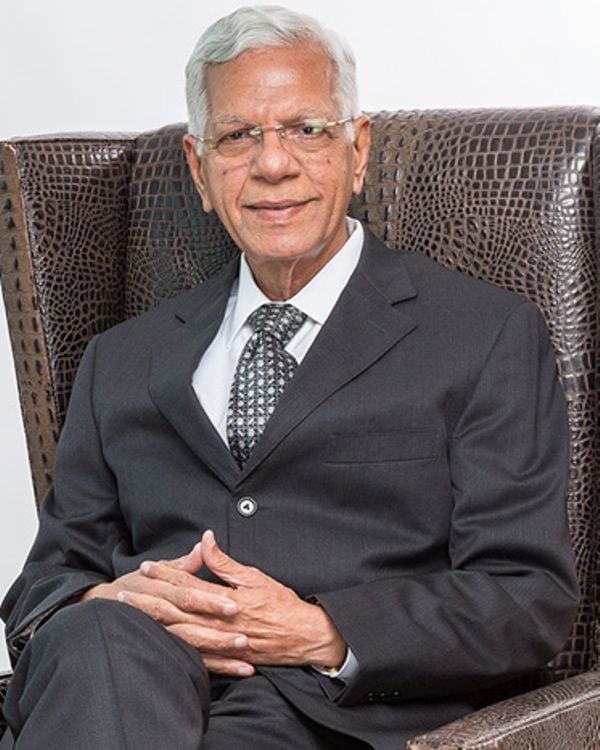 Celebrities
☑️Chandru Raheja
Chandru Lachmandas Raheja is an Indian businessman known for leading K. Raheja Corporation and for his long career in real estate, retail and hospitality.ト
Updated 2026-10-04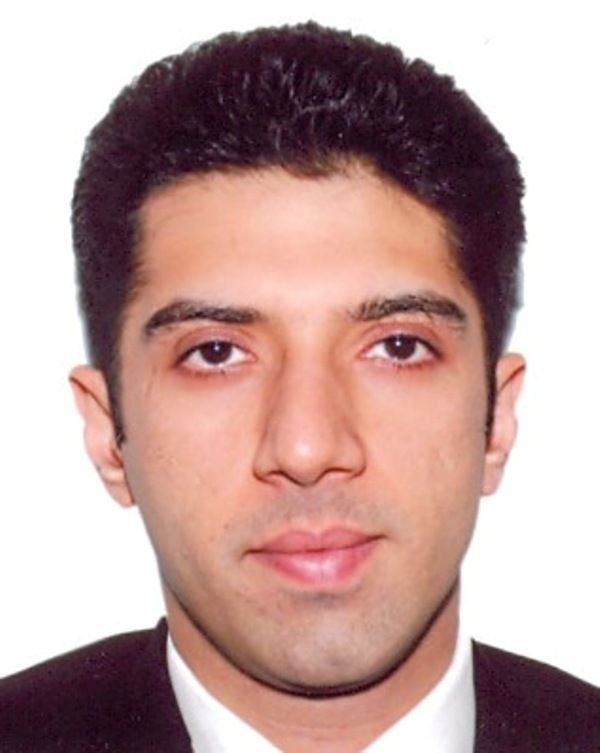 Celebrities
✅Neel Raheja
Neel Chandru Raheja is an Indian businessman who serves as Group President of K Raheja Corp. Born in Mumbai in 1974, he has guided the family's expansion—b
Updated 2026-10-04 Celebrities
✅Ravi Raheja
Ravi Chandru Raheja is an Indian businessman known for his leadership role at K. Raheja Corporation. Born and raised in Mumbai, he holds degrees from the H
Updated 2026-10-04 Celebrities
6 Girlfriends Of Salman Khan
A look at six women who have been linked to Bollywood star Salman Khan over the years, from early romances to high-profile relationships that captured wide
Updated 2026-10-04