
 Featured Biography
Image source: StarsUnfolded
Celebrities
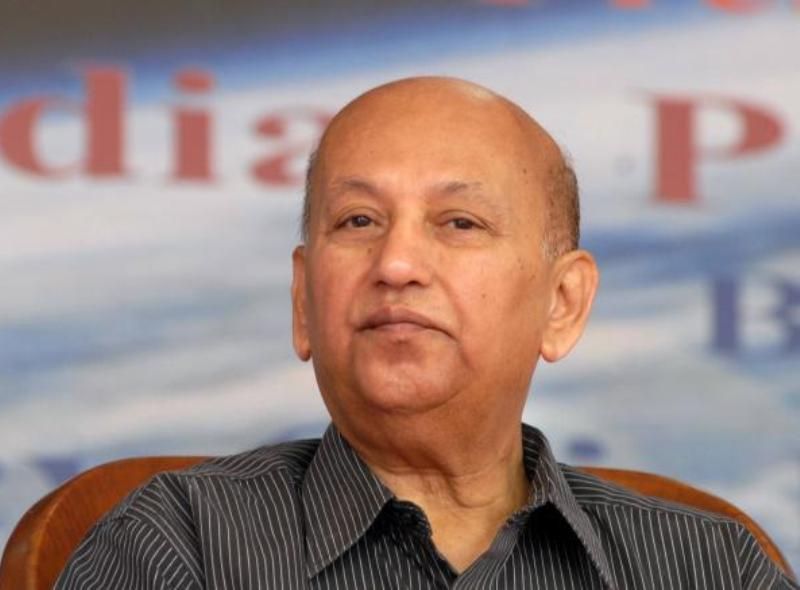
Udupi Ramachandra Rao Biography: Age, Career, Family and More
Quick Info
Date of birth10 March 1932
Age85 Years
BirthplaceAdamaru, Udupi, Karnataka
ProfessionIndian space scientist
NationalityIndian
Marital statusMarried
SpouseYashoda Rao
FamilyChildren: Madan Rao (son), Mala (daughter)
Udupi Ramachandra Rao Biography
Udupi Ramachandra Rao (10 March 1932 – 24 July 2017) was an Indian space scientist widely recognised for building India’s early satellite programme and for
Early life and backgroundUdupi Ramachandra Rao was born on 10 March 1932 in Adamaru, Udupi, in what was then the South Canara district of the Madras Presidency under British India. He completed a Bachelor of Science from the University of Madras and a Master of Science from Banaras Hindu University, later earning a PhD from Gujarat University. He studied at Christian High School in Udupi and Veerashaiva College in Karnataka during his formative years.
His interest in science developed early. After his studies he joined the Physical Research Laboratory to pursue doctoral work under the guidance of Vikram Sarabhai. Rao also spent time in the United States as a faculty member at the Massachusetts Institute of Technology and as an assistant professor at the University of Texas at Dallas before returning to India in 1966 to rejoin the Physical Research Laboratory in Ahmedabad.
Career
Rao played a pivotal role in establishing satellite technology in India and in training the engineers who would build the country’s first satellites. In the early 1970s he recruited and instructed students from the Indian Institute of Science, guiding teams that constructed the Aryabhata satellite. Aryabhata was launched in 1975, marking India’s entry into satellite development.
Over the next decades Rao was associated with more than 18 satellite projects, including Bhaskara 1 and 2, APPLE, Rohini, and the INSAT series. He led efforts to develop domestic capability in satellites and launch vehicles, emphasising cost efficiency and indigenous engineering. During his tenure he took responsibility for INSAT launches, which expanded telecommunications to remote regions of India.
In 1984 Rao became chairman of the Indian Space Research Organisation, a position he held until 1994. He also served as Chairman of the Space Commission and Secretary of the Department of Space from 1985. Under his leadership ISRO progressed in rocket development, including work on the ASLV, the operational PSLV that successfully placed an 850 kg satellite into orbit in 1995, and early development of the GSLV and cryogenic technology.
He became the first chairman of Antrix Corporation, ISRO’s commercial arm, and held numerous academic and administrative posts: Chancellor of the Indian Institute for Space Science and Technology (IIST), chairman of the Governing Councils of the Physical Research Laboratory and Nehru Planetarium, Chancellor of Babasaheb Bhimrao Ambedkar University, and leadership roles with the Indian Science Congress Association and several national science bodies. Internationally, he served as Vice President of the International Astronautical Federation and was elected chairman of the UN Committee on the Peaceful Uses of Outer Space (UN-COPUOS) in 1997.
Public profile
Rao received many honours across his career. National awards included the Padma Bhushan in 1976 and the Padma Vibhushan in 2017. His work was also recognised with numerous international awards, lifetime achievement honours from ISRO and the Astronautical Society of India, induction into the Satellite Hall of Fame in 2013, and a range of scientific society memberships and honorary doctorates from universities in India and abroad.
A prolific researcher and author, Rao published more than 350 scientific and technical papers on topics such as cosmic rays, astronomy, space applications, satellite engineering, and rocket technology. He also wrote books on communications and the use of space technology for sustainable development and planetary care.
Rao’s influence extended beyond space science: he chaired national committees, advised on technical education—including a controversial 2004 report addressing fees at higher education institutions—and led international meetings such as an Antarctic Treaty consultative committee session in 2007.
Personal life
Rao was married to Yashoda Rao, who was also a scientist. The couple had two children: a son, Madan Rao, who worked on the faculty of the National Centre for Biological Sciences in Bengaluru, and a daughter, Mala, an architect. His parents were Lakshminarayana Acharya and Krishnaveni Amma. Rao had two brothers: U. Krishnamorthy Rao and Marapalli Govinda Rao.
Later years and death
Rao continued to be engaged with the space community in later years and retained ties to ISRO. He died on 24 July 2017 in Indiranagar, Bengaluru, at the age of 85 after a prolonged illness and age-related health issues.
Latest updates
Posthumous recognitions and cultural references have kept Rao’s legacy in public view. He was the first Indian inducted into the International Astronautical Federation in May 2016. In 2021 Google honoured him with a doodle on what would have been his 89th birthday. A biographical portrayal of him appeared in the 2022 film Rocketry: The Nambi Effect, in which actor Mohan Raman played Rao.
Rao’s career left a lasting imprint on India’s space programme: from training the early engineers who built Aryabhata to steering ISRO through key satellite and launch vehicle developments, he is remembered as a central figure in the nation’s journey into space.
Editorial Review and Sources
This F4U profile is written from publicly available career and profile information, then reviewed for clarity before publication. If you spot an outdated detail about Udupi Ramachandra Rao, send the page URL and a reliable correction source to f4udotin@gmail.com.
Reference context: StarsUnfoldedAccuracy
Request a Correction
Tell us what needs to be updated and share a reliable source so the editorial team can review it.
Ownership
Claim This Profile
If this profile is about you or your client, send your contact details and verification context.
Recent Work
India's first satellite, built under his guidance and launched in 1975.
1975Led responsibilities for INSAT satellite launches and contributed to the development of the operational PSLV that placed an 850 kg satellite into orbit in 1995.
1995Career Highlights
- Chairman of the Indian Space Research Organisation (1984–1994)
- Pioneered India’s first satellite, Aryabhata (1975)
- First chairman of Antrix Corporation
- Chairman of the Space Commission and Secretary, Department of Space (from 1985)
- Elected chairman of UN-COPUOS (1997)
- Recipient of Padma Bhushan (1976) and Padma Vibhushan (2017)
People Also Search For
Frequently Asked Questions
When was Udupi Ramachandra Rao born?
Udupi Ramachandra Rao was born on 10 March 1932.
What is Udupi Ramachandra Rao known for?
Udupi Ramachandra Rao is known for indian space scientist.
What is Udupi Ramachandra Rao’s marital status?
Udupi Ramachandra Rao's marital status is listed as Married.
Who is Udupi Ramachandra Rao married to?
Udupi Ramachandra Rao is publicly listed as married to Yashoda Rao.
Related Biographies
View all →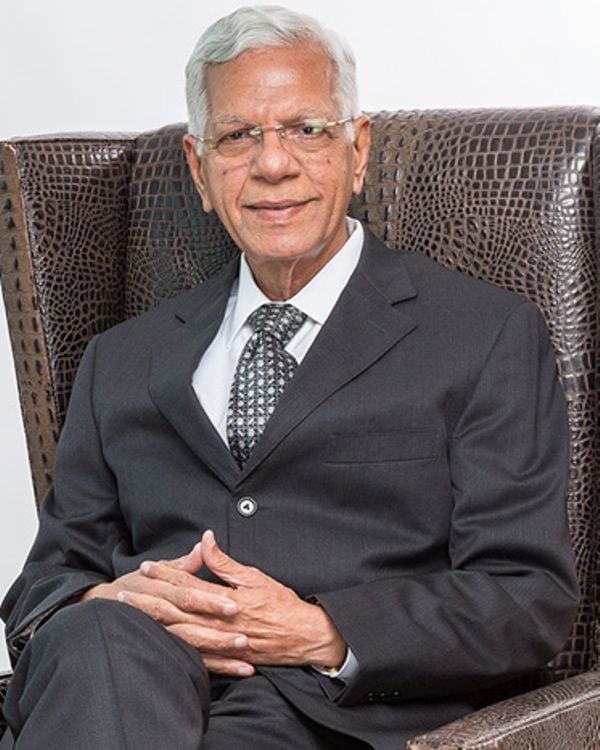 Celebrities
☑️Chandru Raheja
Chandru Lachmandas Raheja is an Indian businessman known for leading K. Raheja Corporation and for his long career in real estate, retail and hospitality.ト
Updated 2026-10-04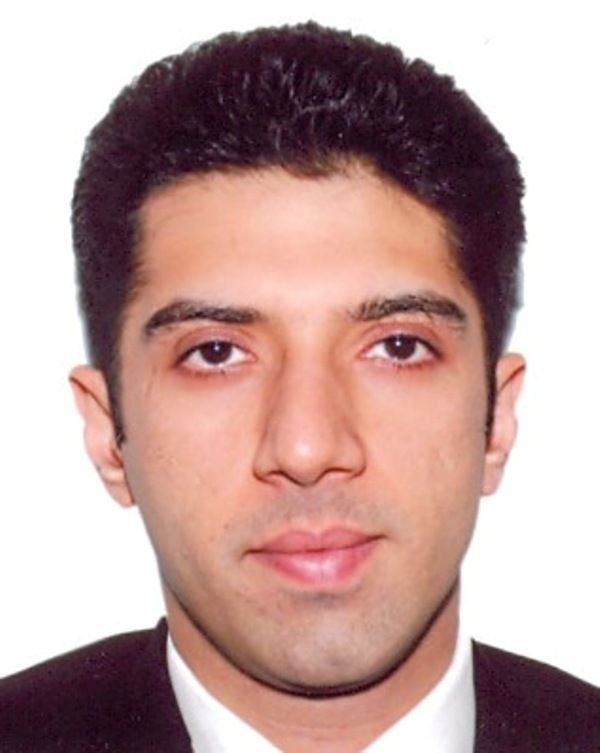 Celebrities
✅Neel Raheja
Neel Chandru Raheja is an Indian businessman who serves as Group President of K Raheja Corp. Born in Mumbai in 1974, he has guided the family's expansion—b
Updated 2026-10-04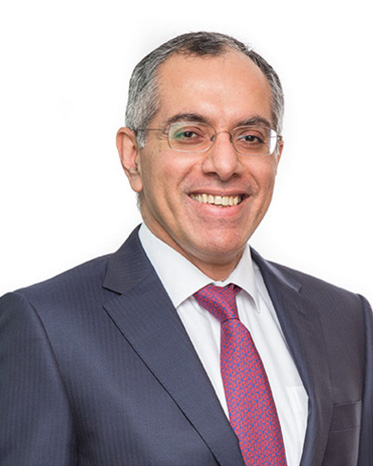 Celebrities
✅Ravi Raheja
Ravi Chandru Raheja is an Indian businessman known for his leadership role at K. Raheja Corporation. Born and raised in Mumbai, he holds degrees from the H
Updated 2026-10-04 Celebrities
6 Girlfriends Of Salman Khan
A look at six women who have been linked to Bollywood star Salman Khan over the years, from early romances to high-profile relationships that captured wide
Updated 2026-10-04