
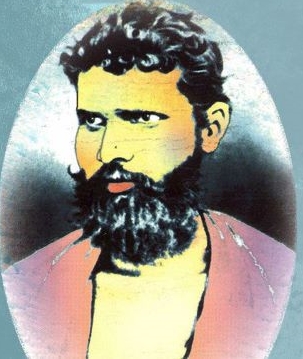
 Featured Biography
Image source: StarsUnfolded
Celebrities
Vasudev Balwant Phadke Biography: Age, Career, Family and More
Quick Info
Date of birth4 November 1845
Age37 Years (at time of death)
BirthplaceShirdhon, Raigad, Maharashtra, British India
ProfessionIndian independence activist
NationalityBritish Indian
Marital statusMarried
SpouseSaibai (m. 1859; d. 1872); Gopikabai Phadke (m. 1873)
FamilyDaughter - Mathutai; Father - Balvantrao Phadke; Mother - Saraswati Bai; Grandfather - Anantrao
Vasudev Balwant Phadke Biography
Vasudev Balwant Phadke (born 4 November 1845) was an Indian independence activist who organised armed resistance against British rule in the late 19thcentu
Early life and backgroundVasudev Balwant Phadke was born on 4 November 1845 in Shirdhon, Raigad, in what was then British India. He came from a family with ties to local service; his grandfather had been a low-ranking officer at Karnala Fort and died when Phadke was about ten. His parents were Balvantrao (also rendered Balwant) Phadke and Saraswati Bai. He grew up reading Sanskrit texts and religious works, developing an early devotion to Dattatreya that later inspired him to write a work titled Datta Lahiri.
Phadke received formal education in Bombay and is recorded as a graduate of Bombay University. After his studies he held clerical posts in Pune, including work with the military accounts department and positions at institutions such as Grant Medical College and the Commissariat Examiner’s Office.
Career
Phadke’s public life moved from civic and educational initiatives to direct action against colonial rule. In Pune he helped found the Poona Native Institution (later associated with the Maharashtra Education Society) and established the Bhave School. He also created the Aikya Vardhini Sabha, an organisation aimed at educating Indian youth.
By the 1870s Phadke had become an outspoken critic of British economic and administrative policies. A personal confrontation with colonial authorities — when his leave to see his dying mother was delayed — intensified his hostility toward the government’s treatment of Indians. Influenced by public figures and lectures about the economic harm of colonial rule, and encouraged by contacts such as the wrestler and social leader Lahuji Salve, Phadke shifted toward organising a grassroots resistance movement.
Phadke built an irregular force drawn largely from marginalized groups, including Ramoshis, Kolis, Bhils, and Dhangars. He trained in shooting, horsemanship, and fencing and even taught his wife practical skills for combat and self-reliance. His group carried out raids on government treasuries and wealthy targets to raise funds for relief of famine-affected villagers and to finance the rebellion. One early raid targeted funds kept in the house of a local businessman in Dhamari, and the proceeds were used to help those suffering during the famine.
The campaign met mixed results. Local leaders who supported Phadke, such as Ramoshi commander Daulatrav Naik, played important roles; Naik’s death in 1879 was a serious setback. Phadke also attempted to recruit fighters from outside Maharashtra, including Rohillas and others, and travelled to places such as Hyderabad and South India in search of support.
Capture, trial and imprisonment
A betrayal in July 1879 led to Phadke’s arrest after a clash with police in a temple in the Kaladgi district. He was brought back to Poona for trial and defended by Ganesh Vasudev Joshi, popularly known as Kaka Joshi. The court sentenced him to life imprisonment. He was deported to Aden jail in Yemen, where he attempted an escape in February 1883 by breaking prison doors; he was recaptured and shortly thereafter died on 17 February 1883 after a prolonged hunger strike.
Public profile
Phadke is remembered for advocating armed resistance as a means to end British rule and for mobilising groups who had been largely excluded from the political life of the time. He is often identified in historical accounts as an early exponent of direct action against colonial authorities and is widely referred to as a prominent pioneer of armed rebellion in nineteenth-century India.
His life combined religious devotion and militant ambition: an interest in Sanskrit works and worship of Dattatreya sat alongside practical preparations for insurgency, and he consciously trained and involved people from non-elite communities in his cause.
Personal life
Phadke married twice. His first marriage to Saibai took place in 1859; she died in 1872. He married Gopikabai in 1873 and they had a daughter named Mathutai. He practised caste endogamy and belonged to the Chitpawan Brahmin community. Accounts record that he taught his second wife reading and skills such as horse riding and the use of weapons, preparing her for the possibility of conflict.
Latest updates
Phadke’s trial testimony and diary entries were used by the colonial authorities during prosecution. In court he expressed the view that his actions were taken for the freedom and welfare of his countrymen and urged future generations to continue the struggle. His death in Aden prison on 17 February 1883, after a hunger strike, ended a chapter of early organised revolt against British rule in western India.
Today Phadke is remembered in historical narratives as a figure who attempted to link social grievances, famine relief and armed resistance, and as someone who mobilised communities outside the educated elite in pursuit of independence.
Editorial Review and Sources
This F4U profile is written from publicly available career and profile information, then reviewed for clarity before publication. If you spot an outdated detail about Vasudev Balwant Phadke, send the page URL and a reliable correction source to f4udotin@gmail.com.
Reference context: StarsUnfoldedAccuracy
Request a Correction
Tell us what needs to be updated and share a reliable source so the editorial team can review it.
Ownership
Claim This Profile
If this profile is about you or your client, send your contact details and verification context.
Career Highlights
- Organised an armed group drawing support from Ramoshi, Koli, Bhil and Dhangar communities
- Founded educational initiatives including the Poona Native Institution and the Bhave School
- Led raids on government treasuries to fund relief for famine-affected villagers
- Captured in July 1879, tried in Poona and sentenced to life imprisonment
- Died in Aden jail on 17 February 1883 after a hunger strike
People Also Search For
Frequently Asked Questions
When was Vasudev Balwant Phadke born?
Vasudev Balwant Phadke was born on 4 November 1845.
What is Vasudev Balwant Phadke known for?
Vasudev Balwant Phadke is known for indian independence activist.
What is Vasudev Balwant Phadke’s marital status?
Vasudev Balwant Phadke's marital status is listed as Married.
Who is Vasudev Balwant Phadke married to?
Vasudev Balwant Phadke is publicly listed as married to Saibai (m. 1859; d. 1872); Gopikabai Phadke (m. 1873).
Related Biographies
View all →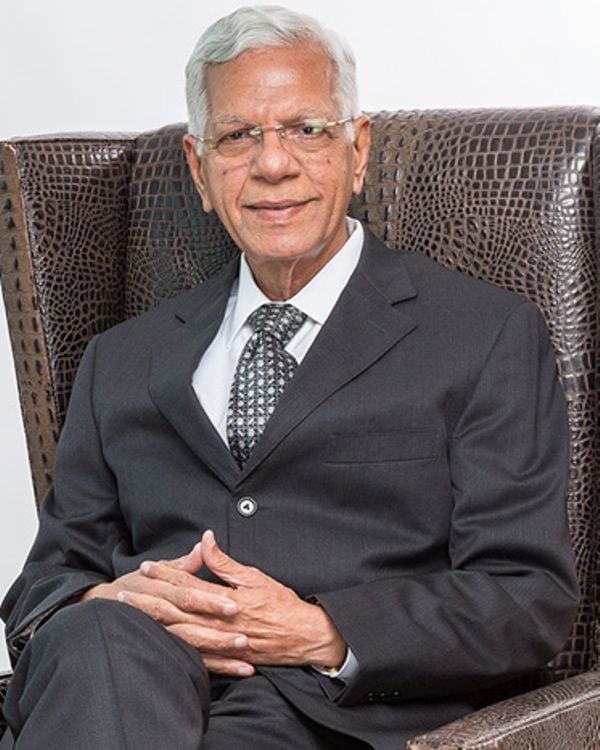 Celebrities
☑️Chandru Raheja
Chandru Lachmandas Raheja is an Indian businessman known for leading K. Raheja Corporation and for his long career in real estate, retail and hospitality.ト
Updated 2026-10-04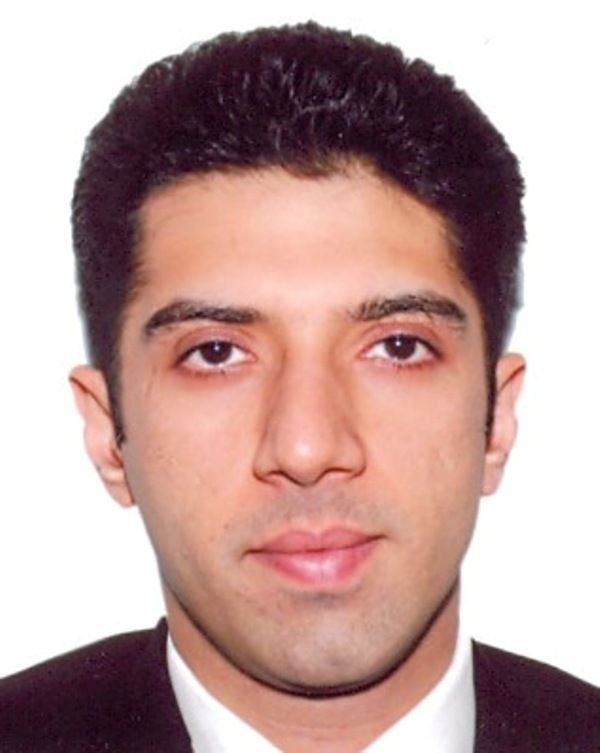 Celebrities
✅Neel Raheja
Neel Chandru Raheja is an Indian businessman who serves as Group President of K Raheja Corp. Born in Mumbai in 1974, he has guided the family's expansion—b
Updated 2026-10-04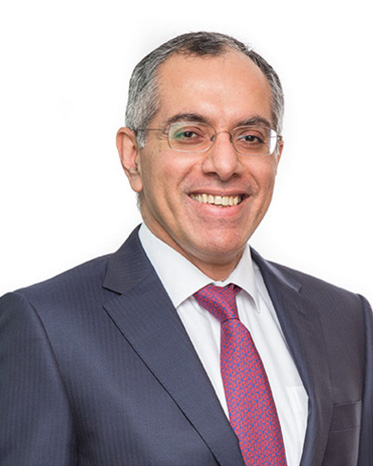 Celebrities
✅Ravi Raheja
Ravi Chandru Raheja is an Indian businessman known for his leadership role at K. Raheja Corporation. Born and raised in Mumbai, he holds degrees from the H
Updated 2026-10-04 Celebrities
6 Girlfriends Of Salman Khan
A look at six women who have been linked to Bollywood star Salman Khan over the years, from early romances to high-profile relationships that captured wide
Updated 2026-10-04