
 Featured Biography
Image source: StarsUnfolded
Celebrities
Vinayak Damodar Savarkar Biography: Age, Career, Family and More
Quick Info
Date of birth28 May 1883
Age82 Years (at time of death)
BirthplaceBhaghur, Nashik district, Bombay state, British India (present-day Maharashtra, India)
ProfessionRevolutionary, Author, Political leader
NationalityIndian
Marital statusWidower
SpouseYamunabai Savarkar (m. 1901–1963)
FamilyFather - Damodar; Mother - Radhabai; Brothers - Ganesh Damodar Savarkar, Narayan; Sister - Mainabai; Children - Vishwas Savarkar, Prabhat Chiplunkar
Vinayak Damodar Savarkar Biography
Vinayak Damodar Savarkar was an Indian revolutionary, writer and political leader best known for his role in the independence movement, for founding Abhinv
Early life and backgroundVinayak Damodar Savarkar was born on 28 May 1883 in Bhaghur in the Nashik district of what was then Bombay Presidency, British India (present-day Maharashtra). He belonged to a Chitpavan Brahmin family; his parents were Damodar and Radhabai Savarkar. He grew up in a time of rising political ferment and early on showed an interest in patriotic activity and writing.
Savarkar completed a Bachelor of Arts degree from Fergusson College, Pune, in 1905. With financial help from his future father-in-law, and later support while he was abroad, he went to England to study law on scholarship. There he became a barrister in 1909 and joined Gray’s Inn.
Personal life
In February 1901 Savarkar married Yamunabai (also known as Yashoda and affectionately called Mai). The couple had children; their family included a son named Vishwas Savarkar, a daughter Prabhat Chiplunkar and later a grandson Ranjit Savarkar. The couple’s first infant son, Prabhakar, died of smallpox while Savarkar was in London. His siblings included brothers Ganesh Damodar Savarkar and Narayan, and a sister Mainabai, several of whom were active in nationalist work.
Career
Savarkar’s early political activity included the founding of a secret society, Abhinav Bharat, with his brother, and involvement with Indian nationalist groups while in Britain, including India House and the Free India Society. In 1909 he published a book titled The Indian War of Independence, which drew the attention of the British authorities.
Arrest and imprisonment marked a major phase of his life. Detained in 1910 after his links with revolutionary circles surfaced, he was taken into custody in Marseille during an attempt to return to India and rendered to British control. Tried in India, he was convicted on charges that included conspiracy against the Crown and implicated in the assassination of the Nasik collector. Sentenced at age 28 to two terms of life imprisonment amounting to a total of fifty years, he was transported to the Cellular Jail in the Andaman and Nicobar Islands as a political prisoner.
While incarcerated, Savarkar filed petitions seeking concessions and early release; those petitions were repeatedly rejected in the early years. After his eventual release in 1937, he resumed public life and became an active writer and speaker across India.
Political and intellectual life
After leaving prison, Savarkar worked to popularize a political concept centered on Hindu cultural and political unity, which became known as Hindutva. He served as president of the Hindu Mahasabha and used his lectures and published work to advocate for the idea of India conceived as a Hindu Rashtra. He also led literary and cultural efforts: in 1938 he was appointed president of the Marathi Sahitya Sammelan in Mumbai, a role in which he promoted his views on national identity.
Savarkar’s politics included strong opposition to continued British military presence in India; he was critical of certain positions taken by the Indian National Congress during World War II. In July 1942, citing the strain of leadership, he resigned from the presidency of the Hindu Mahasabha. Following the assassination of Mahatma Gandhi in 1948, Savarkar was arrested as a suspected co-conspirator but was acquitted for lack of evidence.
Writings and legacy
A prolific writer, Savarkar argued that the struggle for Indian independence required forceful, even revolutionary, methods at times. His works, including The Indian War of Independence, were controversial and one was banned by the British administration. His advocacy of Hindutva and his role as leader of the Hindu Mahasabha made him a divisive figure in Indian public life; his ideas were later revived in political discourse several decades after independence.
Public profile
Savarkar was known by the honorific Veer and was widely recognized as a revolutionary freedom fighter and an author. Although he drew on Hindu themes in his political thought, accounts in the record describe him as an atheist. His public life was interwoven with notable episodes: his detention in the Andamans, international litigation after his arrest in Marseille, and his leadership in cultural and political organisations in post-release India.
Death
Vinayak Damodar Savarkar died on 26 February 1966 in Bombay, Maharashtra, at the age of 82 after a prolonged illness.
Latest updates
Following his death, Savarkar’s ideas continued to influence Indian politics and public debate. References to his writings and political positions resurfaced in later decades as different political parties and leaders engaged with his legacy.
Editorial Review and Sources
This F4U profile is written from publicly available career and profile information, then reviewed for clarity before publication. If you spot an outdated detail about Vinayak Damodar Savarkar, send the page URL and a reliable correction source to f4udotin@gmail.com.
Reference context: StarsUnfoldedAccuracy
Request a Correction
Tell us what needs to be updated and share a reliable source so the editorial team can review it.
Ownership
Claim This Profile
If this profile is about you or your client, send your contact details and verification context.
Recent Work
A controversial book on the 1857 rebellion that drew British attention and was banned by the colonial administration.
1909Career Highlights
- Founder of the Abhinav Bharat Society
- Author of The Indian War of Independence
- President of the Hindu Mahasabha
- President of the Marathi Sahitya Sammelan (1938)
Frequently Asked Questions
When was Vinayak Damodar Savarkar born?
Vinayak Damodar Savarkar was born on 28 May 1883.
What is Vinayak Damodar Savarkar known for?
Vinayak Damodar Savarkar is known for revolutionary, Author, Political leader.
What is Vinayak Damodar Savarkar’s marital status?
Vinayak Damodar Savarkar's marital status is listed as Widower.
Who is Vinayak Damodar Savarkar married to?
Vinayak Damodar Savarkar is publicly listed as married to Yamunabai Savarkar (m. 1901–1963).
Related Biographies
View all →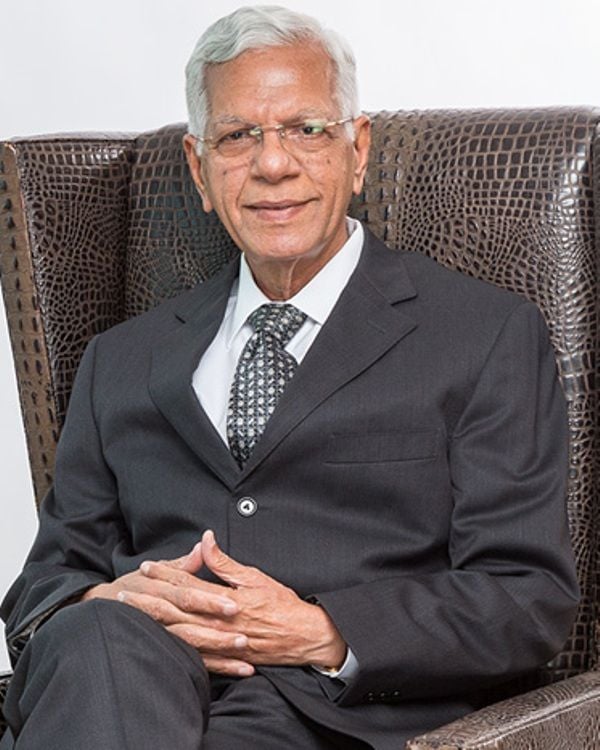 Celebrities
☑️Chandru Raheja
Chandru Lachmandas Raheja is an Indian businessman known for leading K. Raheja Corporation and for his long career in real estate, retail and hospitality.ト
Updated 2026-10-04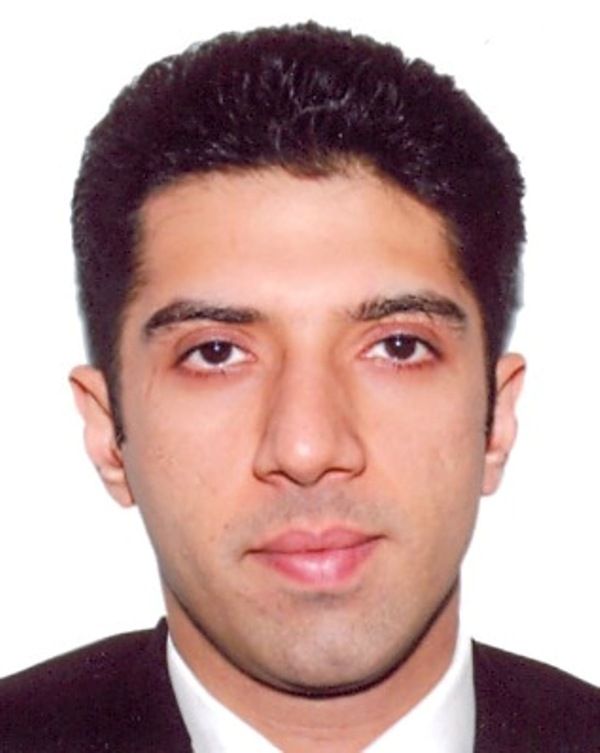 Celebrities
✅Neel Raheja
Neel Chandru Raheja is an Indian businessman who serves as Group President of K Raheja Corp. Born in Mumbai in 1974, he has guided the family's expansion—b
Updated 2026-10-04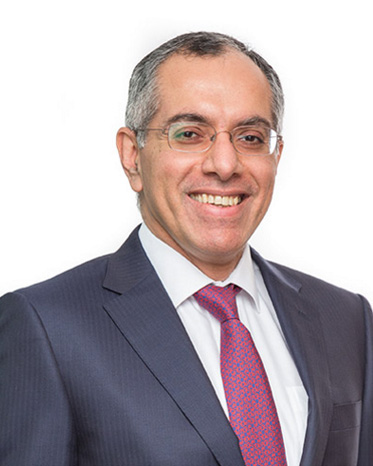 Celebrities
✅Ravi Raheja
Ravi Chandru Raheja is an Indian businessman known for his leadership role at K. Raheja Corporation. Born and raised in Mumbai, he holds degrees from the H
Updated 2026-10-04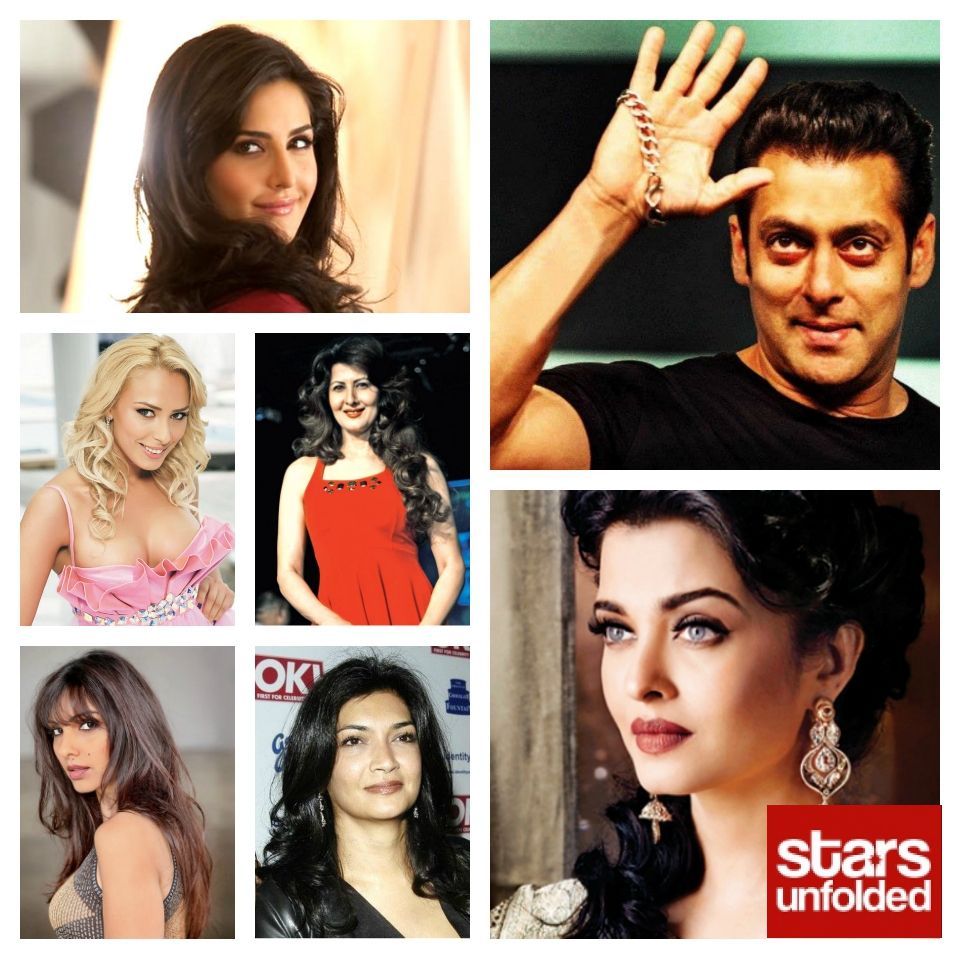 Celebrities
6 Girlfriends Of Salman Khan
A look at six women who have been linked to Bollywood star Salman Khan over the years, from early romances to high-profile relationships that captured wide
Updated 2026-10-04