

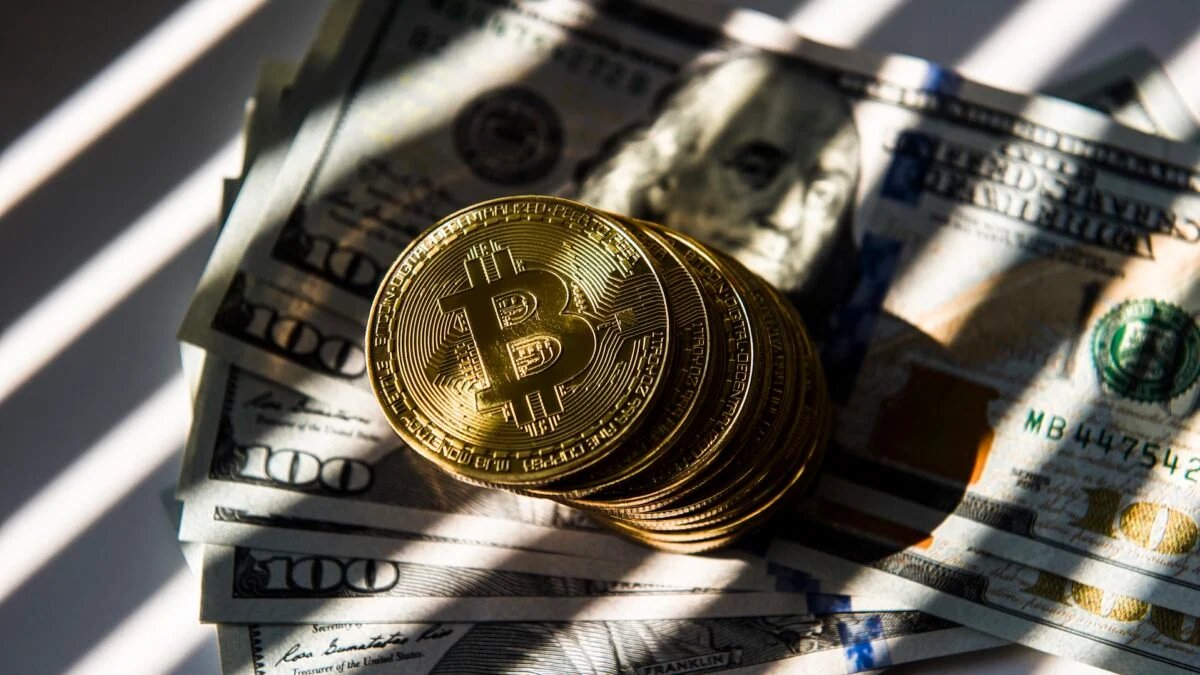
FBI Director Kash Patel has announced the arrest of John Daghita, who allegedly stole $46 million from the U.S. government’s crypto holdings in 2024. Daghita is said to have been arrested on the island of Saint Martin by French law enforcement in collaboration with the FBI. “FBI will continue working 24/7 with our international partners to track down, apprehend, and bring to justice those who attempt to defraud American taxpayers—no matter where they try to hide,” Patel said of the arrest.
Last night, John Daghita – a U.S. government contractor who allegedly stole more than $46 million in cryptocurrency from the U.S Marshals Service – was arrested on the island of Saint Martin by the French Gendarmerie’s premier elite tactical unit in a joint operation with the… pic.twitter.com/3ttochgbjk
— FBI Director Kash Patel (@FBIDirectorKash) March 5, 2026
In January, an investigation by blockchain analyst and Paradigm advisor ZachXBT connected Daghita to the theft of crypto from the U.S. Marshals Service (USMS). Notably, Patel referred to Daghita as a government contractor in his X post. Previously, Daghita was reported to be the son of the top executive at a firm that was granted a contract to securely store crypto on behalf of the USMS. According to reports, the vast majority of the funds stolen from the USMS were quickly returned within 24 hours after the theft took place. When reached by Gizmodo at the time, the USMS said no comment would be offered, as the situation was under investigation.
ZachXBT went public with his investigation on the matter after a Telegram account connected to Daghita revealed control over a blockchain address connected to the theft from the USMS. At the time, the Telegram user was engaged in a public battle with another Telegram user in a group chat over who controlled more crypto. In light of last night’s arrest, ZachXBT posted to X, “John Daghita (Lick) was arrested in the Caribbean yesterday as a direct result of my investigation . . . Thanks for the last laugh, John.”
John Daghita (Lick) was arrested in the Caribbean yesterday as a direct result of my investigation.
In late January 2026, I exposed how John stole $ 46M+ in seized crypto assets from the US government by abusing access at CMDSS, his father’s company, which held a USMS contract.… pic.twitter.com/iqnoQXKJqZ
— ZachXBT (@zachxbt) March 5, 2026
Although the U.S. government has yet to purchase new bitcoin or other crypto assets on behalf of its strategic bitcoin reserve or crypto stockpiles, the U.S. is the largest known holder of bitcoin among all nation-states due to the large number of seizures by federal law enforcement that have taken place over the years. In the past, these crypto assets were sold off, but the establishment of the Bitcoin Reserve via executive order by President Trump last year has ended this practice. In addition to the bitcoin reserve being built at the federal level, several states, such as Arizona and Texas, have also created their own reserves. Despite the lack of action regarding the bitcoin reserve recently, President’s Council of Advisors for Digital Assets Executive Director Patrick Witt indicated it is still a priority for the White House as recently as January.
A large number of thefts of large crypto holdings have taken place over the years, and many of them have been found to have been inside jobs, as is the alleged situation associated with Daghita’s arrest. However, a recent case in South Korea indicates unfamiliarity with how crypto works can also be an issue, as crypto was stolen after law enforcement posted a photo with the seed phrase associated with a seized crypto wallet online.
Criminal use of crypto is also said to be on the rise more generally, with a report from blockchain analytics firm Chainalysis indicating 2025 was a record year for this illicit activity at an estimated $154 billion worth of transfers.
Physical attacks for the purpose of crypto theft are also becoming increasingly common, as invading a known crypto user’s home or attacking them on the street is one way to get around the high-grade, cryptographic security provided by systems like Bitcoin. Binance France President David Prinçay was recently the victim of such an attack, and another home invasion took place in Arizona that mirrored a previous episode of Black Mirror. While the ability to obtain full self-custody over digital assets has proven useful during crises such as the war in Iran, these sorts of attacks indicate that full financial sovereignty can also be a double-edged sword if the proper security precautions are not taken.
