

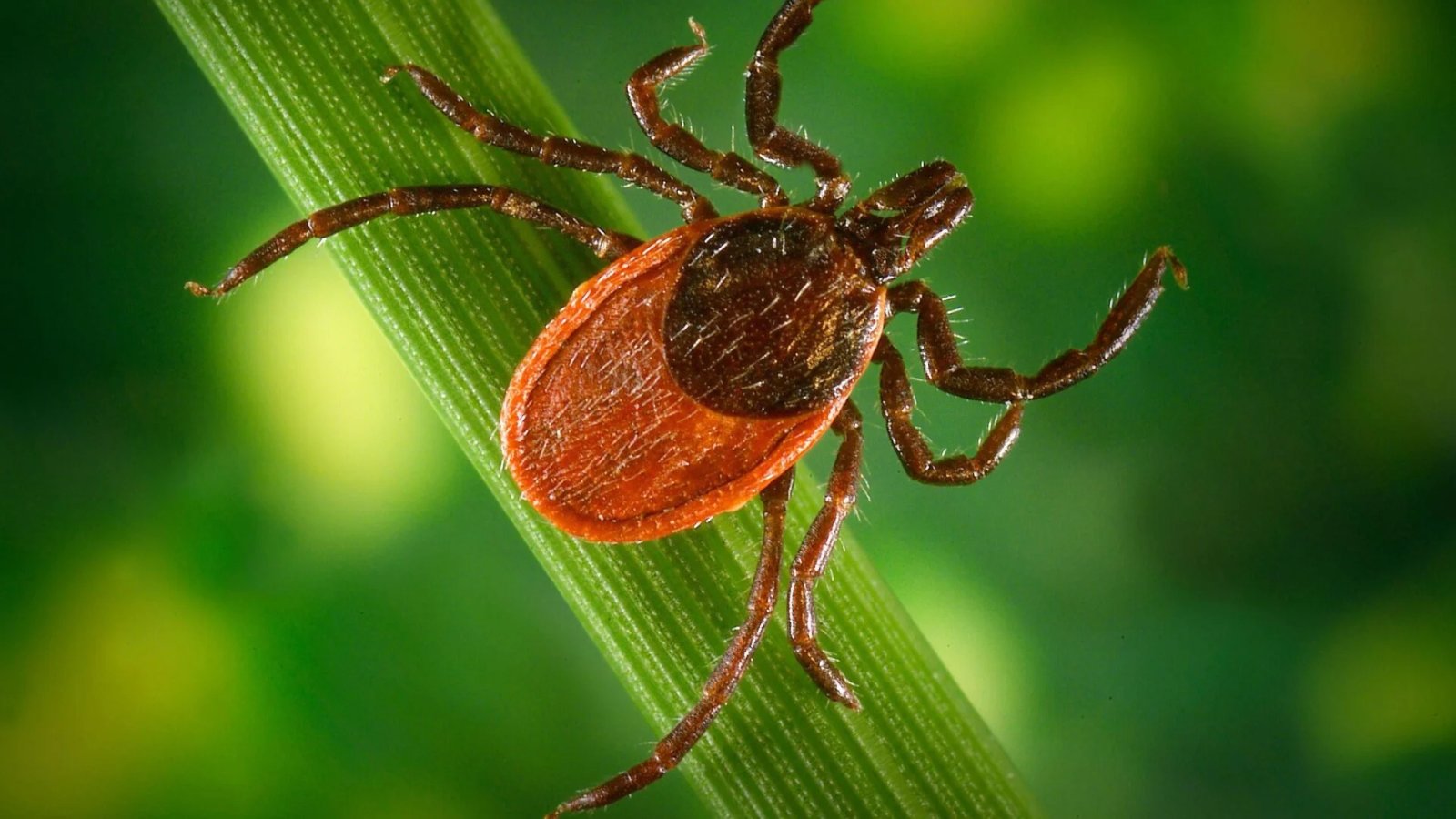
Ticks and the many diseases they can spread to people are a growing public health threat. With any luck, though, humanity may soon have a new weapon to use against the dreaded bloodsucking menace. A vaccine tailored to prevent Lyme disease has just shown positive results in a late-stage clinical trial.
On Monday, the pharmaceutical companies Pfizer and Valneva announced the latest findings on their jointly developed Lyme vaccine, code-named PF-07307405. The vaccine appeared to be more than 70% effective at preventing Lyme infection, though the underlying data wasn’t as statistically robust as expected. Regardless, the companies plan to submit the vaccine for FDA approval.
An uncertain success
PF-07307405 is designed to prevent infections from Borrelia burgdorferi, the bacteria that predominantly causes Lyme (other Borrelia bacteria can also rarely cause Lyme), though it works a bit differently compared with typical vaccines.
The vaccine trains the body to recognize and produce antibodies to the outer surface protein A (OspA) found on B. burgdorferi bacteria. When a Lyme-carrying tick slurps up blood from a vaccinated person, these anti-OspA antibodies are also ingested. And once inside the tick’s gut, the antibodies are intended to bind to the bacteria and prevent them, from leaving the tick at all, thus preventing infection. PF-07307405 targets the six most common serotypes of B. burgdorferi found in North America and Europe.
In the VALOR (short for Vaccine Against Lyme for Outdoor Recreationists) Phase III trial, nearly 10,000 people in the U.S., Canada, and Europe at higher risk for Lyme exposure were randomized to take PF-07307405 or a placebo. They received four doses in total: three given over the course of the first year and the fourth booster dose a year later. The participants were tracked through at least two seasons of peak Lyme disease activity (April to October in the U.S.), though a subset were followed for a third season.
By the end of the second season, Pfizer and Valneva reported, PF-07307405 was likely around 73% effective at preventing confirmed Lyme cases compared to placebo. However, the primary analysis of the study’s data had a lower 95% confidence interval than the companies had aimed for.
Confidence intervals provide the range of values that reflect a treatment’s genuine effectiveness based on the collected data; a 95% confidence interval means the number would fall between the lowest and highest values in 95% of cases if the study were repeated. This statistic helps quantify the certainty of a study’s results, such that a shorter interval means less uncertainty, and a longer interval means more.
Based on the trial’s primary endpoint, the vaccine’s potential effectiveness ranged from 15.8% to 93.5%, which was below the 20% lower bound that the companies had set as a goal. Pfizer and Valneva argue this disappointing result was caused by relatively mild seasons that led to fewer cases of Lyme than expected during the study period (the less disease there is in a region, the harder it would be to confirm a vaccine’s protective effect, even if it really exists).
What this means for the future of Lyme prevention
This doesn’t mean that PF-07307405 isn’t effective against Lyme, only that the certainty of its success is shakier than ideal. Notably, in a separate analysis of the data, the vaccine did surpass the 20% lower range (the 95% confidence interval was between 21.7% and 93.9%). That finding, coupled with the efficacy seen in the main results, has persuaded the companies to move ahead with submitting their vaccine for FDA approval.
“The efficacy shown in the VALOR study of more than 70% is highly encouraging and creates confidence in the vaccine’s potential to protect against this disease that can be debilitating,” said Annaliesa Anderson, senior vice president and chief vaccines officer at Pfizer, in a statement from the company.
What is certain is that Lyme disease is becoming a bigger problem, thanks to the increasing range and distribution of the ticks that spread it. And if PF-07307405 does work as hoped, it would be a major boon in helping us mitigate its impact.
“Lyme disease is common and becoming more common, and even though we have effective treatment, there can be delay in establishing the diagnosis and receiving adequate treatment and some patients with Lyme disease can suffer with prolonged symptoms for months, despite adequate treatment,” Martin Backer, an infectious disease specialist at NYU Langone not affiliated with the VALOR trial, told Gizmodo. “A safe and effective vaccine that helps prevent infections is great news for outdoor enthusiasts, those living in areas in which Lyme disease occurs and those who are concerned about Lyme disease.”
