

What you need to know
- Rumors surrounding the Galaxy Z Fold 8 claim Samsung could utilize the same M13 screen material that it has for the past couple of years.
- Supposedly, the company is looking to M13 to help keep costs down, but it might work in “improvements and stability” upgrades.
- Samsung’s displays aren’t perfect, as a deeper dive conducted by Android Central showed the issues it has, primarily on users whose eyes might be sensitive.
Overseas rumors allege Samsung’s screen material for its next book-style foldable could remain unchanged in 2026.
The rumor got going after EtNews (Korean) received word from a supposed industry source that Samsung will continue to use its M13 screen material (via Android Headlines). This M13 material will be applied to Samsung’s OLED display technology, which we’ve seen quite frequently over the past few years. The publication’s source claims that Samsung will look to “improve and stabilize” the Galaxy Z Fold 8’s display this year.
Android Central’s Take
From a cost standpoint—and thinking about everything going on with phones now—I can see why Samsung might take this route. Costs have been on the rise due to RAM and AI’s involvement with that. The Fold 7, and likely the Fold 8, is an incredibly pricey phone. Imagine if that went up by two, three hundred dollars. Would this next iteration see the same fame as the last one if it jumps that much higher?
Apparently, what Samsung is doing behind-the-scenes for the Fold 8’s OLED screen will result in “improved performance compared to when it was first released.” The company has also allegedly stuck with M13 as a tactic to avoid driving up costs by implementing something new.
Article continues below
You may like
Rumors claim Samsung might do the same for the Flip 8 this summer, too. The publication mentions the “Wide” Fold in this report, meaning Samsung might give the entire (alleged) foldable trio this year the M13 treatment. On the surface, if you’ve used one of these devices, or any flagship from 2025 and 2024, this might not seem bad. However, there’s more to this M13 material and Samsung’s OLEDs than we realize.
Display talk
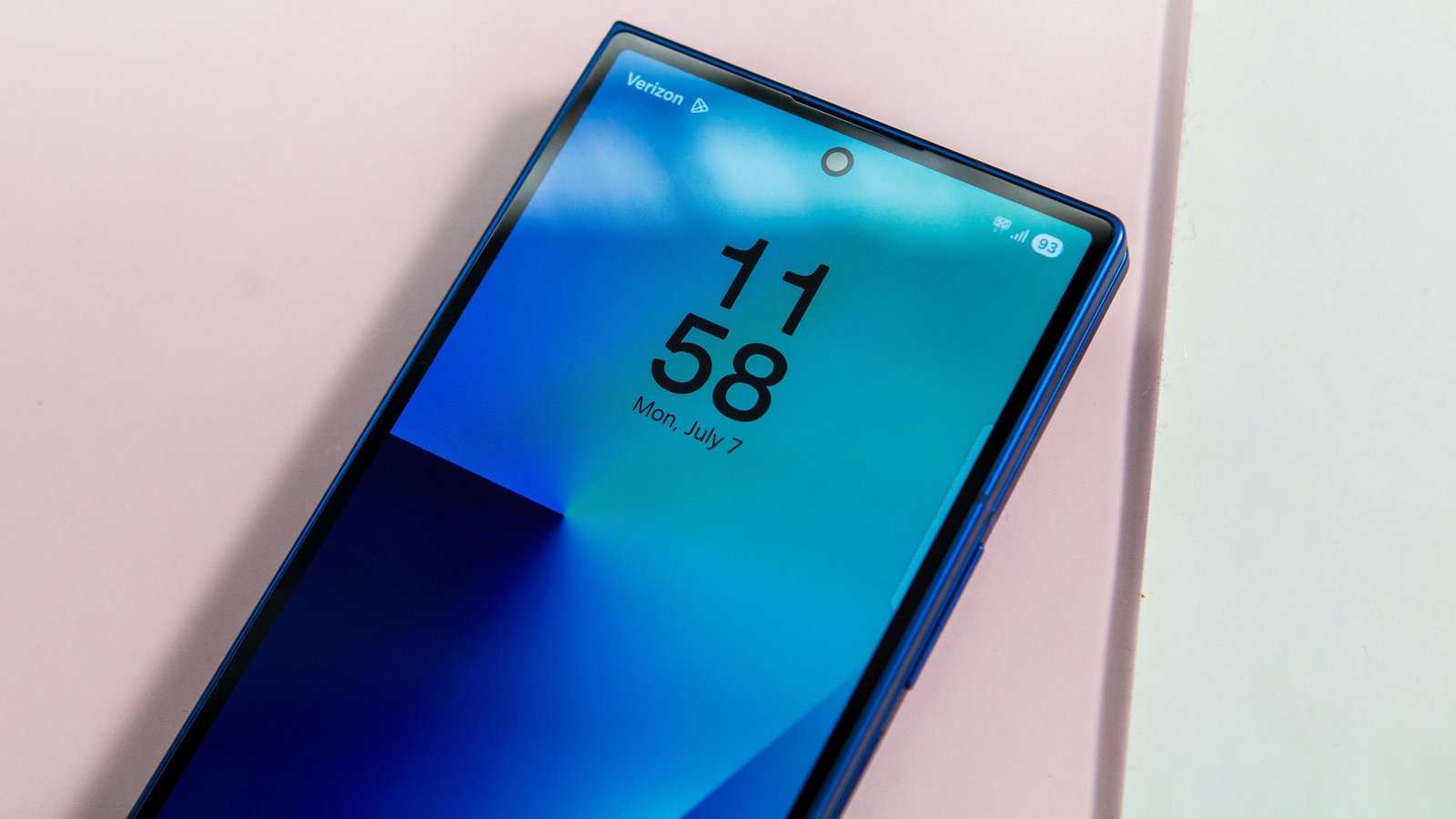
(Image credit: Andrew Myrick / Android Central)
Last year, Android Central’s Nicholas Sutrich took a close look at Samsung’s OLEDs and realized that they’re not the gold standard we thought they were. As Nick stated, “these displays are built to rank at the top of charts by using some nasty tricks that cause users real pain.” It was discovered that phones like the Galaxy S25 Ultra use an 8-bit display that uses dithering or Frame Rate Control (FRC) to “quickly flash” between two different hues to create a “color” that doesn’t exist.
Android Central’s Take
Another thing mentioned about FRC was that it could cause “temporal” artifacts to emerge. A “judder-like” motion could appear or users could notice “floating,” which are areas of an image that look like they’re moving when they’re not. It doesn’t happen for everyone, but it can be jarring for those that do experience it. These rumors claim Samsung is working on improvements to stability, so hopefully it’s aware of these issues and is looking to cut them out.
Samsung’s displays also flicker quite often, and that causes problems for users sensitive to that. While the M13 has continued to be put to use, Samsung deployed software measures to try to minimize its effects on users’ eyes, like with the S25 Ultra. There are other issues Samsung needs to solve with its displays, such as its graininess or how smudges just seem to linger. Hopefully, whatever Samsung is working on under-the-hood washes away the problems, as the Fold 7 was incredibly popular last year.
