

What you need to know
- Qualcomm has confirmed that it is working with Google to build some Googlebook laptops.
- Google is also partnering with Intel, Qualcomm, and MediaTek, giving manufacturers more flexibility across future Googlebook devices.
- Googlebooks are expected to support more powerful Android apps and premium hardware from Acer, ASUS, Dell, HP, and Lenovo.
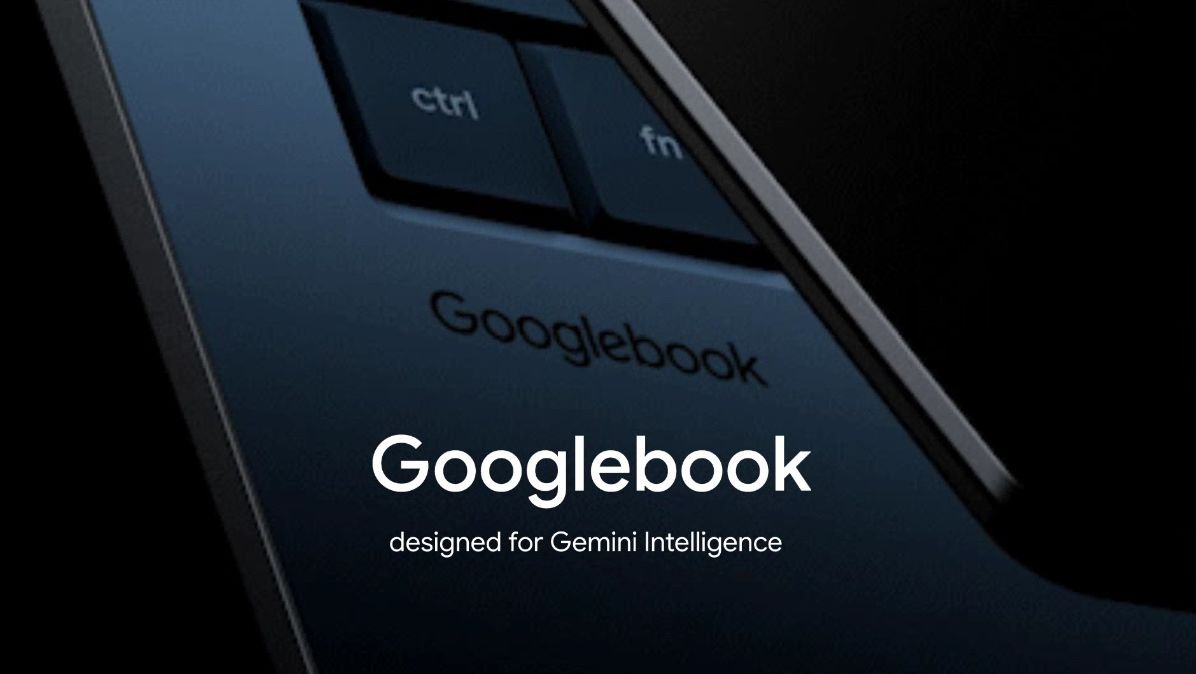
Google’s new Googlebook platform is already shaping up to be something much more than a Chromebook replacement, and Qualcomm just confirmed one of the most important pieces of the puzzle.
Qualcomm is bringing its Arm-based PC silicon to Google’s next-generation laptop platform after years of Snapdragon X chips being almost entirely tethered to Windows laptops, Qualcomm CMO Don McGuire confirmed in a now-deleted X post. However, the folks at XDA were quick to take a screengrab.
This means future Googlebook devices will not be limited to Intel processors. Qualcomm also confirmed on its own social media channels that it is collaborating with Google to build some Googlebook models, though it didn’t specifically mention Snapdragon X chips.
Latest Videos From
You may like
Additionally, John Maletis, VP of Product Management for ChromeOS, revealed partnerships with Intel, Qualcomm, and MediaTek in an interview with ChromeUnboxed.
Deep Android integration
This signals a big change in Google’s laptop strategy. For more than a decade, Chromebooks largely lived in the budget and education space. On the other hand, Googlebooks seems to be targeting premium laptops with deep AI integration, tighter Android connectivity, and desktop-class performance.
The new platform was announced by Google at The Android Show, where it was described as a move beyond traditional operating systems to a “intelligence system.” In simple terms, Google wants AI to be at the heart of the entire laptop experience, not an optional assistant sitting off to the side.
One of the headline features is something called Magic Pointer, which allows users to invoke Gemini-powered contextual actions by moving the cursor in certain ways. Google also showed off AI-generated widgets, real-time image editing tools, and deeper Android integration that lets users access phone apps and files directly from the laptop.
While older Chromebooks were very dependent on web apps and light workloads, Googlebooks are expected to support more advanced Android applications and premium hardware designs from companies like Acer, ASUS, Dell, HP, and Lenovo. Pricing could be substantially higher than typical Chromebooks, with early reports suggesting a starting price of around $1,000.
Android Central’s Take
Qualcomm jumping into Googlebook is the smartest thing Google could have done here. Snapdragon X chips have already proven their ability to deliver great battery life, cooler thermals, and solid AI performance on Windows laptops. So, it makes a lot more sense to bring that efficiency to Google’s AI-heavy vision instead of solely relying on Intel hardware.
