

I like my iPad Pro M4 quite a lot; the thin design along with the tandem OLED makes it the go-to choice if I want to read magazines or play games on the couch. There’s a distinct shortage of OLED-toting Android tablets, and that’s why I was interested in Huawei’s MatePad Pro that rolled out last year. Thanks to an innovative nano-coating tech with a matte texture and an OLED panel, the MatePad Pro Max stood out for all the right reasons, and I thoroughly enjoyed using it.
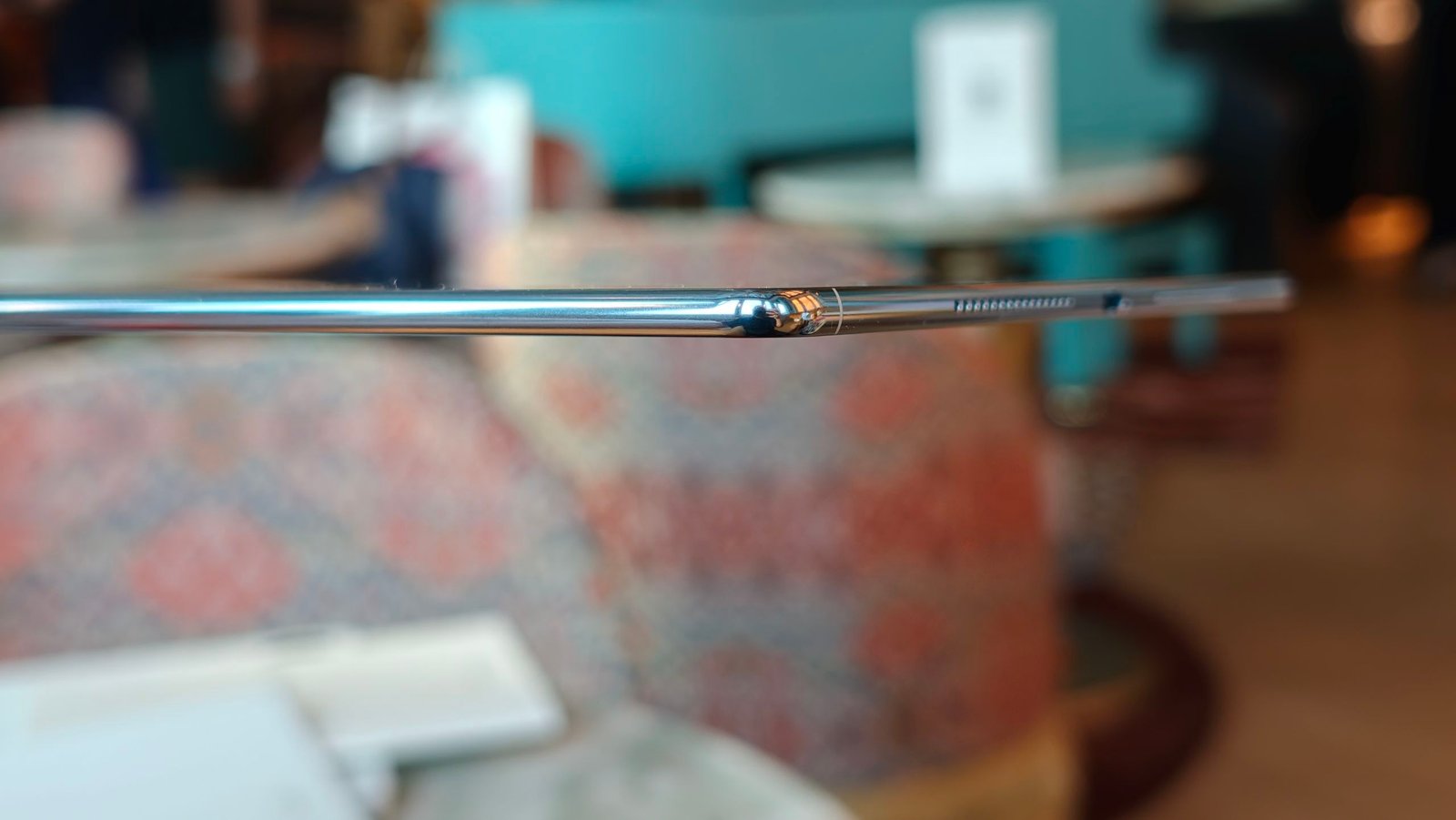
Huawei is now showcasing its 2026 efforts with the introduction of the MatePad Pro Max. As the name indicates, this is Huawei’s biggest tablet yet, and it has considerable upgrades: coming in at just 4.7mm and at 499g, it is the thinnest and lightest 13-inch tablet around. I didn’t think we’d see a thinner tablet than the 4.9mm iPad Pro, but Huawei managed to do it, and that’s an achievement in and of itself.
(Image credit: Harish Jonnalagadda / Android Central)
The sleek design is immediately evident when holding the MatePad Pro Max; while the camera island juts out a little bit, the rest of the tablet is unbelievably thin, and it didn’t really feel like I was using a 13-inch tablet with a 10,400mAh battery. On that note, Huawei is using a silicon battery this time around, and it’s good enough to stream over 14 hours of video on a single charge — more than adequate to binge an entire season of a TV show.
Article continues below
You may like
The variant I’m using comes in at 509g, and the blue color option has a matte texture that feels good to hold while visually standing out against the gold-accented models in the previous generation. The tablet itself has a metal unibody design, and Huawei says it optimized the internal architecture and went with a centralized mainboard, delivering better thermal management.
(Image credit: Harish Jonnalagadda / Android Central)
There’s always the question of durability when talking about ultra-thin tablets, and Huawei says it added an internal “load-bearing beam structure” to high-stress area and reinforced the camera, mainboard, and battery with steel to ensure these parts don’t get deformed with localized stress. I’ve been using the tablet for just a day now, so I can’t really talk about how it holds up with the rigors of everyday use, but I’ll share those findings in a dedicated post.
What I like the most about the MatePad Pro Max is unquestionably the PaperMatte panel. Huawei once again managed to deliver a panel with a matte texture and an anti-glare design, and it gives the MatePad Pro Max a distinct edge. Another positive is that the panel itself is brighter and comes with better color vibrancy, and there’s no graininess when watching videos on it, which is a big improvement from the MatePad Pro.
Image 1 of 3
(Image credit: Harish Jonnalagadda / Android Central)(Image credit: Harish Jonnalagadda / Android Central)(Image credit: Harish Jonnalagadda / Android Central)
It’s also great to see that the tablet has even thinner bezels. Talking about bezels, Huawei shrunk the camera module at the front, and it slots into the 3.5mm bezel without the need for a cutout, and that’s pretty great in its own right.
The 13.2-inch 3K OLED panel is among the best you’ll get on any tablet, and it gets bright enough that using it outdoors hasn’t proven to be an issue. Color rendition is much better this year, and even with the matte coating, I didn’t see any issues with visual clarity.
(Image credit: Harish Jonnalagadda / Android Central)
Because of the unique coating, the MatePad Pro Max doubles as an excellent choice if you want to paint or sketch digitally. Huawei sells a bundle with the stylus (which easily integrates into the keyboard accessory), and it’s just great to draw on the matte panel — it’s much better than the iPad Pro in this area. The Glide keyboard accessory is pretty good too, and it isn’t as heavy as the Magic Keyboard — but you don’t quite get the floating hinge design either.
Huawei didn’t talk about the internals other than stating that the MatePad Pro Max is 20% faster than its predecessor, and that it uses a new thermal management system that’s similar to high-end gaming notebooks. I didn’t get to test the hardware as the tablet was running beta software, but I don’t see any problems in this area — my MatePad Pro continues to do well in most daily tasks.
(Image credit: Harish Jonnalagadda / Android Central)
The MatePad Pro Max is launching globally in the coming weeks, and it is a good alternative if you need an OLED tablet with unique extras. The panel is the clear star of the show, and the bigger battery along with the ultra-thin design allows it to stand out against the iPad Pro and Android rivals. Of course, you still don’t get Google services out of the box, but that isn’t as big an issue as it used to be, and you can easily install the Play Store.
