

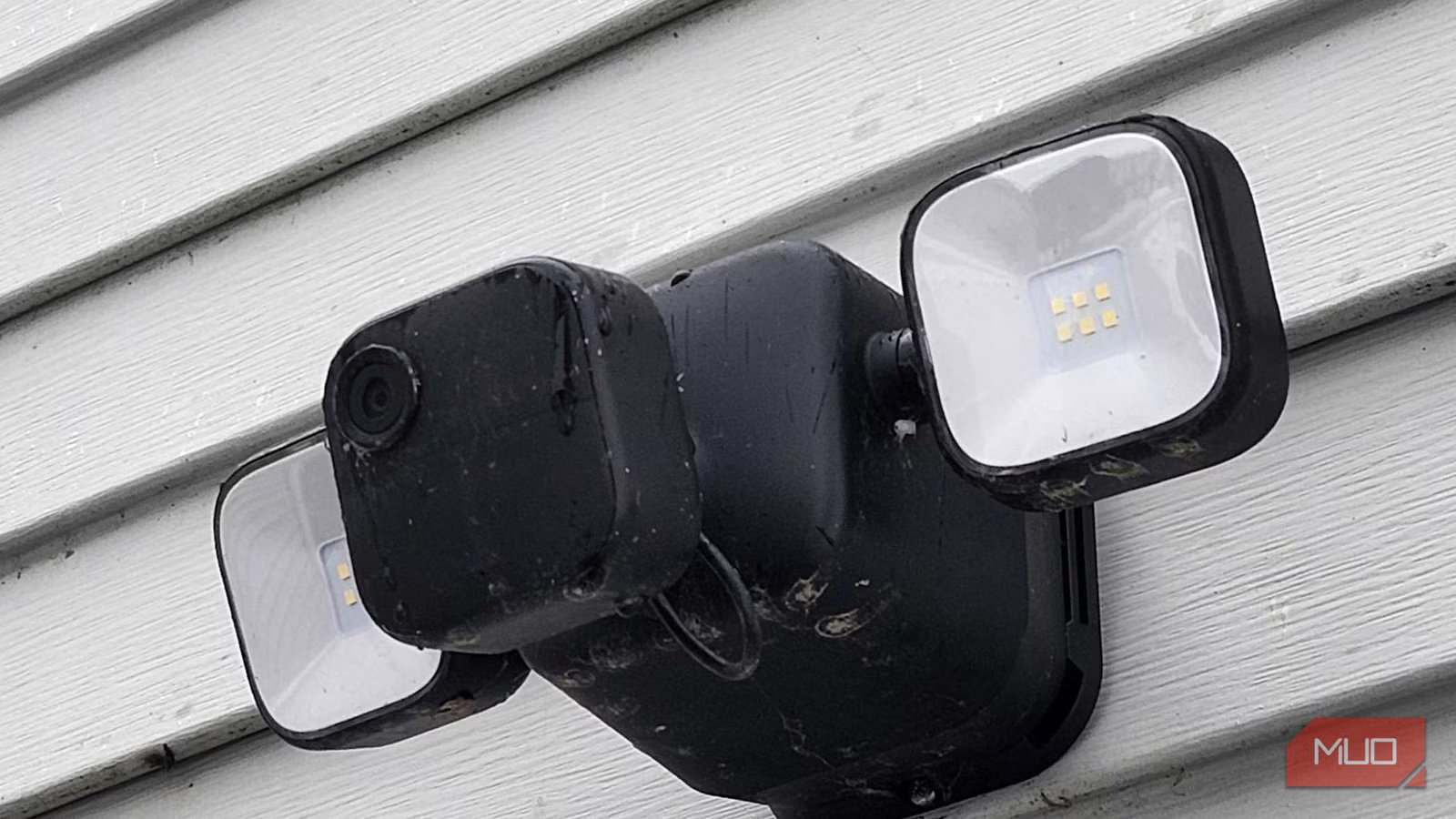
Security in your home is as important as almost anything. You don’t have anything if you don’t have a secure presence watching over your home. You might live in a statistically safe neighborhood. But all it takes is one incident to make you rethink your entire security strategy.
You can create a smart home with gadgets that will help your anxiety. If you don’t have security cameras, smart locks, sensors, and more, you’re not protecting your home as well as you can. Recently, the Connectivity Standards Alliance (CSA) updated the Matter standard to include smart cameras. This is huge for anyone planning out their smart home who wants to boost their security. However, with the fact that the inclusion of cameras is still new, there are some aspects of it that need to be considered before you adopt it in your home.
Related
Your smart home cameras are about to work way better together thanks to a new Matter update
Better streaming means better support across more devices
You still need to pay attention to the manufacturers’ apps
This is a negative of the smart home experience
A lot of this article is meant to look forward to when there are more Matter-compatible cameras than what is on the market now.
For so many smart home devices, you’ve likely set them up on your Wi-Fi and used them easily. While many smart homes can be run effectively through different ecosystems, most of them rely on a mix of native apps for the devices and an overall ecosystem app.
For the most part, when you’re purchasing a smart home device, you’re going to think about how it integrates into your home. If you can use it with your smart speaker, tablet, or hub, you’re going to get more use out of it. It’s going to make more sense for your home.
However, there are still times when you’re going to use your manufacturer’s native app to control your device. Some devices don’t work well within your ecosystem, even when you have Matter. It’s also important to remember that not every device works with Matter.
Matter helps you connect your devices by having them communicate with one another. It aims to improve interoperability. But, if you want some of the camera-specific features that your smart camera offers, you may need to use the native app.
For example, if you want to watch the feed from a Ring Pan-Tilt Indoor Cam, that shouldn’t be a problem to do through your Matter-connected devices. But, if you want to tilt or pan the camera, you’re likely going to have more success using the Ring app.
Not all smart cameras will get Matter 1.5
Legacy cameras might be out of luck
Credit: Eufy
You might have moved into a house that already had security cameras set up. I can speak from experience, as the previous owner had installed two Ring Video Doorbells, one on the front door and one by the garage, when they lived in what is now my house. When the paperwork was signed to purchase the house, they had to grant permission for us to take over the security cameras.
While the cameras they installed were newer, we could have moved into a home that had old wired cameras. These likely would not get the Matter update or be eligible for the standard. Currently, there are only three Matter-compatible smart cameras.
If you’re in a situation where your old cameras aren’t Matter-compatible (and many currently aren’t), then you’d have to upgrade your cameras before you can enjoy Matter. Opting for a new camera that has Matter compatibility will solve the problem. This will also probably change how you want to set up your smart home system, as security is often a cornerstone of the setup.
If you haven’t ever had security cameras as a part of your home system, you will have your pick, as the Matter-compatible ones will work within many ecosystems. However, if you have to replace older cameras, especially wired ones, look for ones that will fit the same kind of setup as your old ones. This can alleviate your need to run more wiring.
Your home ecosystem might not be ready
This is a process and it takes time
Credit: Blink
As with any rollout of Matter guidance, things can take time for the products themselves to catch up. While Matter is a universal standard that can apply to thousands of different products across many different home ecosystems, its adoption is not instantaneous.
Some smart home systems, such as Samsung SmartThings, are particularly good about working with the CSA and the new Matter updates. Others take some more time.
This will depend on which cameras you have and what home ecosystem you’ve opted for. Because Matter allows you to choose a variety of devices from different manufacturers, you don’t have to stay loyal to one brand.
You can find the devices with the best features and the ones that cater best to your situation. This gives you flexibility, but you need to remember that not all the cameras that will have Matter compatibility are available yet. It might even be in your best interest to wait and see what else is coming out before you make your decision.
Make sure your storage is set up to succeed
You don’t want a blip on the radar
Amir Bohlooli / MUO
Your Matter devices act as local ones on your Wi-Fi, Ethernet, or across your Thread Border Router. This means that they can run faster and more efficiently.
However, when it comes to cameras, one of the best features they can offer is video storage. You might want to go back and review an incident that occurred on your cameras, rather than only seeing what’s happening live. While getting a live look at your camera is incredibly beneficial, especially if you aren’t home, the ability to see previous footage might be more important for some.
The Matter 1.5 update gives users the ability to configure recordings for both local and cloud storage. But, not every camera is going to allow one or the other.
Some only let you rely on cloud-based storage, meaning they’ll require you to have a subscription and will only show you the video footage based on the parameters of the subscription. You’ll have to see how your Matter-compatible camera works in terms of its storage. The Matter guidelines allow you to access the cameras locally, so you aren’t forced to rely on cloud connections if you don’t want to. This is important to read up on before you purchase a specific camera.
Being on the local network can also protect your data better. This eliminates possible cloud security breaches, which can occur and leak your data.
Cameras are Matter-compatible and can work in your home
If you’re going to set up your smart home to rely on Matter compatibility, the latest update lets you bring security cameras into the mix. The new standard lets you update your smart home with even more Matter devices. If you are someone who wants to go all-in with Matter, adding security devices is another step in the process.
