

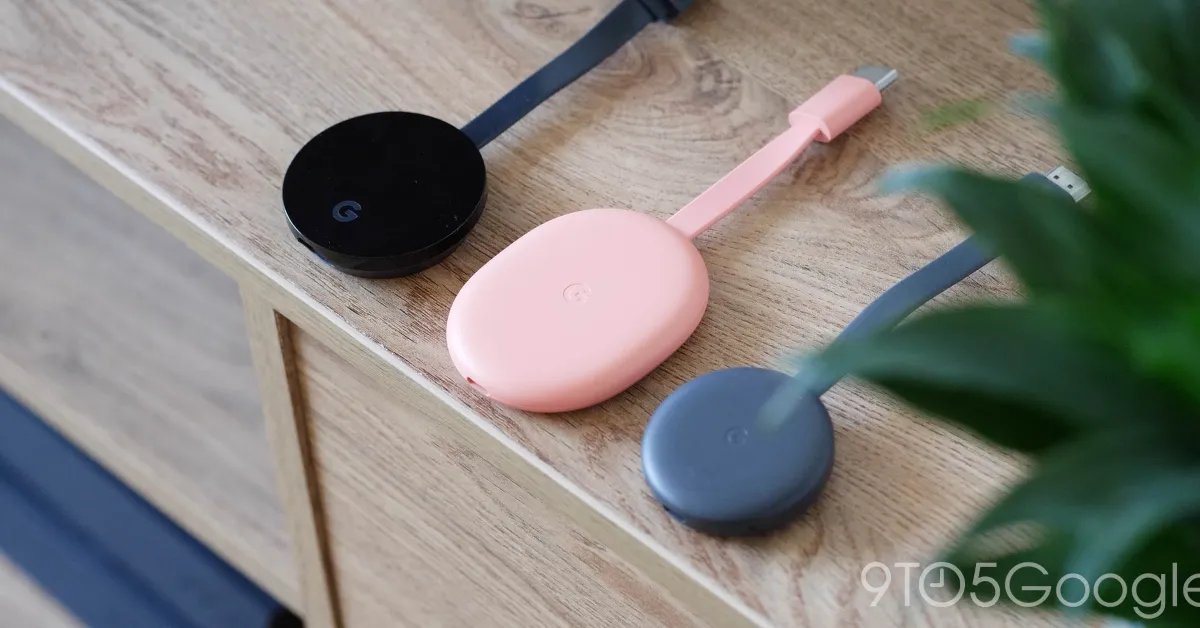
If you’ve spent the last month wondering why Netflix suddenly decided to end support for Google Cast on its service, you’re not alone. Now, a new report suggests the reasoning behind the move might be the most obvious.
As reported by Janko Roettgers of Lowpass (published via The Verge), casting popularity has slowed down since its heyday in the mid-2010s. While Google managed to sell more than 100 million Chromecast-branded devices before unveiling its replacement TV Streamer in 2024, one streaming service operator told Roettgers at CES that only 10 percent of Android users are actually casting anymore — and again, that’s specifically on Android.
The reasoning is exactly what you’d expect. Streaming is the mainstream way most people watch their entertainment now, and both smart TVs and set-top boxes have improved the UI and overall experience enough to make casting obsolete. Especially when you factor in the communal, borderline-universal practice of stumbling through countless streaming apps to find something to watch, it makes sense that the more restricted, individual casting method fall by the wayside.
Now, obviously, Netflix continues to actually explain why Google Cast support suddenly ended — “nobody was using it” appears to be the leading theory, but it’s still just a theory. Roettgers also lays out a handful of other possibilities, including a grander focus by Netflix on utilizing smartphones in more interactive ways, such as within Jackbox-style party games where your phone is the controller. With Netflix available on practically any device with an internet connection (give or take modern Nintendo products), why keep Cast around just for the sake of a small slice of legacy users?
Roettgers also dives into the potential future of casting, including efforts from the Connectivity Standards Alliance to spin up an open protocol called “Matter Casting.” Unfortunately, it’s not going great, with device support limited outside of a handful of Amazon products, while even some A/V fans find themselves confused over the standard Matter branding appearing on TVs capable of interacting with your smart home. That’s not the same as Matter Casting, but it’s pretty hard to tell that from the box.
Casting might not be gone forever, but it’s certainly a diminished feature. If you’re still a heavy Cast user, you might want to start looking at alternatives for catching up on streaming entertainment. Netflix might’ve killed Cast support during the same time period that Apple added it to Apple TV, but in some ways, the writing feels on the wall.
FTC: We use income earning auto affiliate links. More.
