

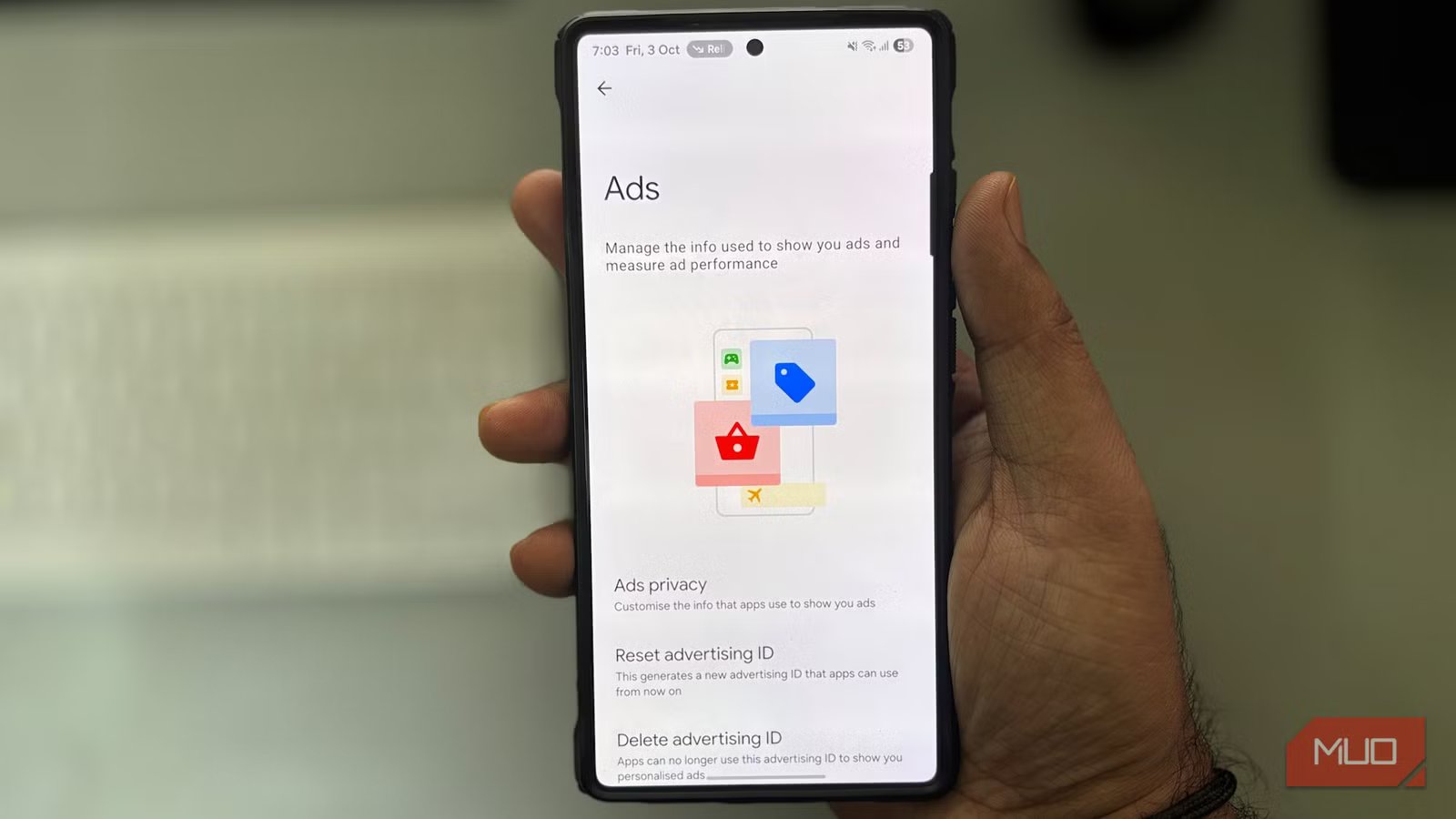
Most folks have probably noticed that when they mention something out loud, like a holiday or a random gadget, its ads suddenly start appearing everywhere. It feels as if your phone is listening to you. However, there’s no strong evidence that your smartphone is secretly recording your conversations for advertising purposes. Now, you must be wondering if your phone isn’t listening, then how come these ads are so accurate every time? Well, that’s because advertisers don’t need your microphone to show up ads. They already have something more powerful: your data. That’s how advertisers always know exactly what you’re looking for.
Your search and browsing history tells a story
Every click and search builds your profile
No attribution required; taken by author James Bruce
Every search you make, every website you visit, and how long you linger on a page builds a behavioral profile. That’s because of the embedded trackers in websites and emails. Advertisers and ad networks quietly track your actions, such as your search queries, how long you stay on a page, and even how you click or scroll. These actions build a detailed picture of your intent and interests. And advertisers analyze this data to predict what you’re likely to want next.
If you follow fitness-related content and read articles about running events, advertisers may see you as someone likely to purchase sports gear, even if you never searched for it directly. Modern advertising technology can connect patterns across your activity to anticipate your future behavior, and that too, with surprising accuracy.
Even Incognito mode won’t help. Advertisers can still create a unique digital fingerprint based on your IP address and browser settings.
How apps collect data behind the scenes
A lot happens in the background
Most of the data for targeted ads is collected quietly in the background. This happens with the help of tools you’ve agreed to without thinking twice. When you download an app, it asks for your permissions, like location, contacts, storage, and more. These can reveal a lot about your daily life, so make sure to review your app permissions regularly. Websites also use cookies and trackers to get an idea of what you do online. That’s how you look at something at once and see related ads later. Apps also track what you click, how you scroll, and how long you stay on a page.
On top of that, your phone’s GPS and Wi-Fi data provide a digital footprint. When your phone regularly shares location data, it allows advertisers to show you ads based on where you are or what places you’ve visited. None of this data stays in a single app. Cross-app tracking tools and advertising IDs allow companies to track your activity across different apps and devices. This helps them build a single, growing profile that gets more detailed over time. That’s how you see ads on your phone for a product that you searched for on your laptop.
One of the biggest data collectors
Social media platforms can track your likes, shares, and comments; who you follow; who you interact with and how often; and what you pause on while scrolling. Every time you interact (even for a second) with Facebook, Instagram, or TikTok, you give a data point. They can track how long you look at a post, rewatch a reel, or share a post in a DM.
If you pause on multiple travel videos or like some baby product posts, it can reveal your interests. This is enough to trigger targeted ads. The algorithm may tag you as ‘interested in travel’ or ‘interested in baby products’, even if you’ve never searched for them. This goes even further. Platforms can guess things like your personality, interests, and even your mood, to target you more precisely. All of this is based on how to interact with social media content.
Your purchasing history and data brokers
The hidden network
We all have our shopping habits. For example, some of us might be into impulsive buying, while others stick to the same brand. We might feel these personal choices, but they are part of a much larger system. Behind the scenes, data brokers collect and sell information about you, including your purchase history, income estimates, your lifestyle, and general interests. This information is compiled from public records and commercial sources, such as your credit card purchases and loyalty card data.
Data brokers combine this information and create a detailed overview of your life. Then, they group you into categories like “budget shopper,” “frequent traveler,” or “likely a new parent.” After all, advertisers don’t need to know your name. Rather, they just need to know your type and interests. Once you’ve been grouped, you start to see ads that feel less random and more personal.
The power of predictive AI
When AI predicts what you want before you do
Tashreef Shareef / MakeUseOfCredit: Tashreef Shareef / MakeUseOf
This is where ads begin to feel as if they are in complete sync with your thoughts. Modern advertising uses sophisticated AI algorithms to predict what you might want next, and not just what you’ve searched for. They can guess what you might buy next and spot your needs even before you realize them. They also find patterns among millions of other users with similar interests and habits, like yours.
For instance, if a person with similar behavior to yours often buys a certain product, you’re also likely to see ads for it, no matter if you’ve never looked for it. That’s why ads can feel as if they are always listening to your thoughts. In reality, they are predicting based on signals you don’t realize you’ve given them. With advanced AI, they are getting better at doing so.
Related
Change These Settings to Stop New Android Apps From Spying on You
Freshly-installed apps can do a lot more than you’d like, until you rein them in.
How to improve your privacy
The harsh reality is that you might not be able to fully escape data collection. Fortunately, there are some ways to significantly reduce it. You can start by reviewing your app permissions. You should allow access to only what’s truly needed by a genuine app. Second, you can turn off personalized ads and delete your Advertising ID to reduce creepy targeted ads. The next thing you can do is clear or block cookies to maintain your online privacy. You can also switch to privacy-focused browsers. They block third-party trackers to prevent data collection.
I would also recommend taking a closer look at your social media settings. You must restrict data sharing and ad personalization. These are some effective ways to regain control and limit how much of your information is collected.
